Pressure Gauges
Source high-quality pressure gauges from vetted manufacturers and wholesale suppliers across Asia. Designed for importers, industrial distributors, and brands requiring reliable OEM and ODM production, our network delivers precision instruments built to your exact specifications.
Sourcing industrial and commercial pressure gauges at scale requires balancing unit cost with non-negotiable accuracy. The primary challenge lies in verifying a manufacturer's calibration consistency and material integrity over large production runs. A gauge that fails in the field compromises safety and damages your brand reputation, making supplier vetting and stringent technical specification critical.
Specifying Pressure Gauges for Bulk Production
When ordering pressure gauges in volume, precision in your specifications dictates the quality of the final product. Suppliers need exact details on the wetted parts, case materials, and environmental requirements to quote accurately.
Key specifications to define include:
- Sensing Element & Wetted Parts: Bourdon tube material is the most critical choice. Options typically include brass, phosphor bronze, and stainless steel (304 or 316L).
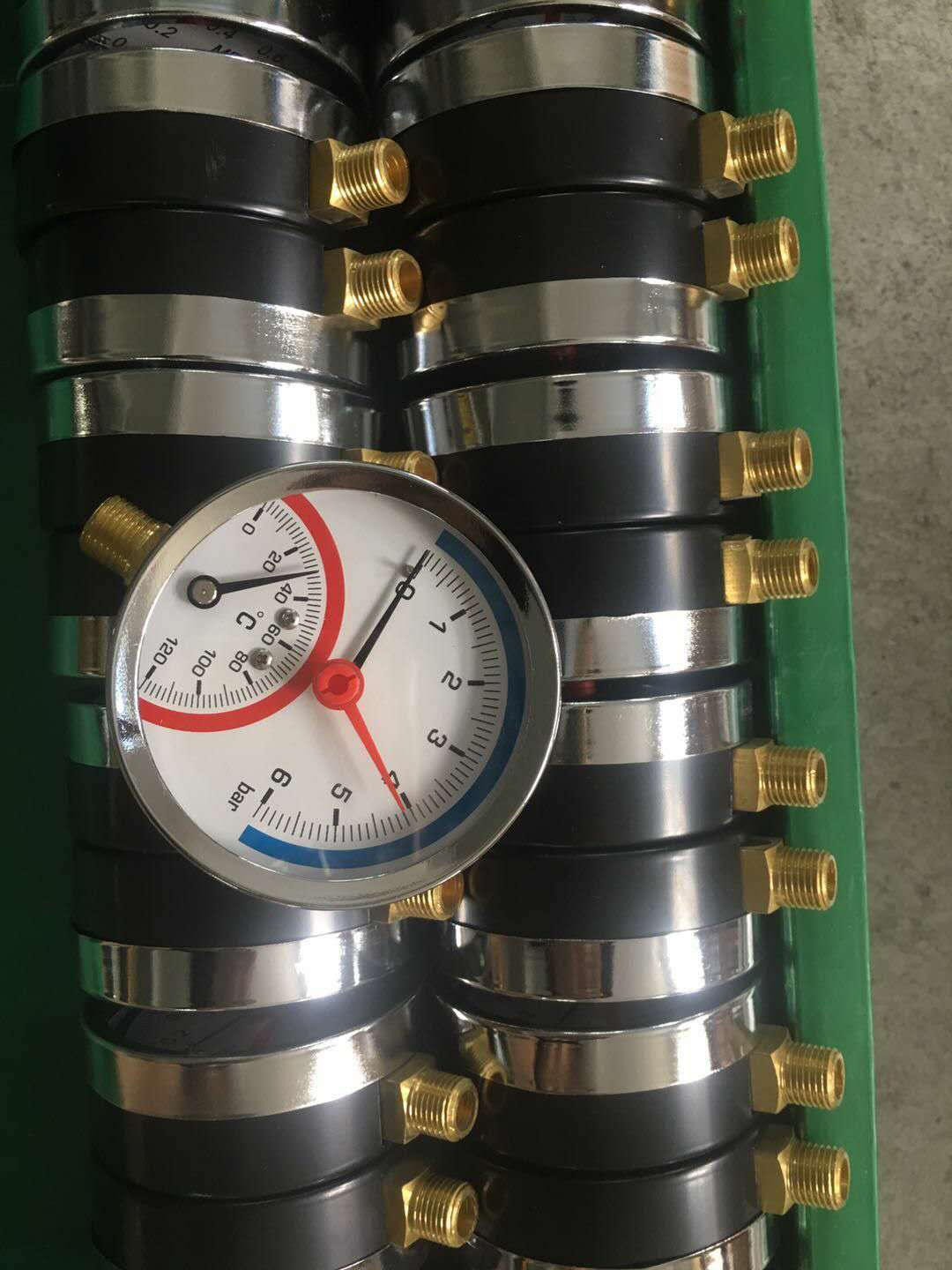
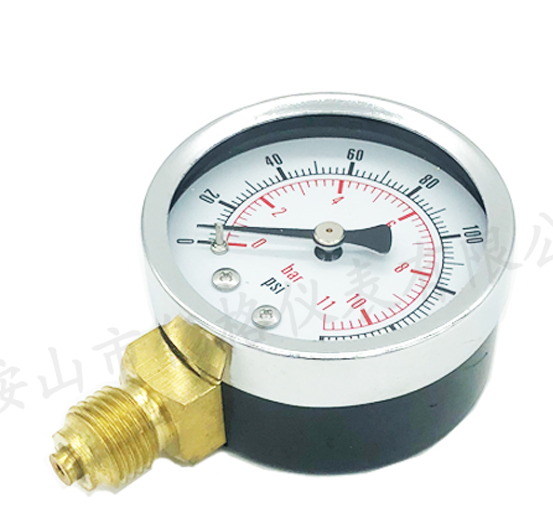
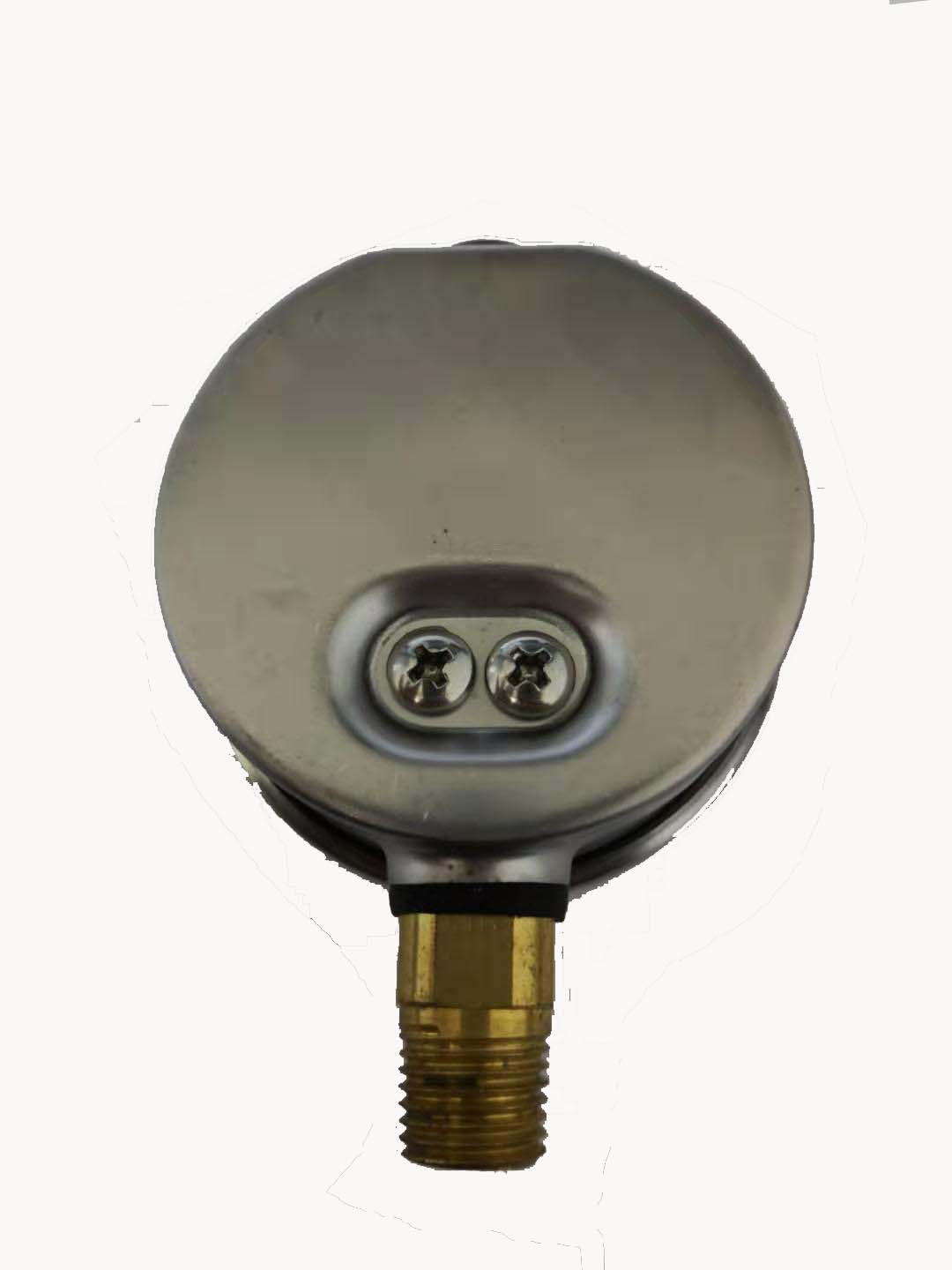
- Dial Size and Case Material: Standard sizes range from 40mm to 150mm. Cases are commonly black steel, ABS plastic, or stainless steel, depending on the required ingress protection (IP rating).
- Process Connection: Specify the thread type (e.g., NPT, BSP, G) and location (bottom mount or center back mount).
- Accuracy Class: Industrial gauges typically require an accuracy of 1.0% or 1.6% of full scale, while utility gauges may tolerate 2.5%.
| Material Combination | Typical Application | Cost Profile |
|---|---|---|
| Brass Internals / Steel Case | HVAC, pneumatics, general utility | Low |
| Phosphor Bronze / Brass | Water systems, non-corrosive liquids | Medium |
| All Stainless Steel (316L) | Corrosive media, chemical processing | High |
Need help matching specifications to a reliable manufacturer? Let us streamline your sourcing process.
Talk to our teamManufacturing Quality and Factory Floor Realities
The difference between a premium gauge and a failing one often comes down to the welding and calibration processes on the factory floor. The Bourdon tube must be flawlessly brazed or TIG-welded to the socket. Poor welding leads to micro-leaks or catastrophic failure under pressure spikes.
Furthermore, liquid-filled gauges (using glycerin or silicone to dampen vibration) must be perfectly sealed. If a factory lacks proper filling and sealing equipment, the gauges will leak during transit or operation. Evaluating a supplier's production line through rigorous Factory Audits is essential to confirm they have automated calibration rigs and proper leak-testing chambers.
Critical Pre-Shipment Inspection Checks
- Calibration verification across 5 points (0, 25%, 50%, 75%, 100% of scale)
- Overpressure testing to 130 percent of maximum scale
- Leak detection for liquid-filled cases (vacuum or helium testing)
- Thread gauge inspection for process connections
- Hysteresis testing to ensure the pointer returns exactly to zero
To prevent defective batches from leaving the factory, implementing strict Quality Control & Inspection protocols is non-negotiable.
Pricing, MOQs, and Lead Times
Pricing in the pressure gauge market is highly dependent on raw material costs (copper and steel) and the complexity of the assembly. Standard dry utility gauges are manufactured in massive volumes, driving down unit costs but requiring higher Minimum Order Quantities (MOQs). Conversely, specialized all-stainless or high-precision gauges have lower MOQs but higher unit costs.
If you are developing a proprietary brand, engaging a supplier for OEM/ODM Services allows for custom dial faces, specific color bands, and branded packaging. Keep in mind that custom printed dials usually require a one-time tooling or plate fee and may push the MOQ toward the higher end of the spectrum.
Optimize your procurement strategy and negotiate better terms with vetted pressure gauge manufacturers.
Get a free consultationFrequently Asked Questions
Successfully importing pressure gauges requires moving beyond simple price comparisons. By focusing on the supplier's testing infrastructure, specifying exact wetted materials, and enforcing strict pre-shipment calibration checks, you can secure a reliable supply chain for your instrumentation needs.
Get Sourcing Help for Pressure Gauges
Tell us your requirements and our experts will connect you with verified manufacturers.