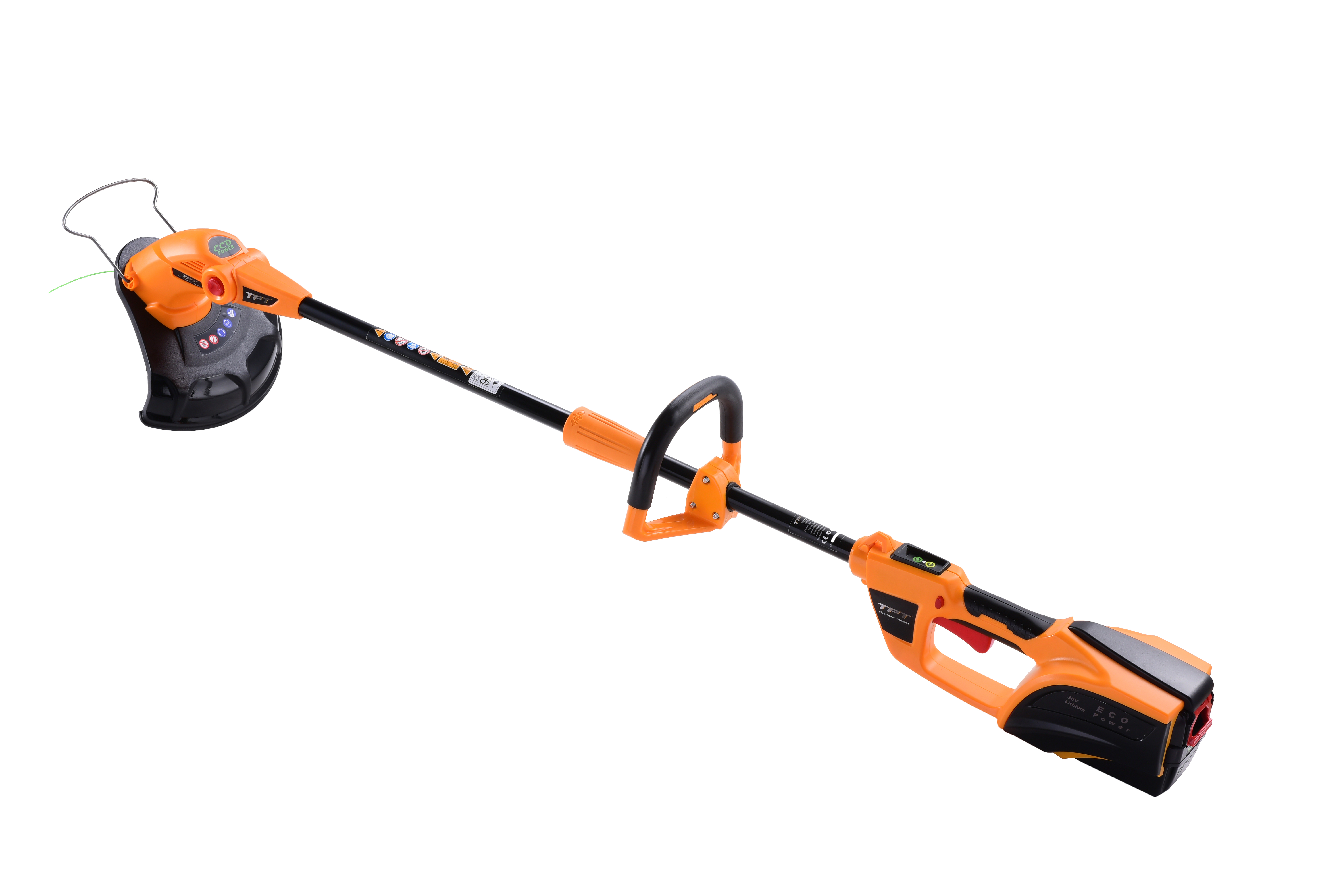
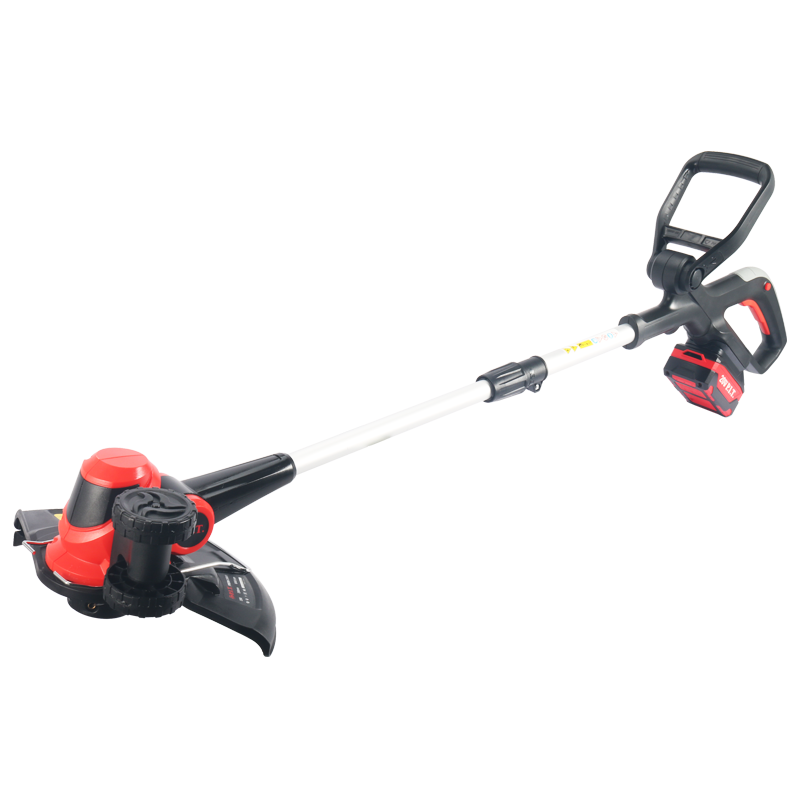
Power String Trimmers
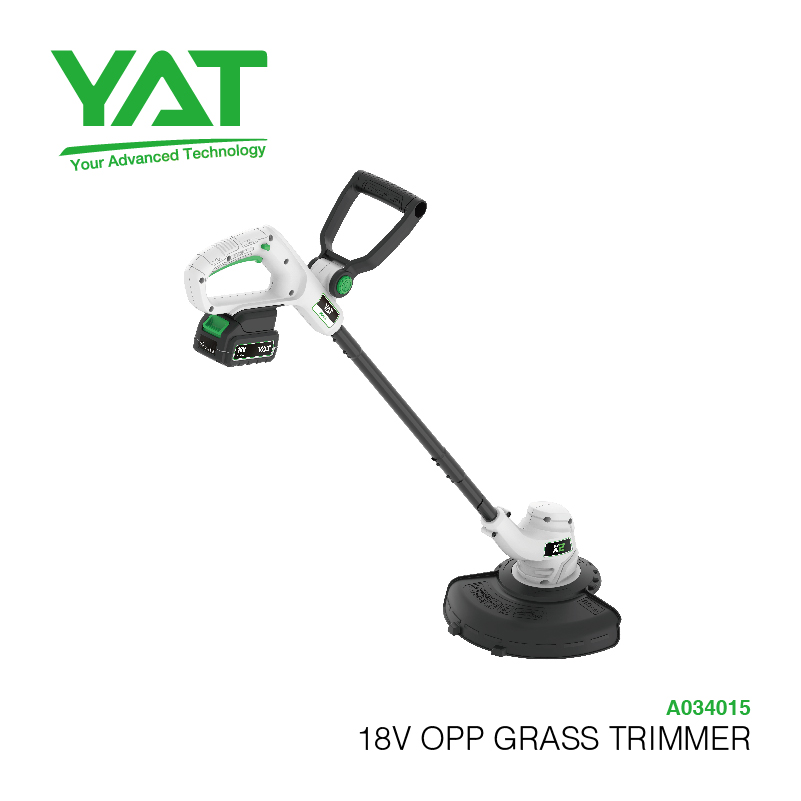
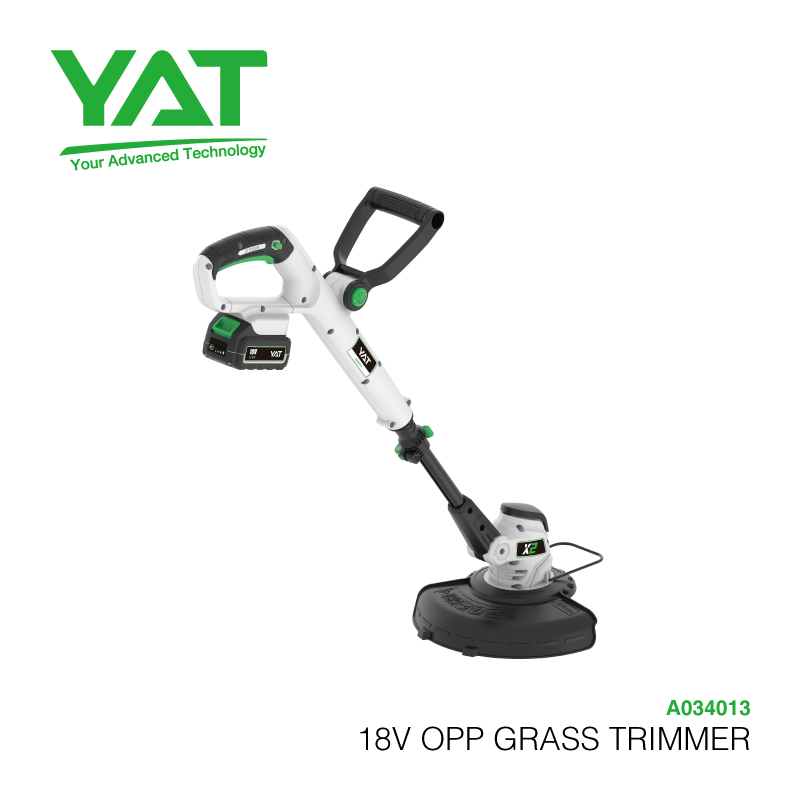
Source wholesale Power String Trimmers directly from vetted manufacturers and suppliers. Engineered for importers, hardware distributors, and garden tool brands seeking reliable OEM and private-label production, our network delivers high-performance gas, electric, and cordless trimmers built for durability and market compliance.
Sourcing power string trimmers at scale requires a strict balance between motor efficiency, thermal management, and user ergonomics. Whether you are importing heavy-duty gas trimmers for commercial landscaping or developing a proprietary 40V lithium-ion line for the residential market, the margin for error in manufacturing is virtually zero. Supplier selection dictates everything from drive shaft longevity to regulatory compliance, making rigorous factory vetting essential.
Core Specifications and Drive Systems
The heart of any string trimmer is its power plant. When negotiating specifications with a manufacturer, the drive system dictates the target market, tooling costs, and component sourcing strategy.
| Power Source | Typical Application | Key Sourcing Considerations |
|---|---|---|
| Brushless DC (BLDC) Battery | Premium Residential / Light Commercial | Requires high-discharge Li-ion cells, smart BMS, and sealed motor housings. |
| Brushed DC Battery | Entry-Level Residential | Lower cost, but requires strict QA on carbon brush quality and commutator wear. |
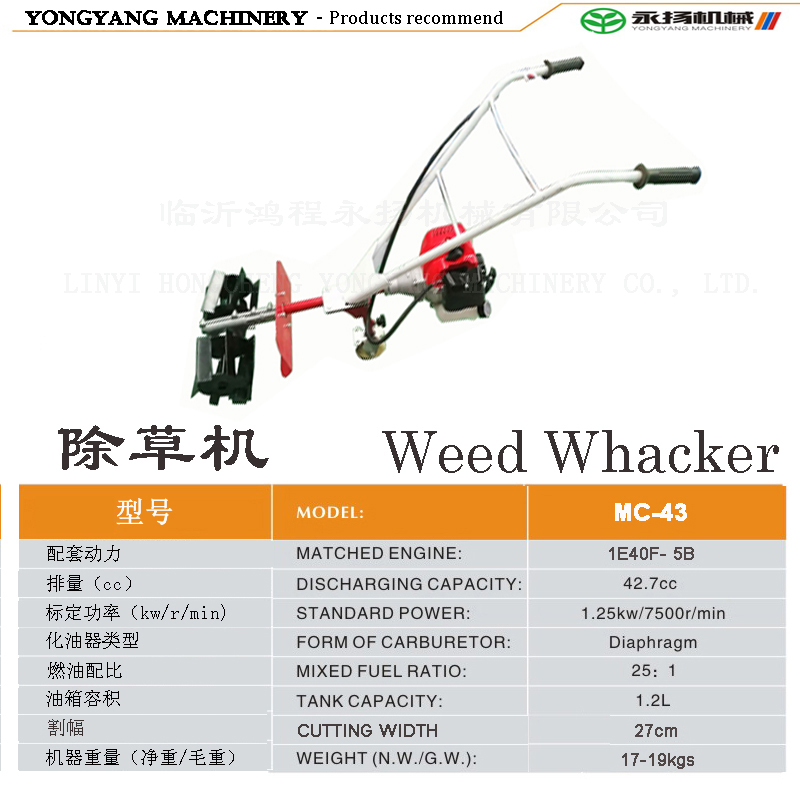
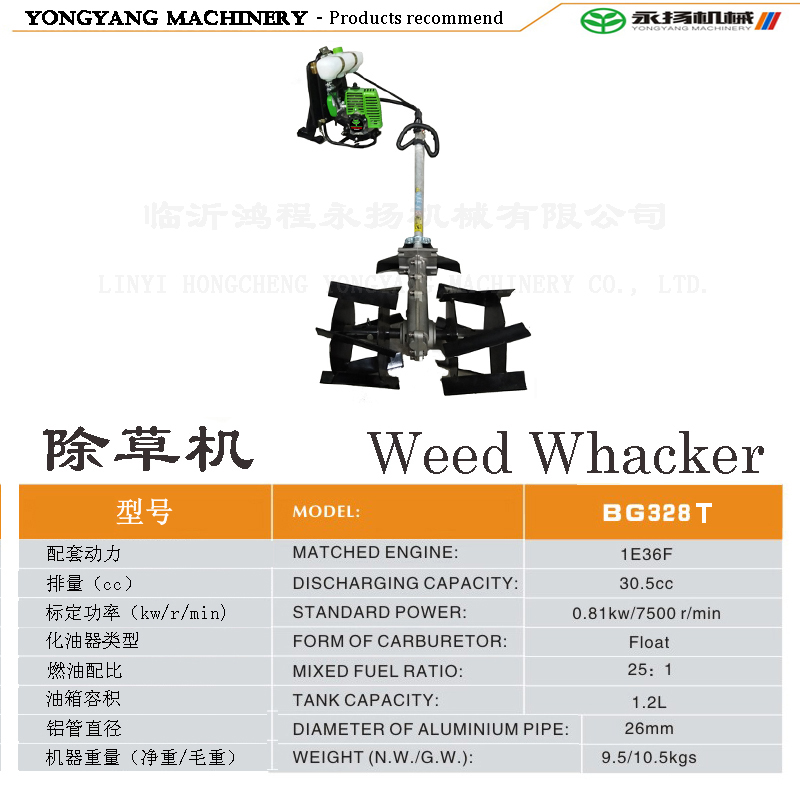
| 2-Stroke / 4-Stroke Gas | Heavy Commercial Landscaping | Demands precision-machined carburetors and strict EPA/CARB emissions compliance. |
| Corded Electric (AC) | Small Urban Gardens | Focus on stator winding insulation and cord strain relief durability. |
For battery-operated models, standardizing the battery platform (e.g., 20V, 40V, or 80V) across your broader garden tool lineup is critical. If you are building a proprietary battery system, partnering with a factory that offers comprehensive OEM/ODM Services ensures that the battery management system (BMS) and motor controller are perfectly matched to prevent thermal runaway under heavy loads.
Developing a custom garden tool line? Let us help you match with a manufacturer capable of advanced BMS integration and custom tooling.
Talk to our teamManufacturing Tolerances and Quality Control
Quality in power string trimmers is won or lost in the mechanical transfer of power from the motor to the cutting head. High vibration levels not only cause user fatigue but also lead to premature failure of the drive shaft and housing components.
When auditing a factory's assembly line, pay close attention to the following critical failure points:
Critical Quality Control Checkpoints
- Drive Shaft Alignment: Ensure solid steel or multi-spline shafts have adequate bushing support to prevent whipping at high RPMs.
- Gear Head Durability: Inspect the bevel gear material and the quality of the sealed lubrication; poor sealing leads to rapid gear stripping.
- Vibration Dampening: Verify the durometer of the rubber isolators used between the motor/engine and the handle assembly.
- Spool Mechanism: Test the bump-feed or auto-feed tolerances; flash from cheap plastic molding often causes line jamming.
- Thermal Management: For BLDC motors, check the heat sink potting and airflow design to ensure continuous operation without overheating.
Relying solely on final inspection is risky for motorized tools. Implementing robust Quality Control & Inspection protocols, including in-line functional testing under load, is the only way to catch vibration and thermal issues before the units are packed.
Regulatory Compliance and Certification
Importing string trimmers requires navigating a complex web of regional regulations. Customs authorities frequently seize non-compliant motorized and battery-operated tools.
- Gas-Powered Trimmers: Must meet stringent emissions standards. In the US, this means EPA Phase III and California Air Resources Board (CARB) certifications. Ensure the manufacturer holds valid, current certificates for the specific engine family, not just a generic factory ISO certificate.
- Battery and Electric Trimmers: Require electrical safety certifications such as UL 82 (US) or EN 60335-1 / EN 50636-2-91 (Europe). Furthermore, lithium-ion battery packs must pass UN 38.3 testing for safe ocean and air transport.
- Noise and Vibration: European markets strictly enforce the Outdoor Noise Directive (2000/14/EC) and specific hand-arm vibration limits.
Handling these requirements internally can delay product launches. Utilizing professional Compliance & Testing services ensures your products meet all destination market legalities before mass production begins.
Pricing, MOQs, and Production Lead Times
Understanding the baseline economics of string trimmer manufacturing helps you negotiate effectively and avoid suppliers cutting corners on internal components to meet unrealistic target prices.
Keep in mind that for cordless models, the battery pack and charger often account for 40 to 60 percent of the total BOM (Bill of Materials) cost. Sourcing "bare tools" (tool only, no battery) is a common strategy to lower MOQs and unit costs if you already have an established battery ecosystem.
Need realistic pricing and supplier options for your next order? We can source and negotiate with top-tier garden tool manufacturers on your behalf.
Get a free consultationFrequently Asked Questions
Successfully sourcing power string trimmers requires looking past the external plastic housing and strictly managing the internal mechanics, electronics, and compliance documentation. By partnering with vetted factories and enforcing rigorous quality standards, you can build a reliable product line that minimizes returns and maximizes brand trust.
Get Sourcing Help for Power String Trimmers
Tell us your requirements and our experts will connect you with verified manufacturers.