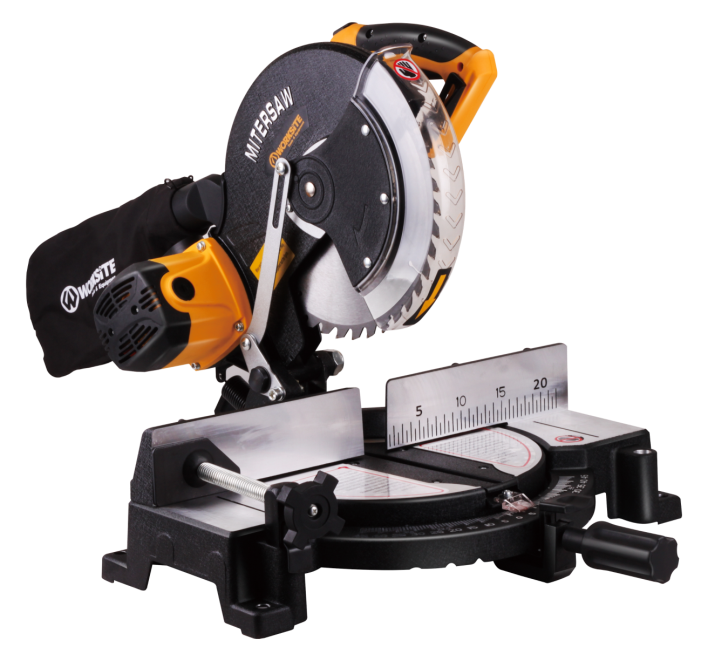
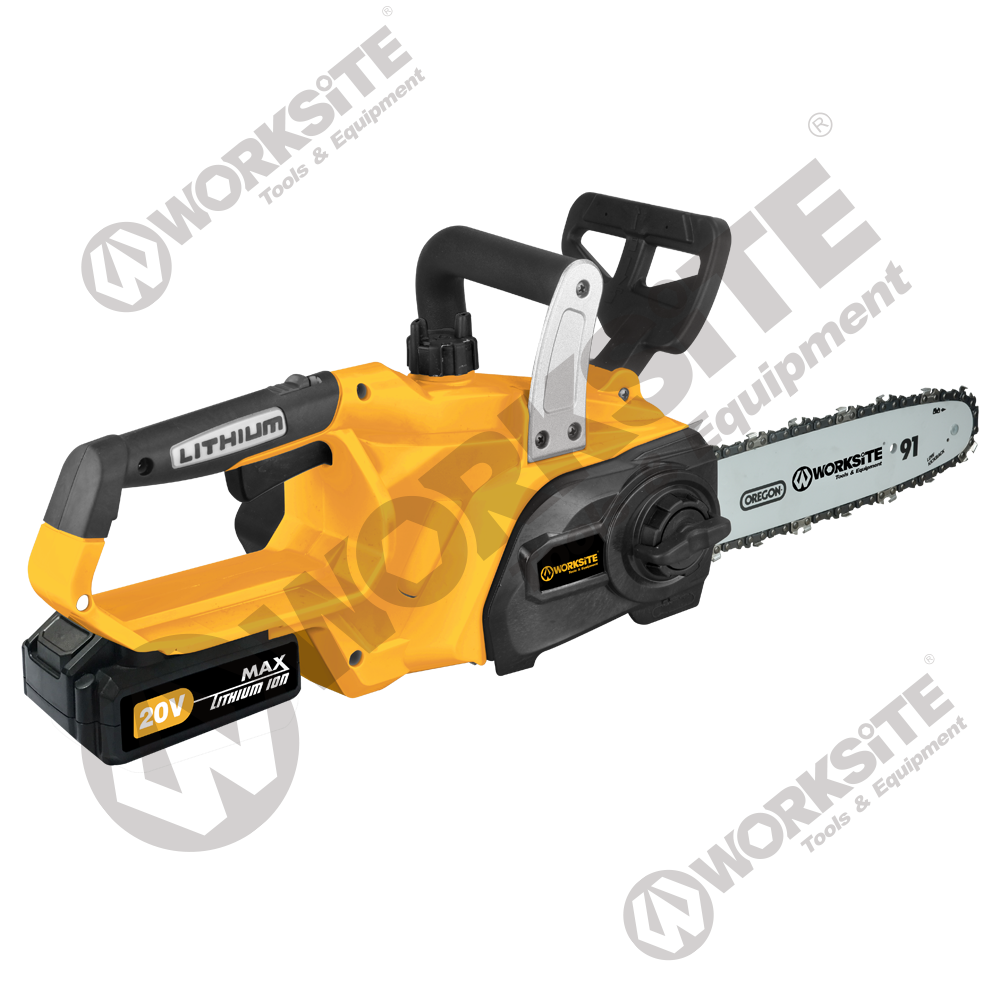
Power Saws
Source professional-grade power saws directly from vetted manufacturers and suppliers. Designed for importers, wholesalers, distributors, and hardware brands seeking reliable OEM and private-label production, our network delivers high-performance cutting tools built for volume distribution and demanding industrial applications.
Sourcing power saws in volume requires balancing aggressive price points with uncompromising safety and durability standards. Whether you are importing corded industrial models or expanding a cordless 20V lineup, the core sourcing challenges remain the same: verifying motor longevity, ensuring gear assembly precision, and maintaining strict compliance with international electrical safety standards. A saw that looks robust on a factory showroom floor can quickly fail in the field if the internal components are compromised to cut costs.
Core Specifications: Motors and Drivetrains
The heart of any power saw is its motor and gearbox. When negotiating specifications with a manufacturer, vague requests for "high quality" will often result in consumer-grade internals. You must explicitly define the materials and tolerances for the critical wear components.
| Component | Consumer/DIY Grade | Professional Grade |
|---|---|---|
| Motor Winding | Copper-clad aluminum (CCA) or low-purity copper | 100% pure copper, heavy resin coating |
| Armature Balancing | Standard machine balancing | Precision dynamic balancing (low vibration) |
| Gear Material | Powder metallurgy (sintered) | Machined, heat-treated alloy steel |
| Housing | Standard ABS plastic | PA6-GF30 (Nylon with 30% glass fiber) |
Brushless vs. Brushed Motors
For cordless power saws, the shift toward brushless (BLDC) motors is standard for professional markets. Brushless motors offer higher efficiency, longer runtimes, and better thermal management. However, they require sophisticated electronic control boards (PCBs). When sourcing brushless models, the quality of the MOSFETs and the potting (waterproofing/dustproofing) of the control board are just as critical as the motor itself.
Need help verifying factory capabilities for professional-grade power tools? Let our sourcing engineers review your specifications.
Talk to our teamManufacturing Vulnerabilities and Quality Control
Power saws operate in highly abrasive environments. Wood dust, metal shavings, and constant vibration expose manufacturing shortcuts rapidly. When evaluating a supplier, their assembly line and testing protocols tell you more than their sales catalog.
Relying on comprehensive Factory Audits is crucial before committing to a new supplier. You need to confirm that the factory uses automated winding machines to ensure consistent tension, rather than manual winding which leads to hot spots and premature motor failure.
Critical Inspection Points
To prevent defect rates from eating into your margins, implement strict Quality Control & Inspection protocols before shipment.
Pre-Shipment Inspection Checklist for Power Saws
- Dielectric voltage-withstand (hi-pot) testing to ensure electrical insulation integrity.
- No-load run testing (minimum 30 minutes) to monitor heat generation and bearing noise.
- Runout measurement on the arbor/spindle to ensure blade stability and accurate cuts.
- Switch durability testing (simulating thousands of actuations under load).
- Drop testing of the PA6-GF30 housing to verify impact resistance.
Compliance and Market Certification
Power saws are heavily regulated. Importing non-compliant tools can lead to customs seizures, retailer rejection, or severe liability issues.
- North America: Requires UL or CSA certification. The factory must be authorized to apply these marks, and the specific saw model must be listed in the testing database.
- Europe: Requires CE marking, specifically compliance with the Machinery Directive (MD), Electromagnetic Compatibility (EMC), and RoHS.
- Cordless Models: Lithium-ion batteries require UN38.3 certification for freight, plus IEC 62133 for safety.
Do not accept a generic "CE certificate" for the factory; the certificate must match the exact model and specifications you are purchasing.
Pricing Drivers, MOQs, and Lead Times
Cost in power saw manufacturing is directly tied to copper weight, battery cell quality (for cordless), and the precision of the machined gears.
If you are developing a private label, utilizing OEM/ODM Services allows you to customize housing molds, battery interfaces, and performance specs. Custom molds will increase initial lead times by 30 to 45 days and require tooling deposits, but they provide a distinct market advantage over off-the-shelf white-label designs.
Ready to negotiate pricing and secure production capacity for your next power tool order? Connect with our sourcing experts.
Get a free consultationFrequently Asked Questions
Successfully sourcing power saws requires looking past the external plastic housing and strictly controlling the internal metallurgy, winding quality, and electrical safety. By defining rigid specifications and enforcing them through active on-site inspection, buyers can secure tools that perform reliably under demanding conditions.
Get Sourcing Help for Power Saws
Tell us your requirements and our experts will connect you with verified manufacturers.