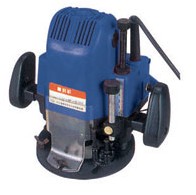
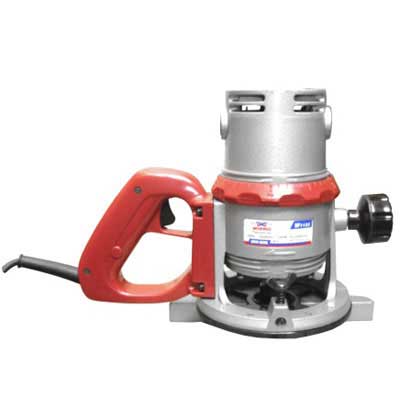
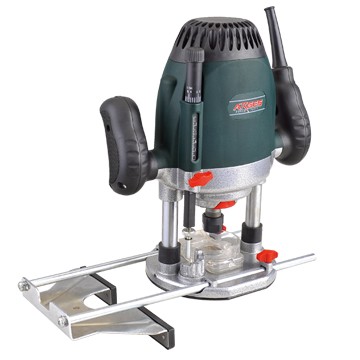
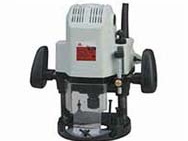
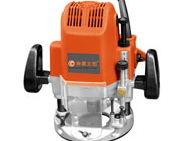
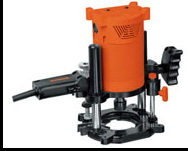
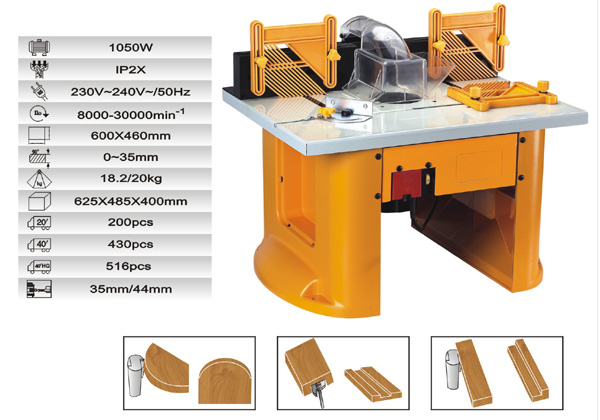
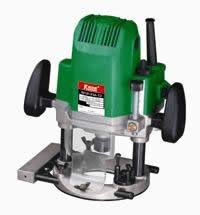
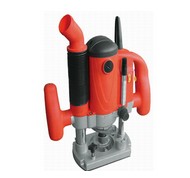
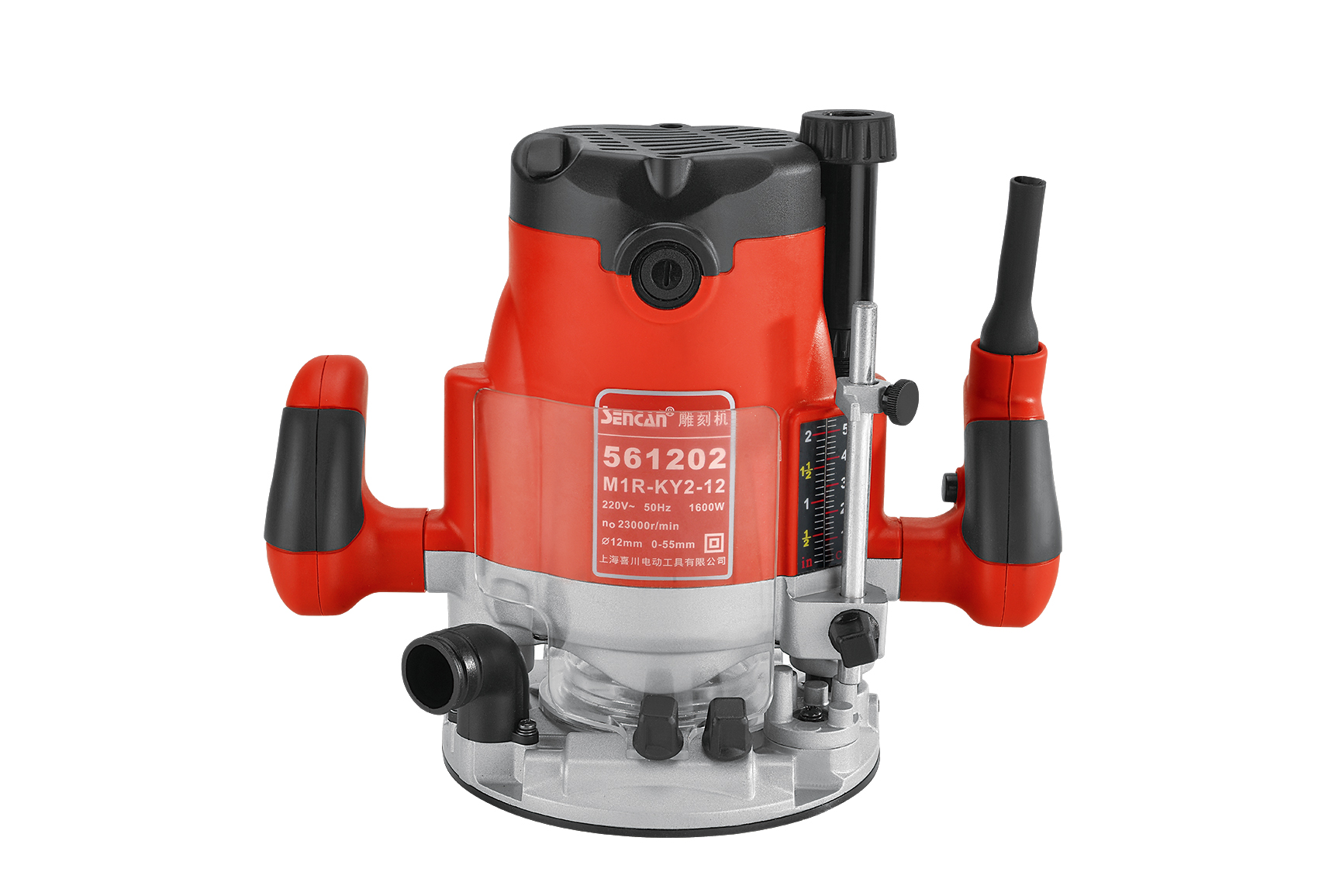
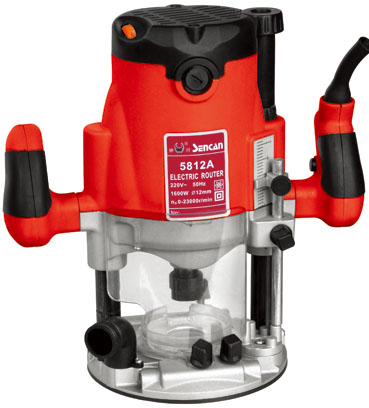
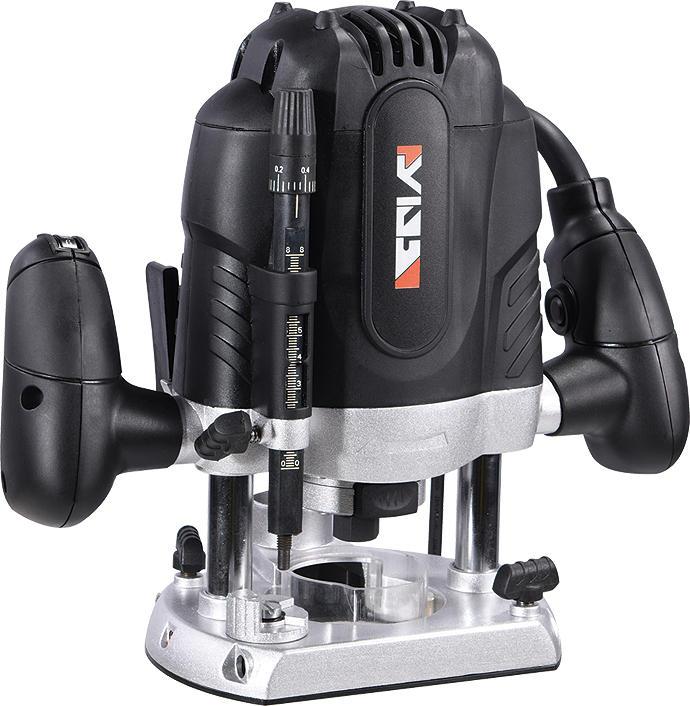
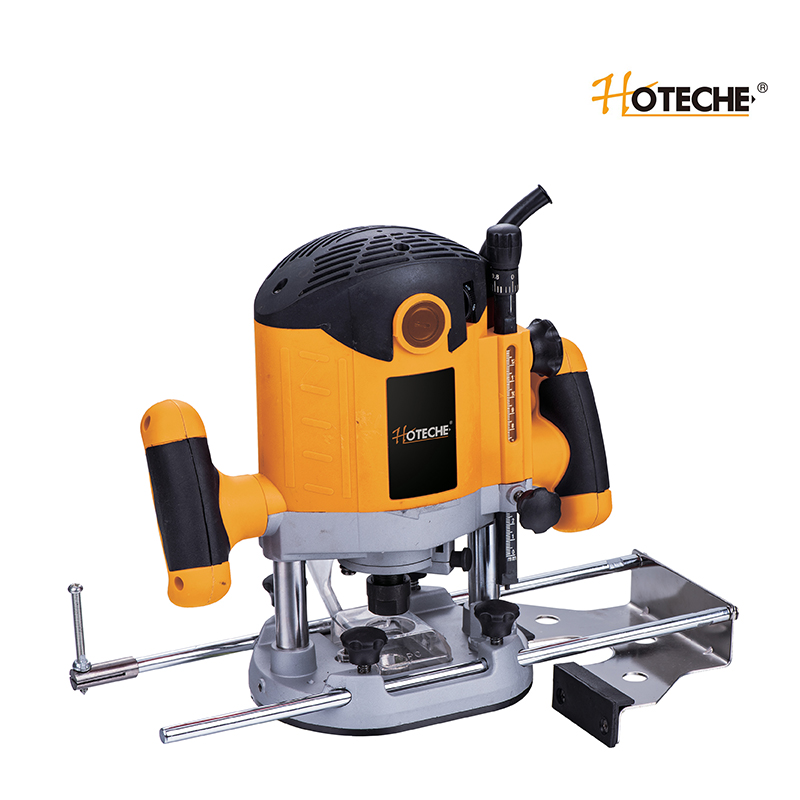
Power Routers
Source high-performance power routers from vetted Chinese manufacturers and suppliers. Designed for importers, wholesalers, hardware distributors, and tool brands seeking reliable bulk purchasing or custom OEM/ODM production. Secure competitive pricing, strict quality control, and scalable supply.
Sourcing power routers at scale requires balancing motor durability, machining precision, and strict electrical compliance. For B2B buyers, the primary challenge lies in identifying assembly facilities that don't cut corners on copper winding purity, bearing quality, or spindle concentricity. A visually appealing tool housing can easily mask an unbalanced armature that will vibrate excessively and fail prematurely on the job site.
Key Specifications for Bulk and Custom Orders
When negotiating with manufacturers or setting up OEM/ODM Services, precision in your specification sheet is critical. Power routers are high-torque, high-RPM tools, and ambiguous requirements will result in component downgrades.
- Motor Architecture: The market is split between traditional brushed motors and high-efficiency brushless DC (BLDC) motors. Brushless models offer superior thermal management and longer lifespans but require more sophisticated electronic control units (ECUs).
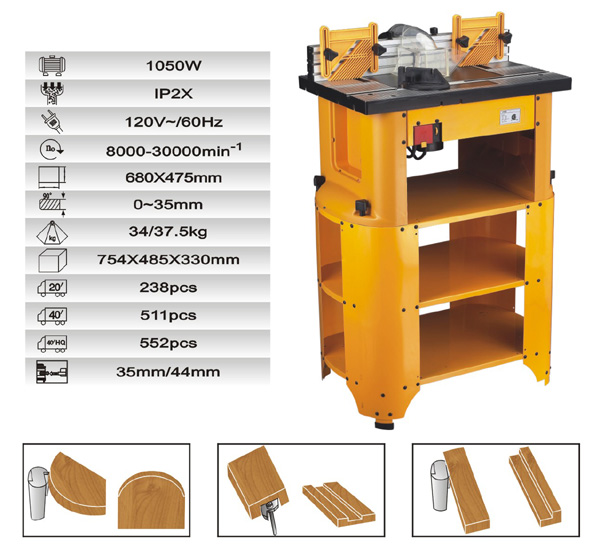
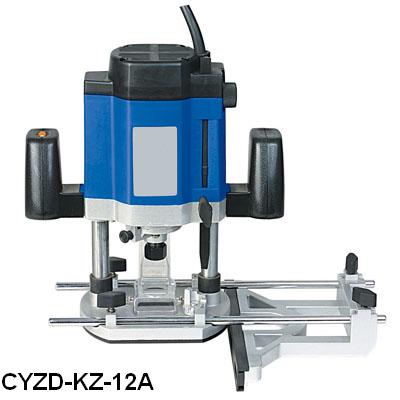
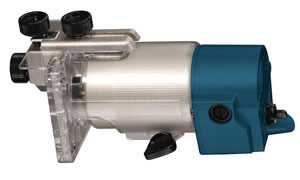
- Power Ratings: Typical ranges span from compact 800W (approx. 1.25 HP) trim routers to heavy-duty 2200W (approx. 3.25 HP) plunge routers. Ensure the factory tests under continuous load, not just peak instantaneous power.
- Collet Capacities: Regional standards dictate collet sizes. North American markets require 1/4-inch and 1/2-inch collets, while European and Asian markets standardise on 6mm, 8mm, and 12mm.
- Speed Control: Variable speed dials with electronic load compensation (constant response circuitry) are mandatory for mid-tier and premium professional models.
| Motor Technology | Thermal Efficiency | Maintenance | Cost Profile |
|---|---|---|---|
| Brushed (Universal) | Moderate | Requires carbon brush replacement | Baseline standard |
| Brushless (BLDC) | High (runs cooler) | Maintenance-free | Premium (adds 30-50% to unit cost) |
Manufacturing Vulnerabilities and Quality Control
The gap between a professional-grade router and a consumer-grade disposable tool is often defined by the internal components that buyers cannot see. Factories competing solely on price will substitute high-grade NSK or C&U bearings with unbranded alternatives, leading to unacceptable spindle runout (wobble).
Need to verify a factory's motor assembly and balancing lines before placing an order?
Talk to our teamTo mitigate these risks, implement strict Quality Control & Inspection protocols focused on the following critical areas:
Critical Inspection Points for Power Routers
- Armature Balancing: Verify dynamic balancing to prevent high-RPM vibration.
- Spindle Runout: Measure concentricity; professional models should maintain runout under 0.05mm.
- Die-Cast Aluminum Bases: Check for porosity in the casting and ensure plunge columns are perfectly parallel.
- Electronic Speed Control (ESC): Test constant-speed circuitry under simulated cutting loads.
- Heat Dissipation: Run continuous load tests to ensure housing temperatures remain within safe operating limits.
Global Compliance and Safety Standards
Power tools face stringent regulatory hurdles. Do not rely on a supplier's generic assurance of compliance. Electrical safety and electromagnetic compatibility must be verified through accredited third-party laboratories.
Document Verification
Always verify the validity of CE (Machinery Directive, LVD, EMC) or UL/CSA certificates. Many factories share test reports from older models or sister companies. Ensure the certificate matches your exact model and component bill of materials (BOM).
If you are importing into regulated markets, integrating Compliance & Testing into your sourcing timeline is non-negotiable. Missing or invalid certifications can result in customs seizures or severe liability issues.
Pricing Drivers, MOQs, and Lead Times
Unit costs for power routers fluctuate based on copper prices (for motor windings), aluminum costs (for bases and housings), and the complexity of the electronic controls.
Custom tooling for bespoke housing designs (ODM) will increase lead times by 30 to 45 days for mold creation and validation, and require higher MOQs to amortize the tooling costs.
Struggling to negotiate realistic MOQs or secure transparent pricing from tool manufacturers?
Get a free consultationFrequently Asked Questions
Successfully sourcing power routers requires deep visibility into the manufacturer's supply chain and rigorous oversight of their assembly processes. By defining strict technical specifications and maintaining continuous quality control, buyers can secure professional-grade tools that build brand reputation and deliver reliable margins.
Get Sourcing Help for Power Routers
Tell us your requirements and our experts will connect you with verified manufacturers.