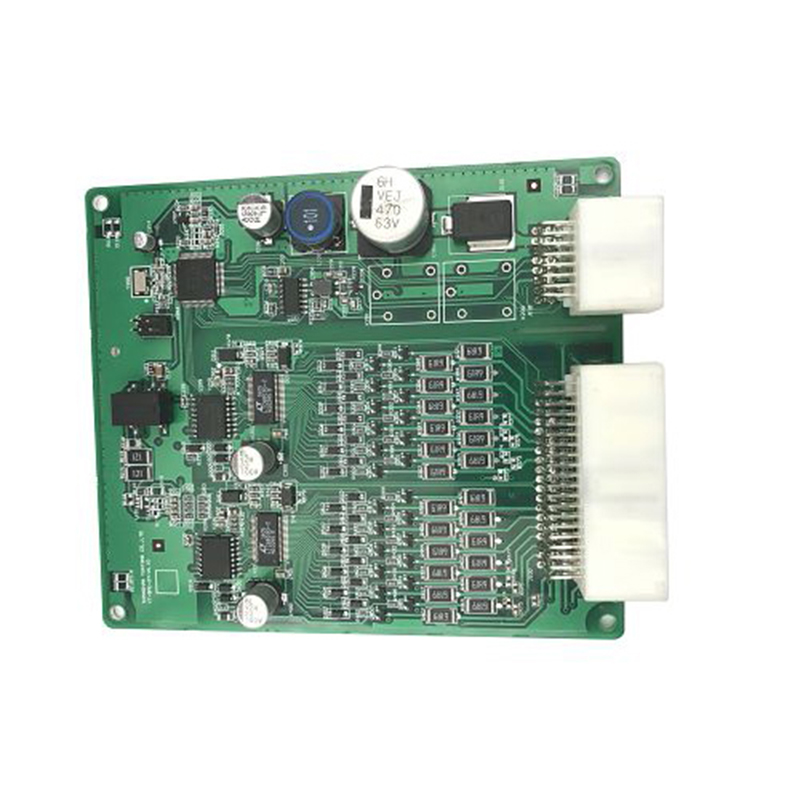
Power Management ICs (PMIC)
Source high-performance Power Management ICs (PMIC) directly from vetted manufacturers and authorized wholesale suppliers. Designed for electronics distributors, procurement managers, and OEM brands buying in bulk, this catalog provides reliable power regulation and battery management components at competitive volume pricing.
Sourcing Power Management ICs (PMICs) at scale requires navigating a complex supply chain where counterfeit components, inconsistent batch yields, and thermal performance failures can derail entire hardware production runs. Whether you are securing multi-channel DC-DC converters for consumer electronics or robust battery management systems for industrial applications, establishing a verifiable line to capable semiconductor packaging houses and authorized distributors is critical to protecting your BOM (Bill of Materials).
Critical Specifications for Volume PMIC Procurement
When defining your requirements for bulk purchasing, specifying basic voltage and current is insufficient. Foundries and packaging partners need precise operational tolerances to match you with the correct silicon.
Key PMIC Specifications to Define
- Quiescent Current (Iq): Crucial for battery-powered devices; specify maximum allowable standby current (e.g., under 10 microamps).
- Switching Frequency: Higher frequencies allow for smaller external inductors and capacitors but may introduce EMI challenges.
- Thermal Resistance (Theta-JA): Determines how effectively the IC dissipates heat from the junction to the ambient environment.
- Transient Response: The speed at which the regulator adjusts to sudden load changes without voltage dips or spikes.
- Package Type: Define QFN, BGA, or WLCSP based on your PCB real estate and thermal dissipation requirements.
Struggling to secure consistent allocations for specific PMIC packages? Let our engineering and sourcing teams stabilize your supply chain.
Discuss your sourcing needsManufacturing, Packaging, and Quality Control
While the silicon wafer fabrication is highly automated, the packaging and testing phases are where component reliability is ultimately secured or lost. Defects in wire bonding, flip-chip bumping, or encapsulation lead to premature thermal failure or intermittent power delivery.
To ensure batch consistency, rigorous quality control & inspection protocols must be enforced at the factory level before the components are taped and reeled.
Automated Optical Inspection (AOI)
Verifies the physical integrity of the package, checking for coplanarity issues on QFN leads or BGA solder balls.
X-Ray Inspection
Critical for BGA packaged PMICs to detect internal voids, bridging, or insufficient reflow in the solder bumps.
Burn-In Testing
Subjecting a sample of the ICs to elevated voltages and temperatures to accelerate infant mortality and weed out weak components.
Functional Parametric Testing
Automated test equipment (ATE) verifies that voltage regulation, efficiency, and thermal shutdown features operate within the specified datasheet tolerances.
If you are sourcing directly from Asian packaging houses rather than franchised distributors, conducting comprehensive factory audits is essential to verify their ISO 9001/IATF 16949 certifications and assess their cleanroom standards.
Mitigating Grey Market Risks
The electronic component supply chain is highly susceptible to counterfeit and refurbished ICs, especially during allocation shortages. Grey market PMICs often feature remarked part numbers, mixed date codes, or recovered silicon from e-waste.
Partnering with an experienced product sourcing team ensures your components are traced back to authorized foundries or franchised distributors. Genuine suppliers will readily provide Certificates of Compliance (CoC) and full traceability data for every reel. For highly regulated markets, third-party compliance testing can verify RoHS and REACH adherence.
Typical MOQs, Pricing, and Lead Times
PMIC procurement is heavily dictated by the packaging format. Components are typically sold in full reels, making small-batch purchasing uneconomical.
Pricing is highly elastic based on volume, silicon node, and package complexity. A standard linear regulator (LDO) in an SOT-23 package will cost a fraction of a highly integrated, programmable multi-channel PMIC in a BGA package. Securing favorable pricing requires accurate forecasting and blanket orders to lock in foundry capacity.
Need to negotiate better pricing or secure reliable lead times for your annual PMIC volume? Connect with our component sourcing experts.
Get a free consultationFrequently Asked Questions
Securing reliable Power Management ICs is about more than finding the lowest unit price; it requires rigorous supplier vetting, strict quality enforcement, and strategic supply chain management to ensure your production lines never stall due to component failure or allocation shortages.
Get Sourcing Help for Power Management ICs (PMIC)
Tell us your requirements and our experts will connect you with verified manufacturers.