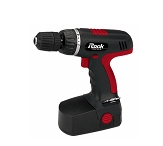
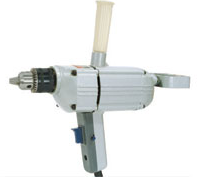
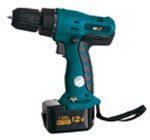
Power Drills
Source commercial-grade power drills directly from vetted manufacturers and wholesale suppliers across Asia. Built for hardware distributors, tool importers, and brands seeking reliable OEM and private-label production, our network delivers consistent torque, battery performance, and market compliance at scale.
Sourcing power drills at volume requires balancing aggressive price points with demanding performance metrics. The primary challenge lies in validating the internal components—specifically the motor architecture, gear train durability, and battery management systems—that determine whether a tool survives a job site or fails under initial load. When buying in bulk, surface aesthetics matter far less than the supply chain of the internal electronics and metallurgy.
Motor Architecture and Gear Train Specifications
The core of any power drill is its motor and transmission. Manufacturers typically offer two distinct pathways: legacy brushed DC motors and modern Brushless DC (BLDC) motors. While brushed motors remain viable for entry-level DIY markets due to low production costs, professional and prosumer lines have almost entirely transitioned to BLDC.
When negotiating with a factory, you must specify the exact motor grade and the material of the planetary gear system. A common tactic to lower unit costs is substituting machined steel gears with powdered metallurgy or even high-density plastics in the secondary gear stages.
| Specification | Consumer / DIY Grade | Professional Grade |
|---|---|---|
| Motor Type | Brushed DC (540/550 series) | Brushless DC (BLDC) with rare-earth magnets |
| Planetary Gears | Powdered metallurgy or partial plastic | 100% Machined hardened steel |
| Chuck Material | Plastic sleeve, 3/8-inch | All-metal ratcheting, 1/2-inch |
| Housing Material | Standard ABS plastic | Glass-fiber reinforced nylon (PA6-GF30) |
Battery Chemistry and PCB Management
For cordless power drills, the battery pack and its Battery Management System (PCB/BMS) often account for 30 to 40 percent of the total unit cost. Factories source lithium-ion cells from various tiers of suppliers. Top-tier tools utilize cells from premium Japanese or South Korean brands, while mid-tier and budget tools rely on domestic Chinese cell manufacturers.
The BMS is critical for safety and longevity. It must protect against over-discharge, over-current, and thermal runaway. A poorly designed PCB will not only degrade battery life but also poses severe safety risks, making rigorous Compliance & Testing non-negotiable for North American and European markets (e.g., UL 2595, CE, IEC 62841).
Need to verify a supplier's motor specifications and battery safety certifications before committing to a bulk order?
Talk to our teamQuality Control on the Factory Floor
Not all assembly lines are created equal. The difference between a reliable supplier and a risky one often comes down to their in-house testing capabilities and quality control protocols. During Factory Audits, it is crucial to verify whether the manufacturer winds their own motors or outsources them, and how they test gear concentricity.
Critical Pre-Shipment Inspection Points
- Chuck Runout (Concentricity): Measure wobble using a dial indicator; acceptable tolerance is typically under 0.3mm.
- Torque Calibration: Verify clutch settings against a digital torque tester to ensure consistency across the batch.
- Switch Lifecycle: Ensure the variable speed trigger and reversing switch have passed accelerated lifecycle testing (minimum 50,000 cycles).
- Thermal Testing: Run the drill at maximum load to monitor heat dissipation and BMS temperature cut-off triggers.
- Drop Testing: Verify the structural integrity of the glass-fiber nylon housing and battery latch mechanism.
Implementing strict Quality Control & Inspection before the goods leave the factory prevents catastrophic defect rates upon arrival.
Buying Mechanics: MOQs, Lead Times, and OEM Pricing
Most power drill manufacturers operate on an OEM/ODM basis. If you are purchasing off-the-shelf designs with your brand colors and logo applied (white-labeling), minimum order quantities and tooling costs remain low. However, if you require custom ergonomic housings or proprietary battery interfaces, you will need to invest in custom injection molds.
Engaging specialized OEM/ODM Services ensures that your custom tooling is owned by you and that the factory adheres strictly to your proprietary design tolerances.
Looking to develop a custom private-label power tool line with reliable overseas manufacturing?
Get a free consultationFrequently Asked Questions
Securing a reliable supply of power drills requires looking past the outer casing and scrutinizing the internal bill of materials. The most successful importers build long-term relationships with factories that maintain transparent component sourcing and robust in-house testing facilities.
Get Sourcing Help for Power Drills
Tell us your requirements and our experts will connect you with verified manufacturers.