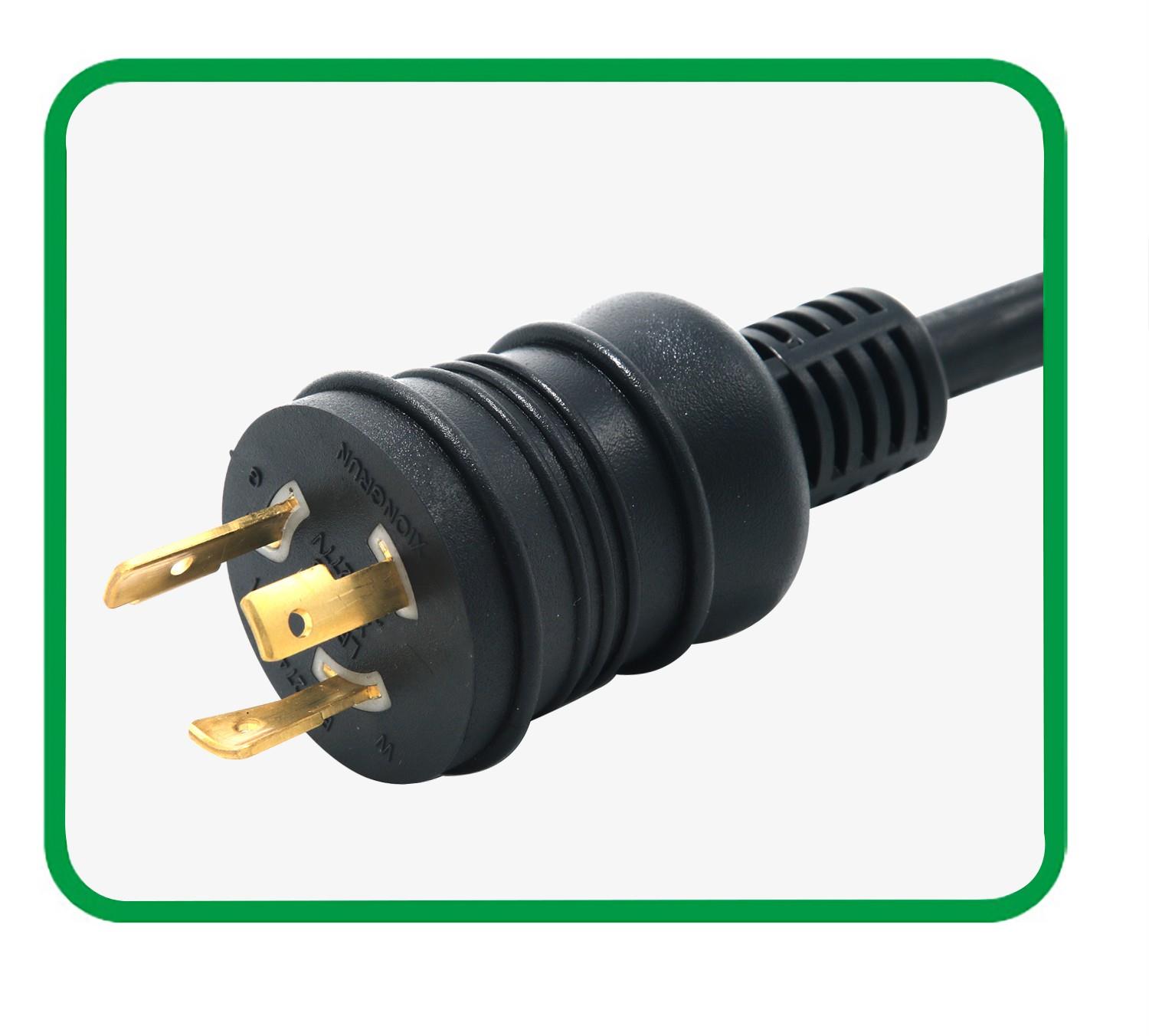
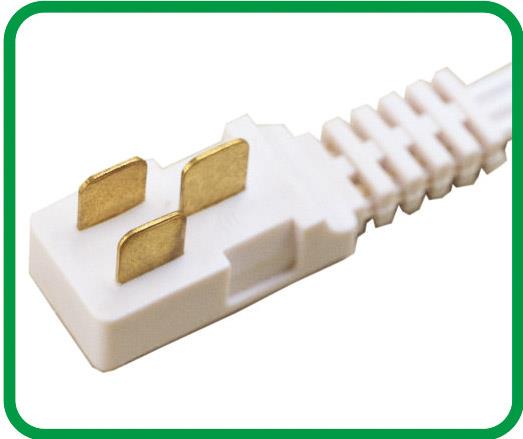
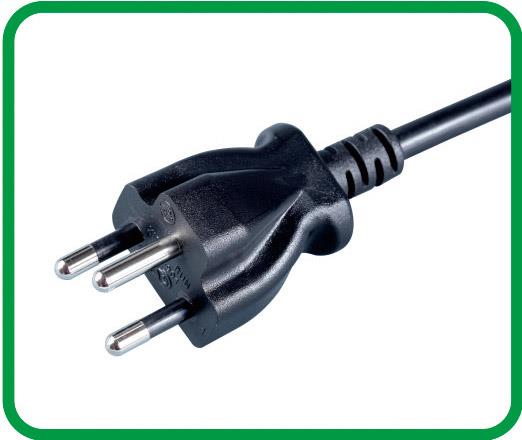
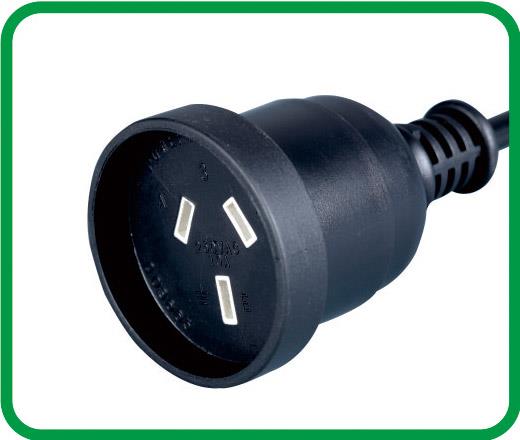
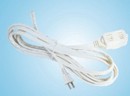
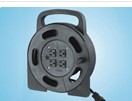
Power Cords & Extension Cords
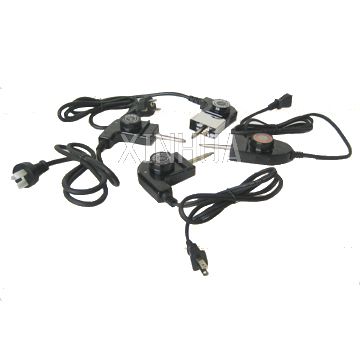
Source bulk Power Cords & Extension Cords from vetted manufacturers and suppliers. Designed for importers, electrical wholesalers, and brands seeking reliable OEM production, our network delivers certified, high-volume electrical supplies built to global safety standards.
Sourcing power cords and extension cords at scale requires balancing volatile commodity prices with strict, non-negotiable regulatory compliance. A fraction of a millimeter in wire drawing or an inconsistent PVC extrusion can lead to failed safety audits, import seizures, or thermal failure in the field. Success in this category means tightly controlling the bill of materials (BOM) and ensuring the factory's quality management system is robust enough to maintain consistency across hundreds of thousands of units.
Core Specifications and Material Selection
The primary cost driver and performance factor in any power cord is the conductor material. While the plug standard dictates the physical interface, the cable itself determines the current-carrying capacity and durability.
Conductor Purity and Gauge
Professional buyers must specify the exact copper purity. Standard production utilizes Oxygen-Free Copper (OFC) or high-conductivity bare copper. The gauge—measured in AWG (American Wire Gauge) for North America or cross-sectional area (mm²) for international markets—must strictly align with the target amperage.
The CCA Trap
Some low-cost suppliers may substitute Copper-Clad Aluminum (CCA) to undercut market pricing. CCA has higher electrical resistance than pure copper, leading to dangerous overheating in power applications. Always specify 100 percent pure bare copper and verify this during pre-shipment inspection by checking conductor weight and resistance.
Jacket and Insulation Materials
The operating environment dictates the insulation (inner) and jacket (outer) materials.
| Environment | Material | Typical Designations | Characteristics |
|---|---|---|---|
| Standard Indoor | PVC | SJT, SVT, H05VV-F | Cost-effective, moderate flexibility, poor oil resistance |
| Harsh / Outdoor | Rubber / Neoprene | SJOW, SOOW, H07RN-F | High flexibility, weather/oil resistant, higher cost |
| High Temperature | Silicone / Teflon | H05SS-F | Withstands extreme heat, specialized industrial use |
Manufacturing Tolerances and Quality Control
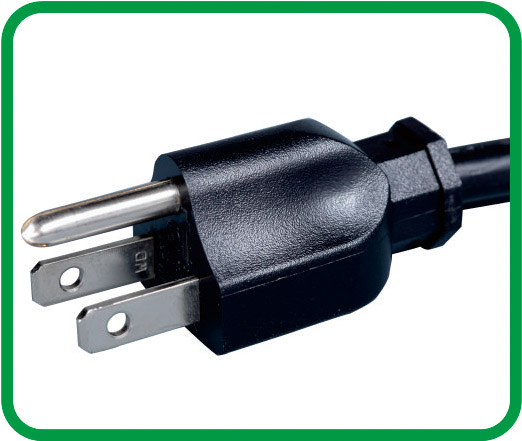
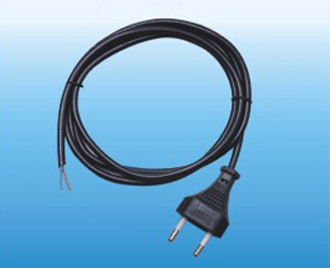
Producing a reliable extension cord involves wire extrusion, cutting, stripping, terminal crimping, and injection molding of the plugs. The most critical point of failure is often the junction between the flexible cable and the rigid plug.
Critical Factory Quality Checks
- Terminal Crimping Pull Force: Verifying the mechanical strength of the wire-to-pin connection.
- Injection Molding Integrity: Checking for flash, voids, or exposed wiring at the plug base.
- Strain Relief Flex Testing: Ensuring the cord can withstand thousands of bending cycles without internal wire breakage.
- Hi-Pot (High Potential) Testing: Applying high voltage to ensure insulation integrity and lack of shorts.
- Polarity and Continuity: Automated testing of every finished unit before packaging.
Need help establishing rigorous testing protocols with your manufacturer? We manage sourcing and on-site quality control for high-volume electrical buyers.
Talk to our teamNavigating Global Certifications
Electrical cords are highly regulated. A factory might claim they can produce a "UL-style" cord, but unless the specific factory holds the active certification for that exact plug and cable combination, the product cannot legally bear the mark.
Common required certifications include:
- North America: UL / cUL, CSA
- Europe: CE, VDE, RoHS, REACH
- UK: ASTA, BSI
- Australia/New Zealand: SAA
- Japan: PSE
Managing these requirements requires careful supplier vetting. A factory producing valid VDE cords for Germany may not hold the necessary UL files for the US market. Partnering with experts for compliance and testing ensures your shipments won't be rejected at customs.
Pricing Dynamics, MOQs, and Lead Times
Because copper makes up a significant percentage of the product's weight, pricing is highly sensitive to the London Metal Exchange (LME) copper index. Suppliers typically quote prices valid for only 7 to 15 days.
Minimum Order Quantities (MOQs) are rarely dictated by the plugs; they are dictated by the cable extrusion process. Factories must set up the extrusion line for a specific jacket color and gauge, which requires a minimum run length of raw cable.
When negotiating, focus on the copper weight and PVC/rubber volume. If a supplier's price is drastically lower than the market average, they are likely compromising on conductor gauge, using recycled PVC, or lacking genuine safety certifications. Conducting thorough factory audits before placing a deposit is the most effective way to verify production capabilities and material sourcing.
Protect your margins and your reputation. Let us audit your prospective suppliers and negotiate pricing based on real commodity costs.
Get a free consultationFrequently Asked Questions
Sourcing power and extension cords is fundamentally an exercise in risk management. By specifying exact material tolerances, verifying certifications at the factory level, and tying pricing to raw commodity indexes, volume buyers can secure reliable supply chains without sacrificing safety or margin.
Get Sourcing Help for Power Cords & Extension Cords
Tell us your requirements and our experts will connect you with verified manufacturers.