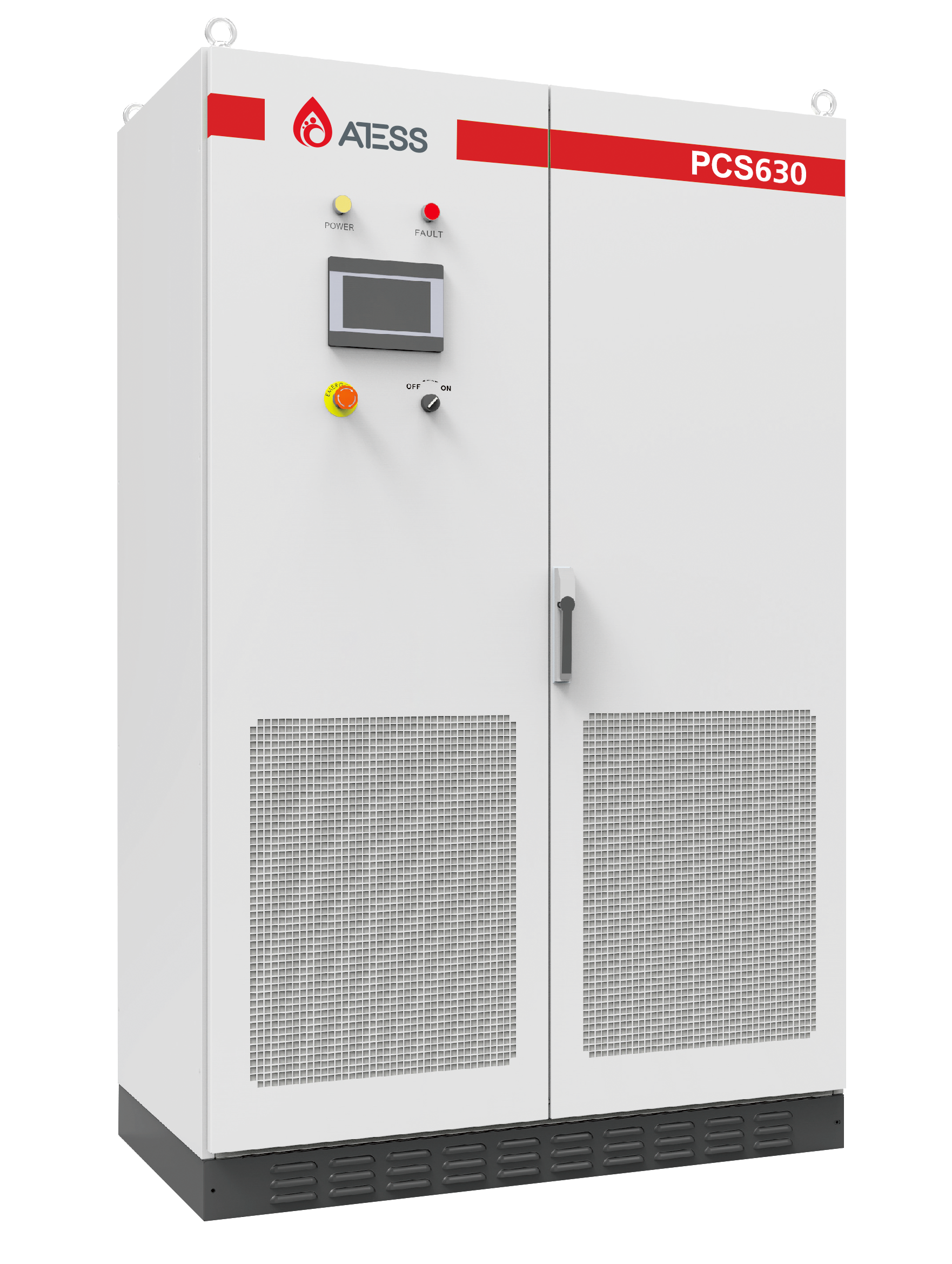
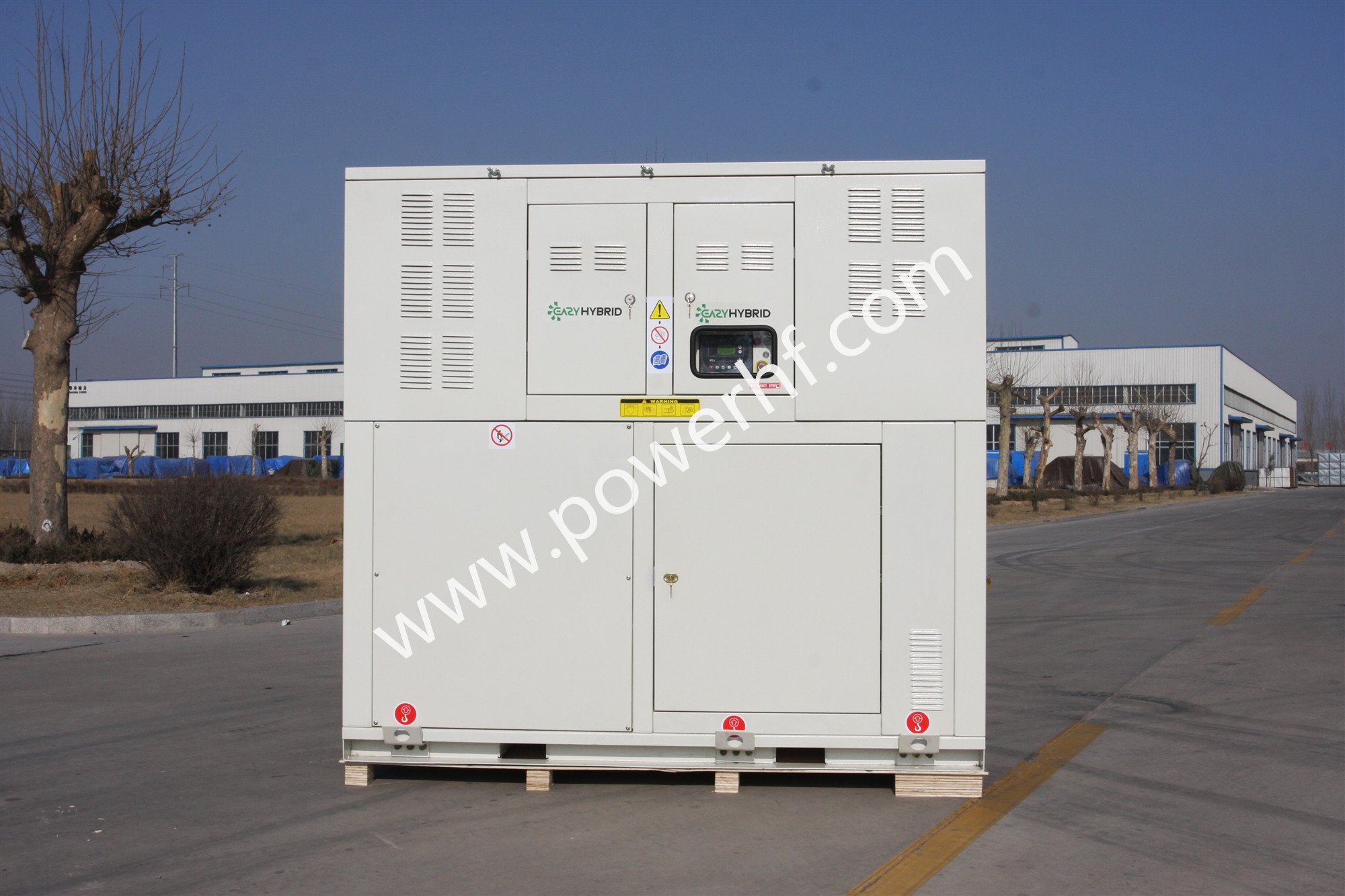
Power Conversion Systems (PCS)
Source commercial and utility-scale Power Conversion Systems (PCS) from vetted manufacturers and wholesale suppliers. Designed for importers, renewable energy distributors, and brands requiring reliable OEM and ODM production for energy storage integration.
Power Conversion Systems (PCS) dictate the efficiency, grid compliance, and operational stability of any Battery Energy Storage System (BESS). Sourcing these units in volume requires moving beyond basic inverter specifications to validate bidirectional efficiency, thermal management architecture, and seamless integration with both the Battery Management System (BMS) and Energy Management System (EMS).
For procurement managers and energy brands, the challenge is separating assemblers using off-the-shelf components from true manufacturers capable of delivering grid-compliant, firmware-stable systems at scale.
Core Technical Specifications to Define
When negotiating with PCS manufacturers, vague specifications lead to integration failures. The transition to 1500V DC architectures in utility-scale storage has made component selection and thermal design more critical than ever.
| Specification | Standard C&I PCS | Utility-Scale 1500V PCS |
|---|---|---|
| DC Voltage Range | 700V to 1000V | 1000V to 1500V |
| AC Output Voltage | 400V / 480V | 600V / 690V / 800V |
| Peak Efficiency | 97.5% to 98.2% | Over 98.5% |
| Cooling Architecture | Forced Air | Liquid Cooling or Advanced Air |
| Grid Functions | Grid-following, basic curtailment | Grid-forming, black start, frequency regulation |
Pay close attention to Total Harmonic Distortion (THD). Grid operators typically require THD under 3 percent at rated power. Furthermore, verify the response time for power dispatch; modern grid-interactive systems require step response times of less than 20 milliseconds to participate in frequency regulation markets.
Need to identify manufacturers capable of custom PCS specifications and seamless BMS integration?
Talk to our teamManufacturing Quality and Factory Verification
The reliability of a PCS is won or lost on the factory floor, specifically in component sourcing, PCB assembly, and rigorous thermal testing. Counterfeit or lower-tier Insulated-Gate Bipolar Transistors (IGBTs) are a common cause of premature failure in poorly sourced units.
When evaluating a supplier, or conducting Factory Audits, verify their supply chain traceability for critical semiconductors (e.g., Infineon, Fuji, or top-tier domestic equivalents).
Essential Factory Acceptance Testing (FAT)
Do not accept shipment without comprehensive FAT documentation. Effective Quality Control & Inspection for power electronics must include:
Critical PCS Testing Protocols
- Full-load burn-in testing (minimum 24 to 48 hours at elevated ambient temperatures).
- Thermal imaging during peak load to identify hotspot formation on IGBT modules and magnetics.
- Insulation resistance and dielectric withstand (Hi-Pot) testing.
- Firmware validation, including simulated BMS communication loss and grid fault ride-through.
- Verification of conformal coating thickness on all PCBs for moisture and dust resistance.
If you are developing a proprietary energy storage solution, utilizing OEM/ODM Services allows you to specify these testing parameters and integrate custom EMS communication protocols directly at the factory level.
Compliance and Grid Certification
A perfectly manufactured PCS is useless if it cannot legally connect to the target market's grid. Certification should never be an afterthought.
Manufacturers often claim compliance, but you must verify the exact testing reports for the specific power rating you are purchasing. Relying on an umbrella certification for a different model in the same series is a common trap that leads to project delays. If you are importing to North America, UL 1741-SA/SB and IEEE 1547 compliance are mandatory. For European markets, IEC 62109 and specific grid codes (like VDE in Germany) apply. Utilizing professional Compliance & Testing services ensures the units you import meet all local interconnection standards before they leave Asia.
Pricing Drivers, MOQs, and Lead Times
PCS pricing is highly dependent on power density, cooling technology, and component origin.
- Pricing: Standard air-cooled commercial units (50kW to 250kW) typically range from $0.06 to $0.12 per watt, depending on volume and component tier. Transitioning to liquid-cooled, high-density 1500V systems or integrating Silicon Carbide (SiC) modules will push costs higher but reduce long-term operational expenses.
- MOQs: For large utility-scale modular PCS units (500kW and above), manufacturers often accept MOQs of 1 to 5 units. For smaller commercial string PCS units, expect MOQs starting at 20 to 50 units.
- Lead Times: Due to semiconductor supply chains and extensive burn-in testing, realistic production lead times range from 45 to 90 days. Custom firmware development or white-labeling will add 2 to 4 weeks to the initial order.
Optimize your PCS procurement strategy with accurate pricing, vetted suppliers, and comprehensive quality control.
Get a free consultationFrequently Asked Questions
Successfully sourcing Power Conversion Systems requires treating the procurement process as an engineering partnership rather than a simple commodity purchase. By enforcing strict FAT protocols, validating component traceability, and ensuring bulletproof grid compliance, you protect your energy storage projects from costly field failures and commissioning delays.
Get Sourcing Help for Power Conversion Systems (PCS)
Tell us your requirements and our experts will connect you with verified manufacturers.