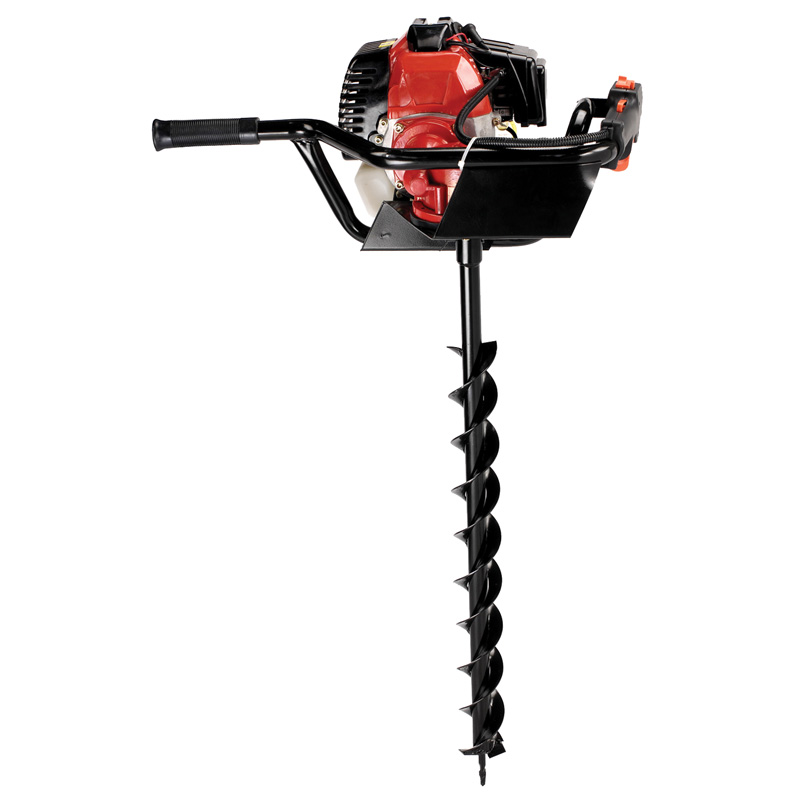
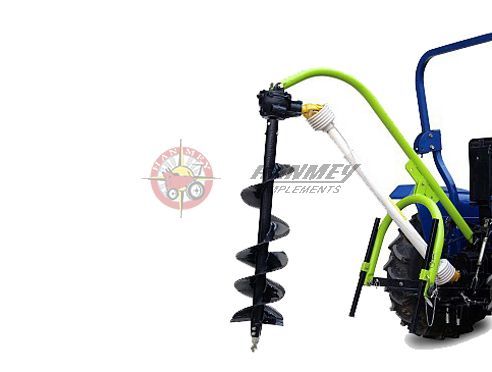
Post Hole Diggers
Source wholesale post hole diggers directly from vetted manufacturers and suppliers. Designed for hardware importers, tool distributors, and brands seeking reliable OEM and private-label production. Compare bulk pricing on heavy-duty digging tools built to professional trade and agricultural standards.
Sourcing post hole diggers at scale requires balancing unit cost with the mechanical realities of a high-leverage, high-impact tool. A digger is only as good as its weakest point—typically the pivot assembly, the blade-to-handle connection, or the handle material itself. For hardware brands and distributors, specifying the right materials and enforcing strict manufacturing tolerances is the only way to prevent costly returns and protect brand reputation.
Handle Material and Construction
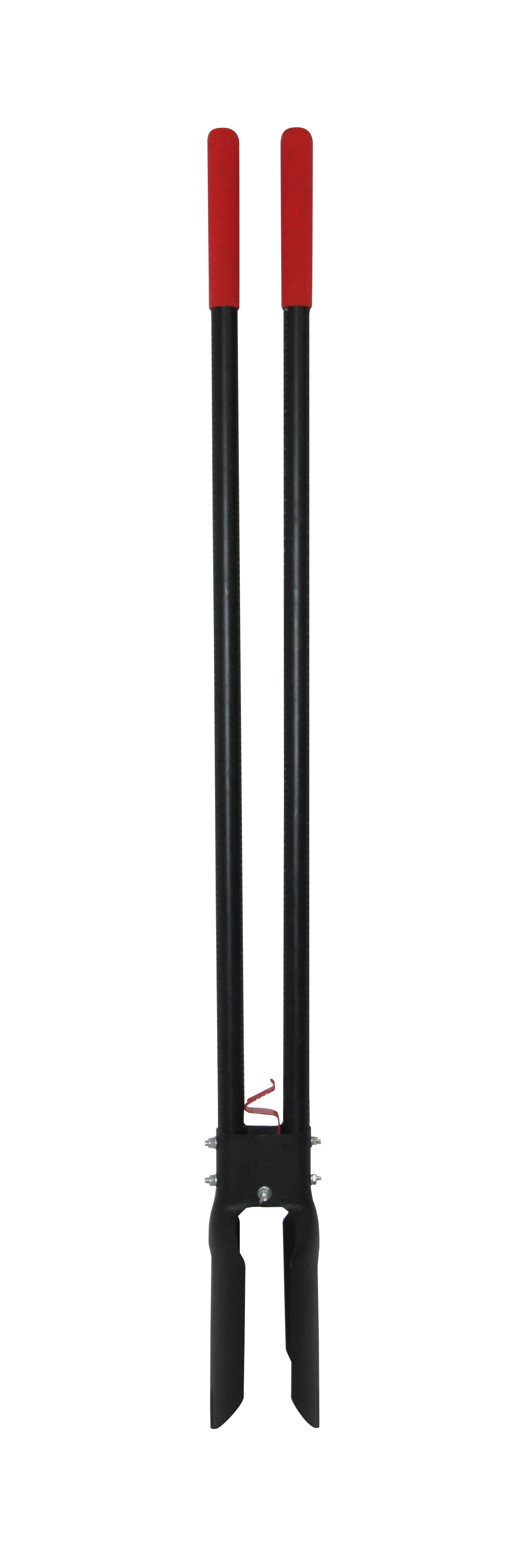
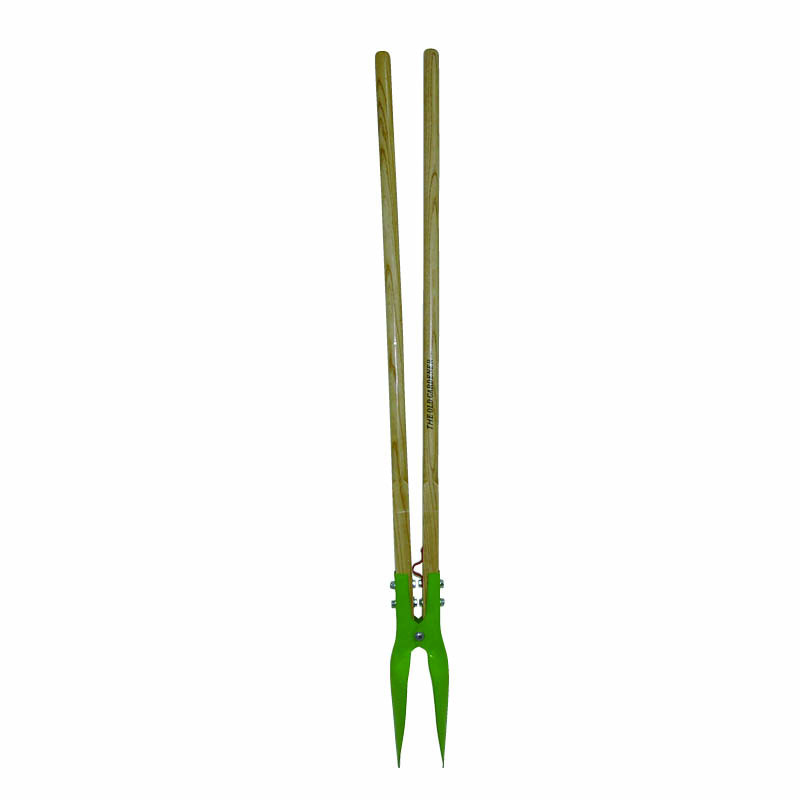
The handle dictates the tool's weight, durability, and cost. While traditional wood remains popular in certain markets, fiberglass and tubular steel dominate professional and heavy-duty categories.
| Material | Primary Advantage | Common Manufacturing Risks |
|---|---|---|
| Ash / Hickory Wood | Low cost, traditional feel | Grain runout, moisture content variations |
| Fiberglass | High strength-to-weight, weather resistant | Pultrusion voids, poor epoxy adhesion at the socket |
| Tubular Carbon Steel | Maximum leverage and durability | Excessive weight, weld failure at the blade junction |
When sourcing fiberglass models for private-label lines, verify the core structure. Premium handles use a solid fiberglass core near the blade connection to withstand prying forces, while cheaper alternatives use hollow pultrusions throughout, leading to snapping under heavy load.
Need help navigating factory capabilities and material specifications? We match you with manufacturers equipped for high-tolerance tool production.
Talk to our teamBlade Metallurgy and Pivot Mechanisms
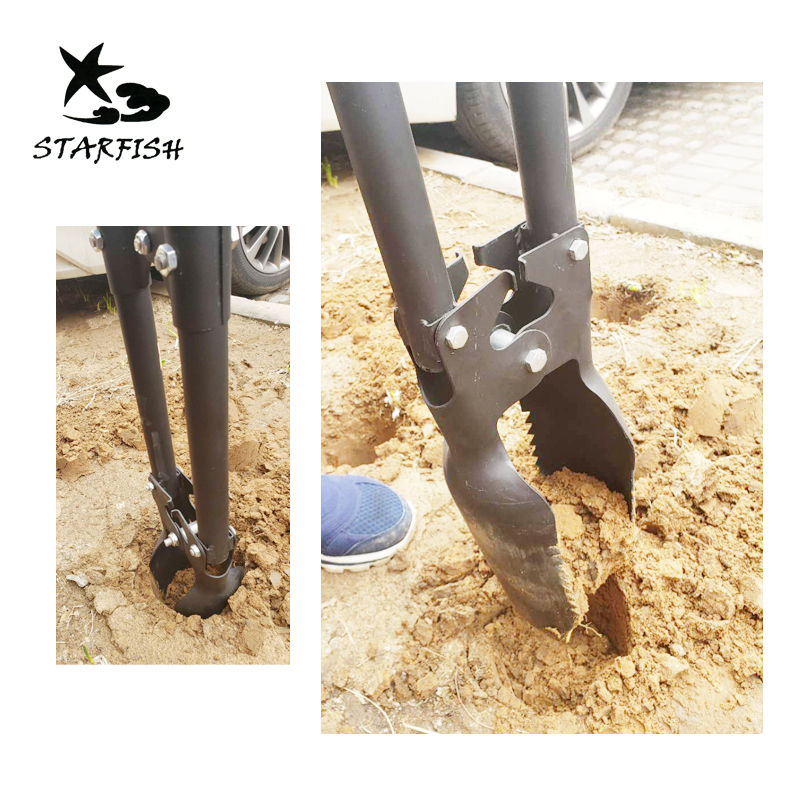
The blades (or jaws) of a post hole digger must penetrate compacted soil and sever small roots without deforming. Most export-grade diggers utilize stamped carbon steel, typically 45# or 50# grade.
Heat treatment is critical. Blades should be hardened to an HRC of 42 to 48. If the steel is too soft, the cutting edge rolls; if it is too hard, the blade becomes brittle and chips on rock strikes.
The pivot mechanism is the primary failure point in budget tools. Specify heavy-duty, hardened steel carriage bolts with nylon-insert lock nuts rather than standard rivets. Rivets loosen rapidly under the torsional stress of twisting the digger in hard clay.
Critical Quality Control Checks
Catching defects before the container is loaded is essential. A robust Quality Control & Inspection protocol for digging tools should include:
Pre-Shipment Inspection Focus Areas
- Handle Pull-Out Force: Testing the epoxy or rivet bond between handle and blade socket.
- Blade Hardness (HRC): Verifying heat treatment consistency across multiple batch samples.
- Pivot Tolerances: Ensuring jaws align perfectly when closed, with no lateral play.
- Coating Integrity: Performing salt spray tests on powder-coated or painted blades to ensure rust resistance.
If you are scaling a new product line, conducting comprehensive Factory Audits prior to placing your first order ensures the supplier has the necessary stamping presses, heat-treatment ovens, and assembly jigs in-house, rather than outsourcing to unverified sub-tier workshops.
MOQs, Lead Times, and OEM Customization
Most manufacturers in major tool-producing regions (such as Shandong or Zhejiang) operate on standardized production runs. Customizing a tool for your brand involves specific minimum order quantities (MOQs) depending on the level of customization.
For businesses looking to differentiate their product line, utilizing OEM/ODM Services allows you to specify custom handle grips (TPR overmolding), proprietary blade shapes for specific soil types, and branded powder-coat colors.
Looking to develop a custom line of digging tools or consolidate your existing hardware suppliers? Let's discuss your supply chain requirements.
Get a free consultationFrequently Asked Questions
Sourcing reliable post hole diggers requires strict attention to metallurgy, handle construction, and assembly tolerances. By partnering with vetted manufacturers and enforcing rigorous quality standards, you can secure high-performance tools that meet the demands of professional end-users while protecting your margins.
Get Sourcing Help for Post Hole Diggers
Tell us your requirements and our experts will connect you with verified manufacturers.