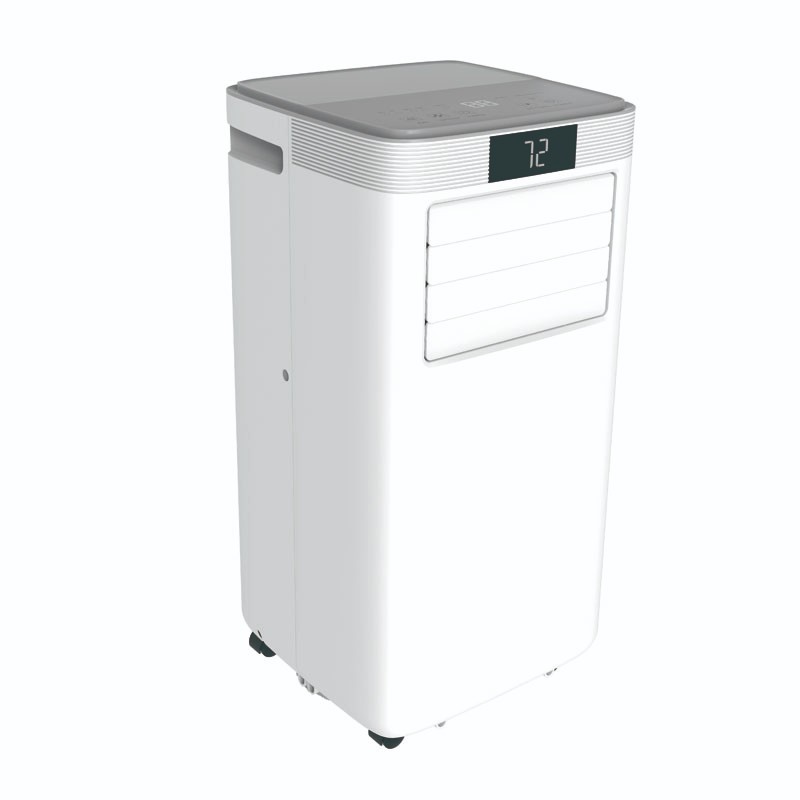
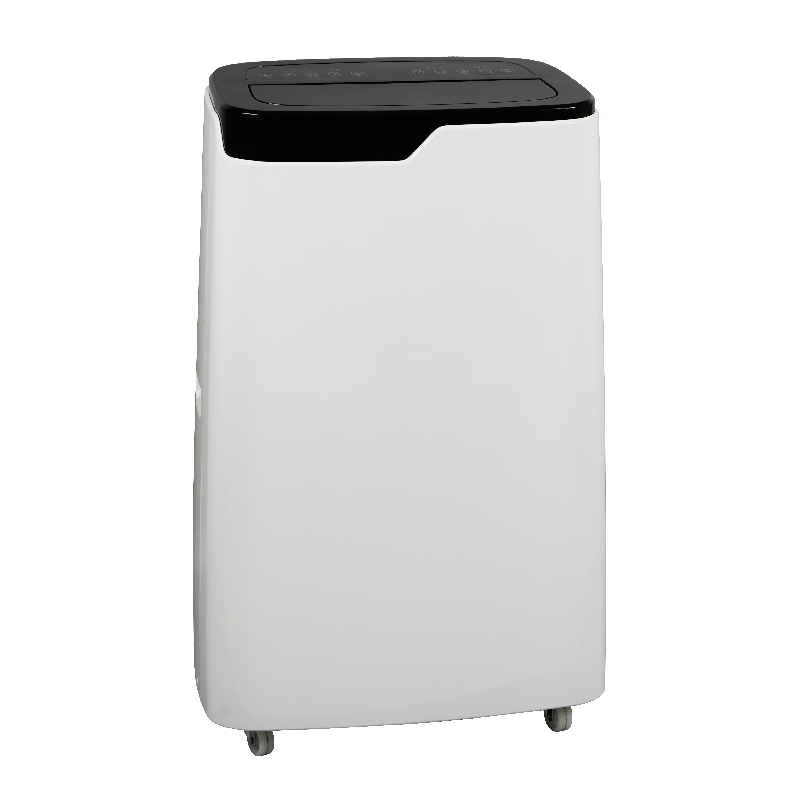
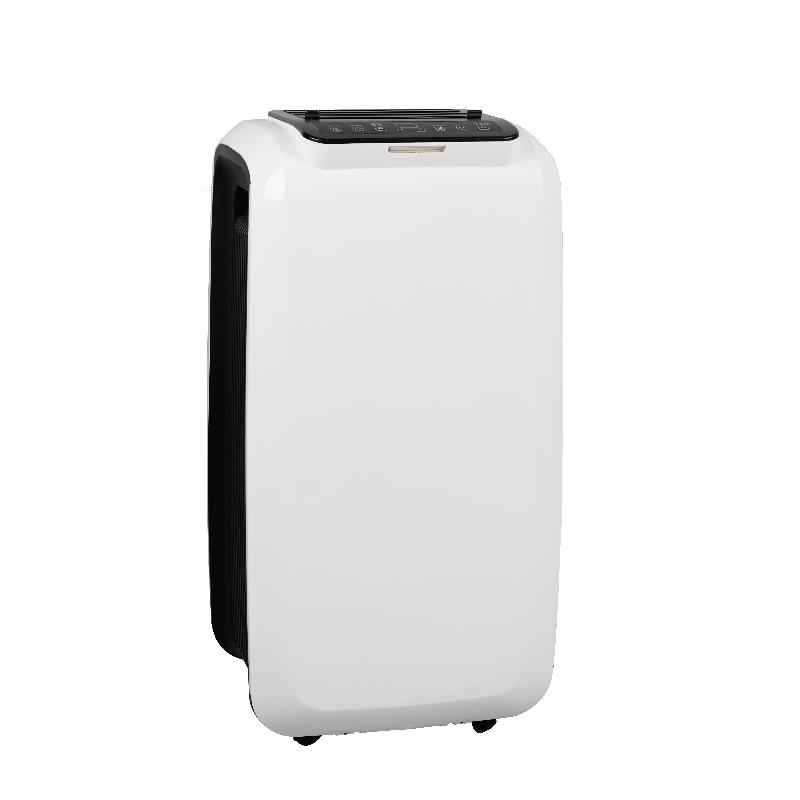
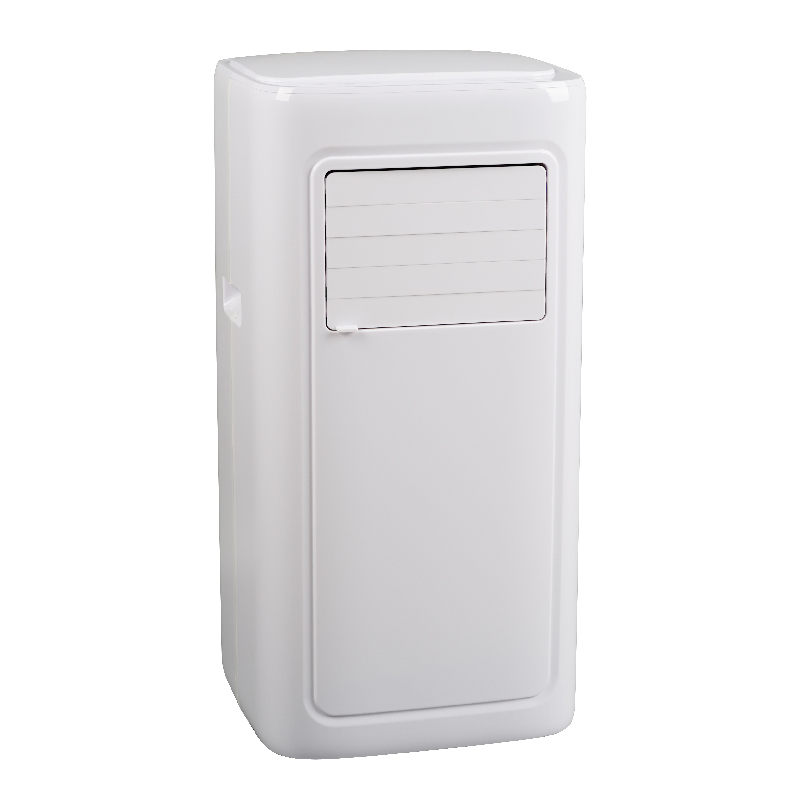
Portable Air Conditioners
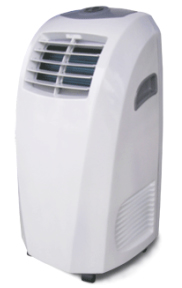
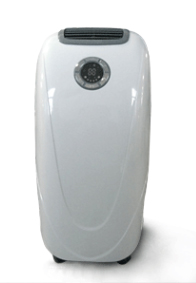
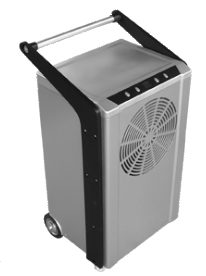
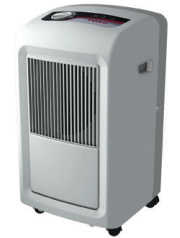
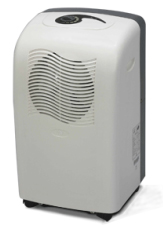
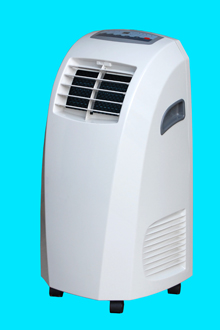
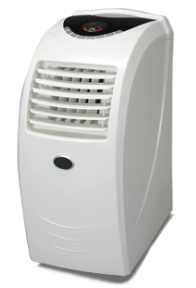
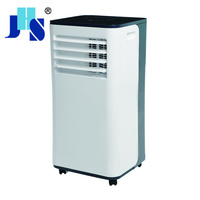
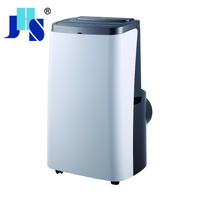
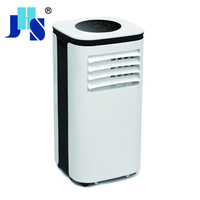
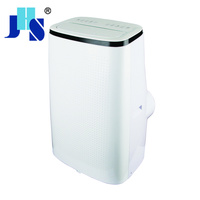
Source bulk and wholesale Portable Air Conditioners from vetted manufacturers and suppliers. This category is designed for importers, distributors, and appliance brands requiring reliable OEM and private-label production. Secure factory-direct pricing on high-capacity, energy-efficient cooling units engineered for global markets.
Sourcing portable air conditioners at scale requires navigating stringent energy efficiency mandates, shifting refrigerant regulations, and complex compressor supply chains. Success in this category depends on aligning your target market's regulatory requirements with a manufacturer's engineering capabilities, ensuring consistent cooling performance, acceptable acoustic levels, and long-term reliability.
Specifying Portable Air Conditioners
When negotiating with factories, precision in your specification sheet prevents costly misunderstandings. Buyers must clearly define cooling capacity, system architecture, and environmental compliance.
The BTU Rating Discrepancy
The most common sourcing pitfall is the discrepancy between ASHRAE and SACC (Seasonally Adjusted Cooling Capacity) BTU ratings. The US Department of Energy (DOE) mandates SACC, which accounts for the heat generated by the unit itself and the infiltration of warm outside air. A unit rated at 14,000 BTU under older ASHRAE standards typically yields only 9,500 to 10,000 BTU under SACC. Always specify which testing standard the factory must use for your target market.
System Architecture: Hose Configurations
| System Type | Cooling Efficiency | Market Application |
|---|---|---|
| Single Hose | Moderate (creates negative pressure) | Entry-level to mid-tier consumer retail |
| Dual Hose | High (balanced pressure, faster cooling) | Premium retail, commercial spot cooling |
Refrigerant Transitions
Global mandates phasing out high Global Warming Potential (GWP) hydrofluorocarbons are forcing a transition away from R410A. Most tier-one factories now engineer units for R32 or R290 (propane). R290 offers excellent thermodynamic performance and near-zero GWP, but requires specialized factory safety protocols during the charging process due to its flammability.
Need help verifying a factory's technical capabilities and compressor supply chain?
Talk to our teamManufacturing Quality and Component Sourcing
The reliability of a portable AC unit relies heavily on the Bill of Materials (BOM), specifically the compressor and the heat exchange coils.
- Compressor Origins: Top-tier manufacturers utilize compressors from established brands like GMCC, Rechi, or Highly. Substituting these with unbranded alternatives reduces costs but drastically increases failure rates and acoustic noise.
- Coil Materials: Ensure the evaporator and condenser coils use high-grade copper tubing with hydrophilic aluminum fins. Some factories attempt to substitute copper with aluminum tubing to cut costs, which reduces thermal efficiency and shortens lifespan.
- Acoustic Dampening: Portable units house the noisy compressor indoors. High-quality injection-molded ABS plastics with tight tolerances, combined with internal acoustic dampening blankets around the compressor, are necessary to keep noise levels under 55 decibels.
Implementing rigorous Quality Control & Inspection during assembly is critical. In-line testing must include halogen leak detection to ensure the hermetically sealed refrigerant loop is intact before the final housing is attached.
Compliance and Market Readiness
Customs agencies strictly enforce compliance for refrigerant-based appliances. Engaging Compliance & Testing protocols early in the sourcing process prevents shipment seizures.
Mandatory Certifications and Testing
- Safety Standards: UL 484 or CSA C22.2 No. 117 for North America; EN 60335-2-40 for Europe.
- Energy Efficiency: Verification of CEER (Combined Energy Efficiency Ratio) to meet local DOE or ErP directives.
- Environmental: RoHS compliance for electronic components and verified EPA SNAP or F-Gas compliance for refrigerants.
- Transit Testing: ISTA 3A drop testing is mandatory. The heavy compressor creates a high center of gravity, making units prone to internal structural damage.
Pricing, MOQs, and Production Mechanics
Portable air conditioners are highly seasonal. Factories begin booking peak-season production capacity in Q4 of the preceding year. Waiting until Q2 to place orders guarantees long delays and higher component costs.
For brands looking to differentiate, utilizing OEM/ODM Services allows for custom front-panel tooling, proprietary digital displays, and the integration of smart home modules (such as Tuya-based Wi-Fi controls). Custom housing tooling typically adds 30 to 45 days to the initial development timeline.
Optimize your procurement schedule and secure peak-season production capacity.
Get a free consultationFrequently Asked Questions
Sourcing portable air conditioners is an exercise in risk management, balancing precise engineering standards with seasonal supply chain pressures. Aligning with the right manufacturing partner ensures your units perform reliably in the field and comply with all regulatory mandates.
Get Sourcing Help for Portable Air Conditioners
Tell us your requirements and our experts will connect you with verified manufacturers.