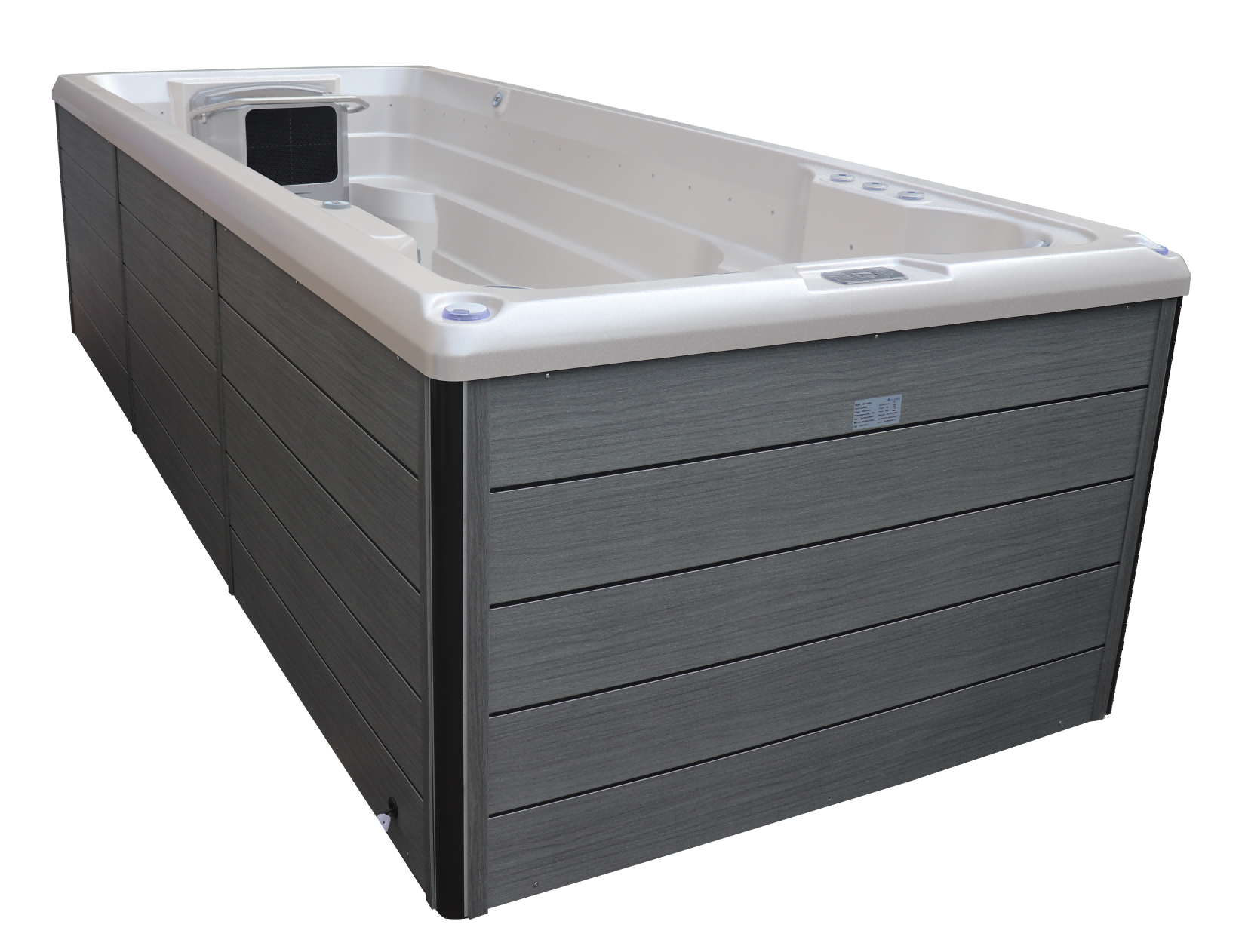
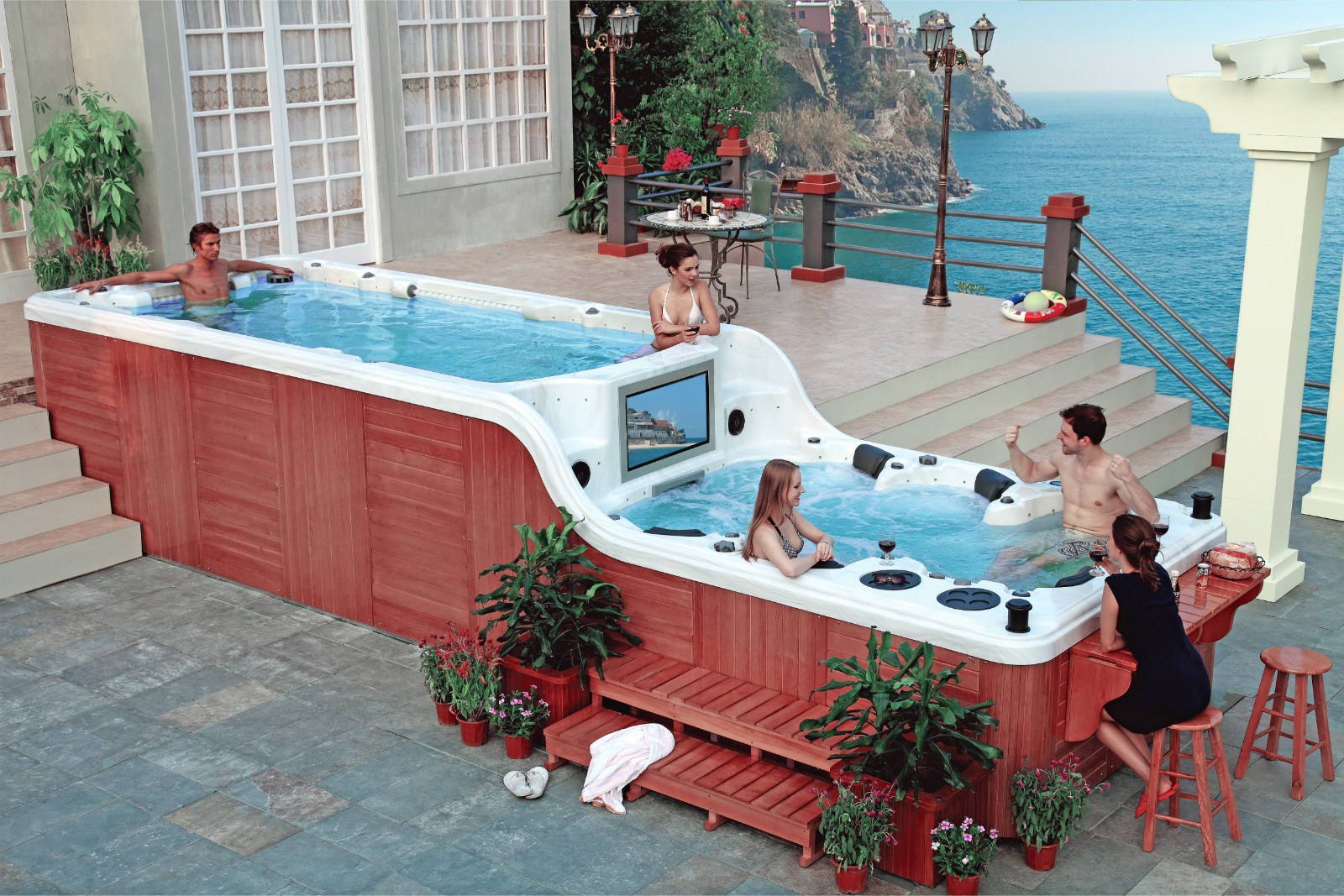
Pools
Source high-quality pools from vetted manufacturers and wholesale suppliers across Asia. Designed for importers, distributors, and brands seeking OEM and private-label production, our network delivers reliable manufacturing at scale. Partner with us for competitive bulk pricing and strict quality control.
Sourcing above-ground, frame, and inflatable pools in high volumes requires balancing material durability with strict safety and chemical compliance. The primary sourcing challenge lies in ensuring consistent seam integrity and frame strength across thousands of units. A single batch failure in manufacturing can lead to catastrophic leaks, product recalls, and severe brand damage.
Material Specifications and Structural Integrity
The longevity of any pool depends heavily on the liner material and, for structured variants, the metal frame. When negotiating with manufacturers, specifying exact material grades rather than accepting "standard PVC" is critical for maintaining quality.
Liner Composition
For inflatable and soft-sided pools, the PVC liner is the most critical component. High-end pools utilize a 3-ply construction: a polyester mesh core sandwiched between two layers of heavy-gauge PVC. Buyers must specify the denier count of the mesh (typically 1000D) and the total thickness of the material (usually ranging from 0.40mm to 0.80mm, depending on the pool's capacity).
| Liner Type | Typical Thickness | Application |
|---|---|---|
| Single-Layer PVC | 0.20mm - 0.35mm | Small children's inflatables |
| Dual-Layer Laminated | 0.40mm - 0.55mm | Mid-sized family inflatables |
| 3-Ply Supported (Mesh Core) | 0.55mm - 0.80mm+ | Large steel-frame above-ground pools |
Need expert support in defining technical specifications and finding capable pool manufacturers?
Talk to our teamFrame and Coating Tolerances
For structured pools, the steel frame must withstand both immense outward water pressure and constant exposure to moisture and pool chemicals. Specify galvanized steel pipes with a minimum wall thickness of 0.8mm for standard sizes, scaling up to 1.2mm for larger pools. Ensure the factory applies a high-quality powder coating over the galvanization to prevent early-onset corrosion.
Manufacturing Processes and Quality Control
The most common point of failure in pool manufacturing is the seam. Factories use High-Frequency (HF) welding to fuse PVC panels. If the machine calibration (temperature, pressure, or time) is off by even a fraction, the seam will either be too weak to hold water or brittle enough to crack under stress.
Implementing rigorous Quality Control & Inspection protocols at the factory level is non-negotiable.
Essential Factory-Level QC Checks for Pools
- 24-to-48 hour inflation testing on a randomized AQL sample to check for micro-leaks.
- Seam peel strength and tensile testing using standardized dynamometers.
- Water load testing to verify structural frame integrity at maximum capacity.
- Salt spray testing on metal frame components to verify powder coating efficacy.
- Chemical composition verification to ensure compliance with regional phthalate restrictions.
If you are developing custom shapes or branded designs, leveraging comprehensive OEM/ODM Services ensures that your specific structural modifications are engineered correctly before mass production begins.
Chemical Compliance and Market Regulations
Pools are highly regulated, particularly when marketed toward children. Importers must ensure that the PVC used is free from restricted phthalates (such as DEHP, DBP, and BBP) to comply with REACH in the European Union and CPSIA in the United States.
Relying solely on a supplier's outdated test reports is a massive risk. Proactive Compliance & Testing through accredited third-party laboratories should be integrated into your production timeline to verify that the current batch of raw materials meets all target market regulations (e.g., EN 16927 for above-ground pools in Europe, or ASTM F2666 in the US).
MOQs, Lead Times, and Pricing Dynamics
The pool manufacturing industry is highly seasonal. Factories in major hubs like Guangdong and Zhejiang operate at peak capacity from October to March to fulfill orders for the upcoming Northern Hemisphere summer.
Pricing is heavily indexed to the global cost of PVC resin and steel. When requesting quotes, ensure the pricing is tied to specific material thicknesses and weights, as factories will often reduce the PVC gauge or steel wall thickness to hit a lower target price if left unspecified. Conducting thorough Factory Audits before placing a deposit ensures the supplier actually possesses the heavy-duty HF welding machinery required for large-scale pool production, rather than subcontracting the work.
Optimize your procurement schedule and secure reliable production capacity for the upcoming season.
Get a free consultationFrequently Asked Questions
Successfully sourcing pools requires looking past surface-level pricing to understand the underlying material costs and manufacturing tolerances. By strictly defining your specifications and maintaining tight oversight on the factory floor, you protect your margins from the devastating costs of defective inventory.
Get Sourcing Help for Pools
Tell us your requirements and our experts will connect you with verified manufacturers.