Polishing Pads
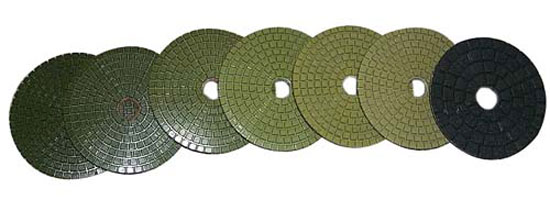
Source high-quality polishing pads from vetted suppliers and manufacturers across Asia. Designed for importers, industrial distributors, and brands requiring OEM or private-label production, our network delivers reliable bulk manufacturing for automotive, marine, and surface finishing applications.
Sourcing polishing pads in commercial volumes requires navigating a highly fragmented supplier base where batch-to-batch consistency is often the casualty of cost-cutting. Whether your market is automotive detailing, stone fabrication, or industrial surface finishing, a pad's performance relies entirely on the integrity of its raw materials and the precision of its assembly. For bulk buyers, the challenge is identifying manufacturers capable of maintaining exact foam densities, secure backing adhesion, and tight dimensional tolerances across tens of thousands of units.
Technical Specifications & Material Selection
When negotiating with manufacturers, vague specifications lead to inconsistent performance. Factories will default to locally available, lower-grade materials unless you define exact parameters for the face material and the backing interface.
| Material Type | Primary Application | Key Specifications to Define |
|---|---|---|
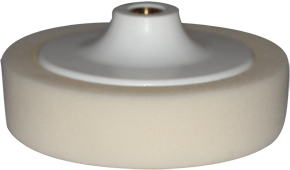
| Foam | Compounding, polishing, finishing | PPI (Pores Per Inch), cell structure (reticulated vs. closed), tensile strength |
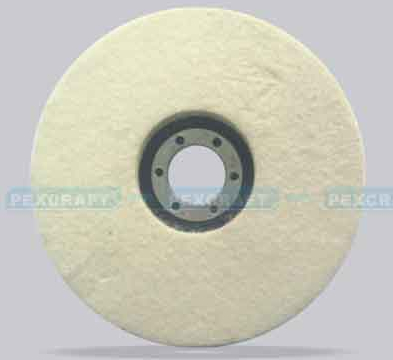
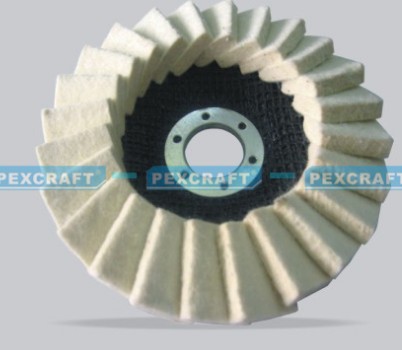
| Wool | Heavy cutting, marine, industrial | Pile height, natural vs. synthetic blend ratio, ply count |
| Microfiber | Correction and finishing on DA polishers | GSM (Grams per Square Meter), pile length, blend (e.g., 70/30 polyester/polyamide) |
The Backing Interface
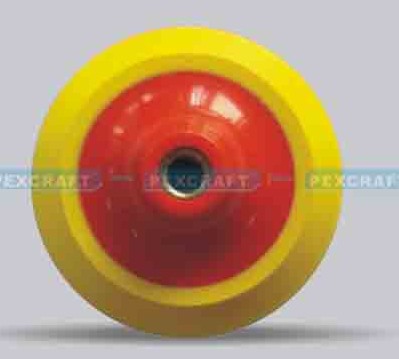
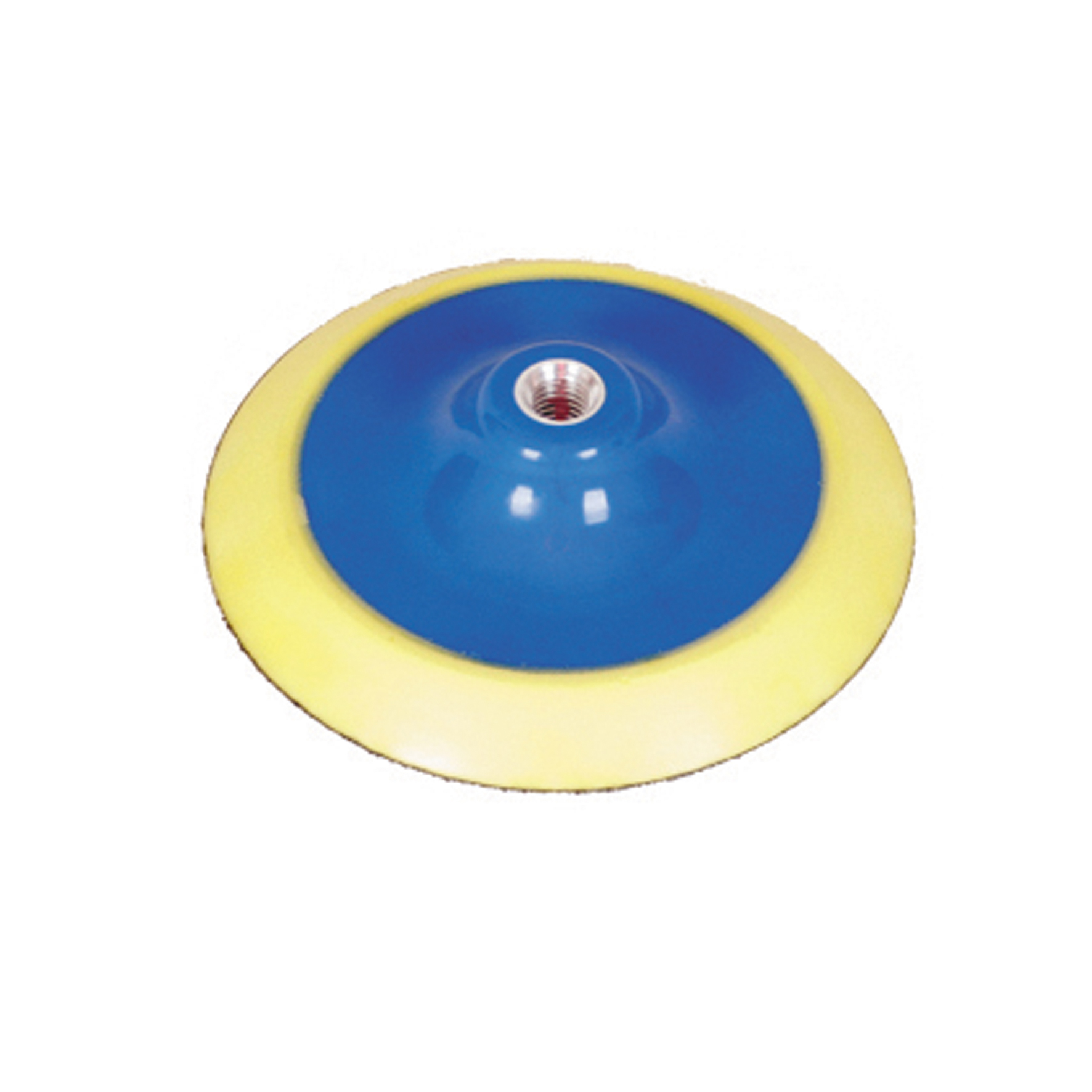
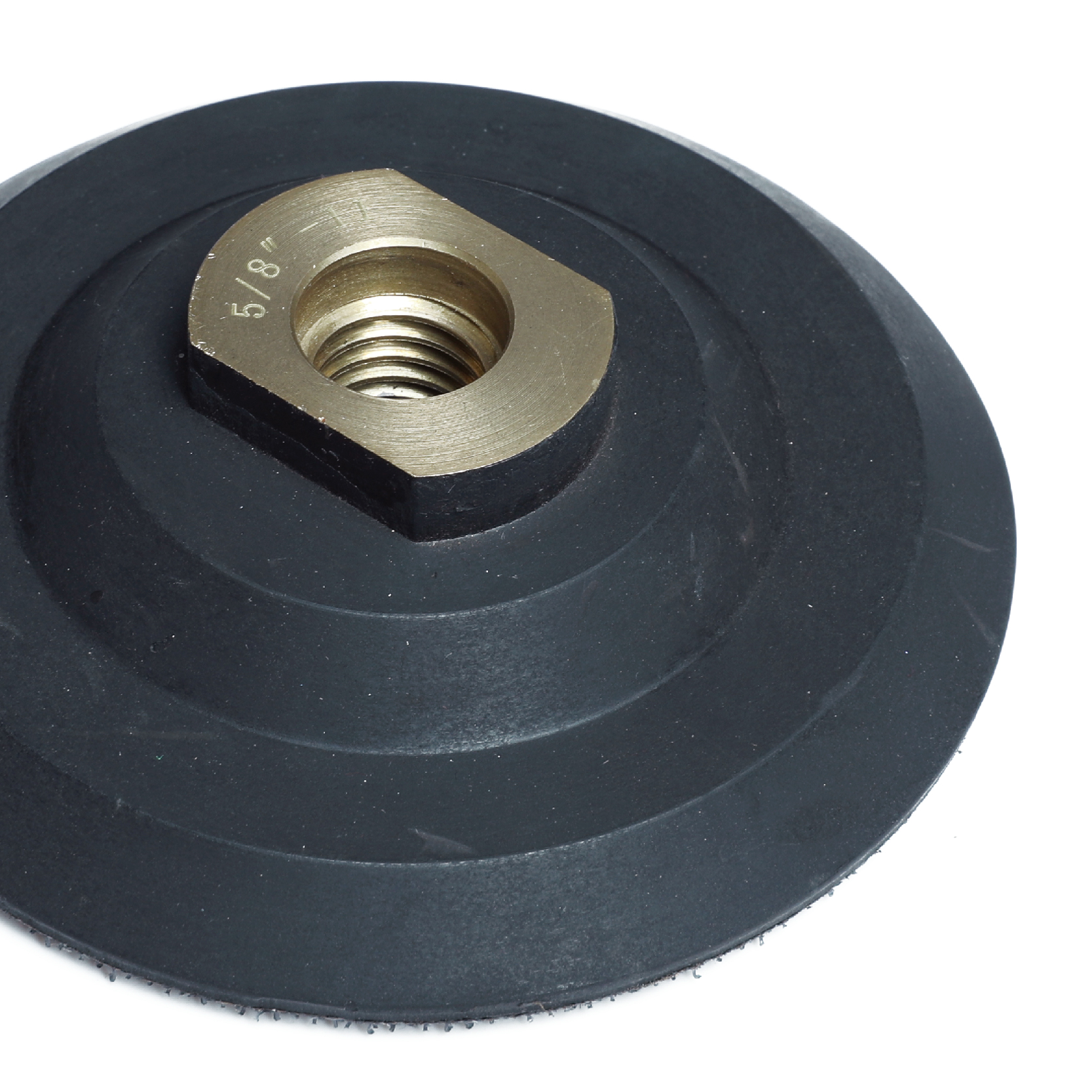
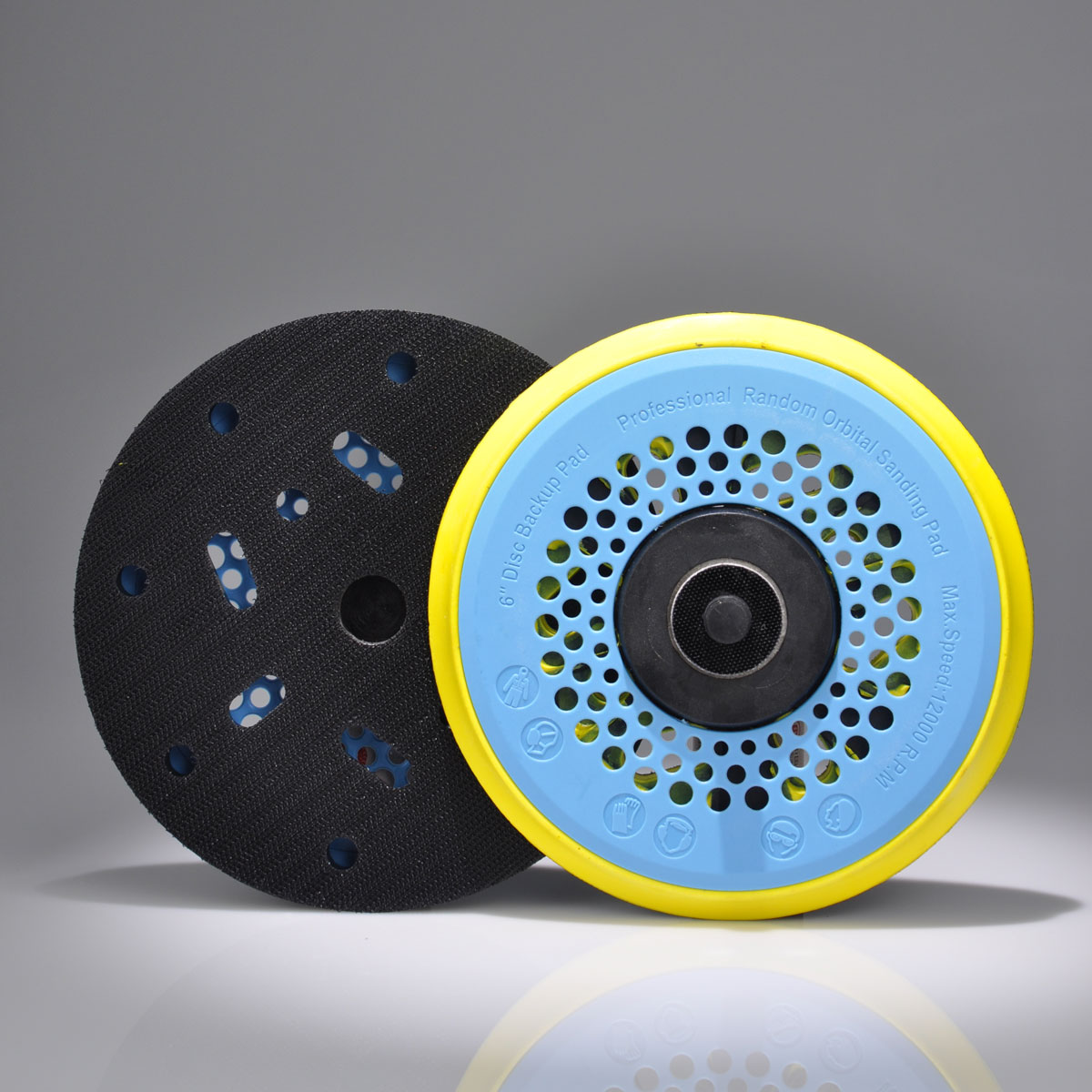
The most critical point of failure in any polishing pad is the hook-and-loop backing. High RPMs and dual-action (DA) lateral forces generate intense heat, which can cause the adhesive bonding the backing to the pad to fail. You must specify high-temperature resistant adhesives (often polyurethane-based) and test the peel strength of the hook-and-loop material.
Struggling with inconsistent foam density or delamination issues? Let us connect you with manufacturers proven to meet strict industrial tolerances.
Speak to our sourcing teamManufacturing Tolerances and Quality Control
Quality is won or lost on the factory floor during the cutting, gluing, and curing phases. Many lower-tier suppliers use manual stamping presses and cheap adhesives to speed up production, resulting in off-center backing and premature delamination.
When evaluating a new supplier, robust Factory Audits are essential to verify their production equipment and quality management systems.
Critical QC Checkpoints for Polishing Pads
- Centering accuracy: The hook-and-loop backing must be perfectly concentric to prevent extreme vibration on DA polishers.
- Adhesive curing: Ensure the factory allows proper curing time for the bonding agent to prevent heat-induced delamination.
- Foam consistency: Verify that PPI and compression resistance match the approved golden sample across different production runs.
- Edge finishing: Beveled or contoured edges must be cleanly cut without tearing or fraying the foam structure.
Implementing rigorous Quality Control & Inspection prior to shipment is the only way to catch these defects before they reach your warehouse and damage your brand's reputation.
OEM and Private Label Production
For brands looking to differentiate, polishing pads offer extensive customization options. Most capable factories provide comprehensive OEM/ODM Services, allowing you to dictate the exact specifications of the product.
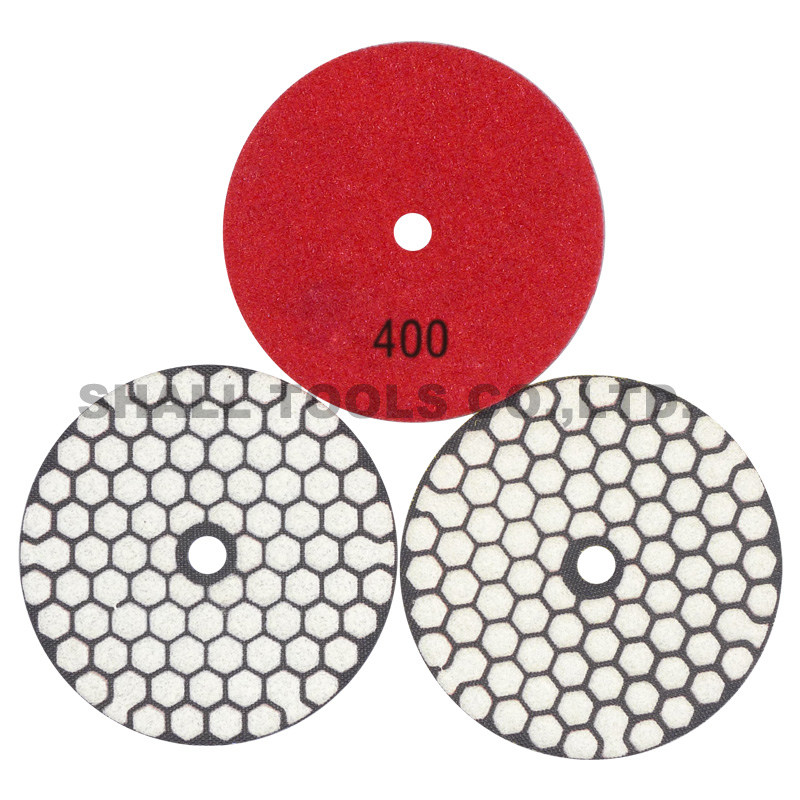
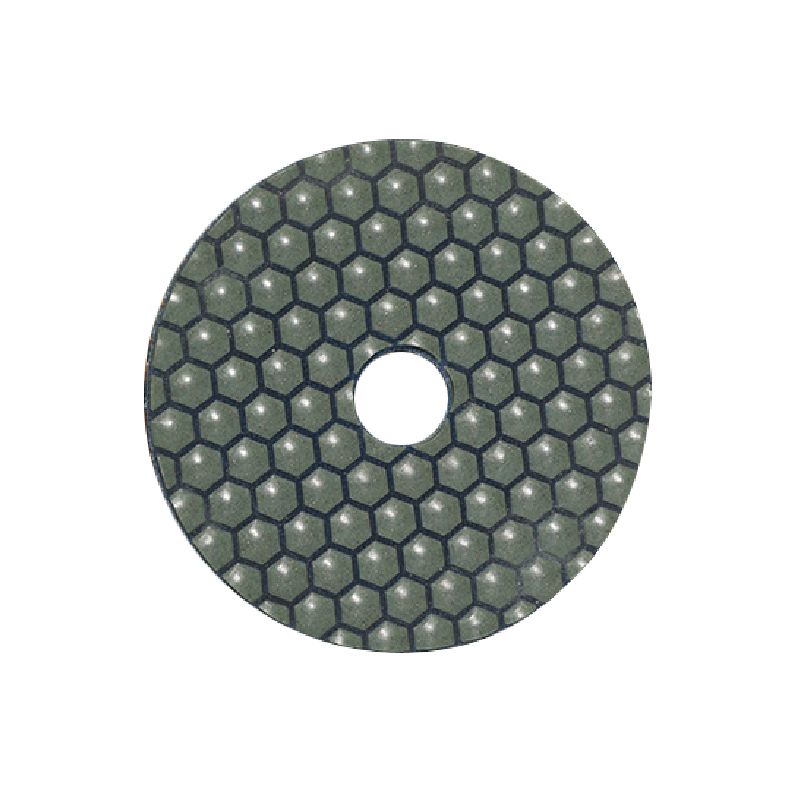
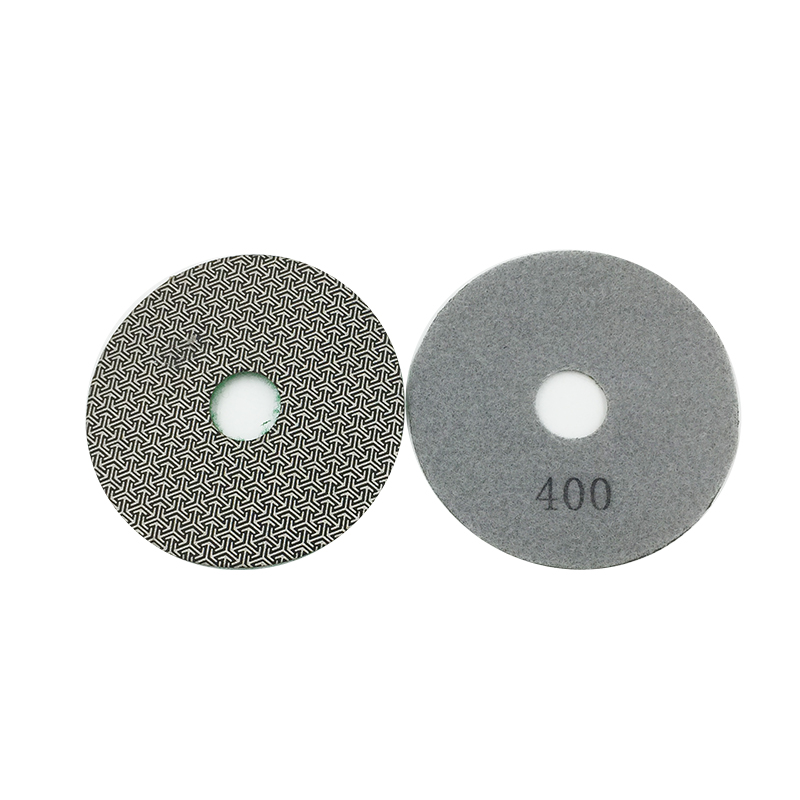
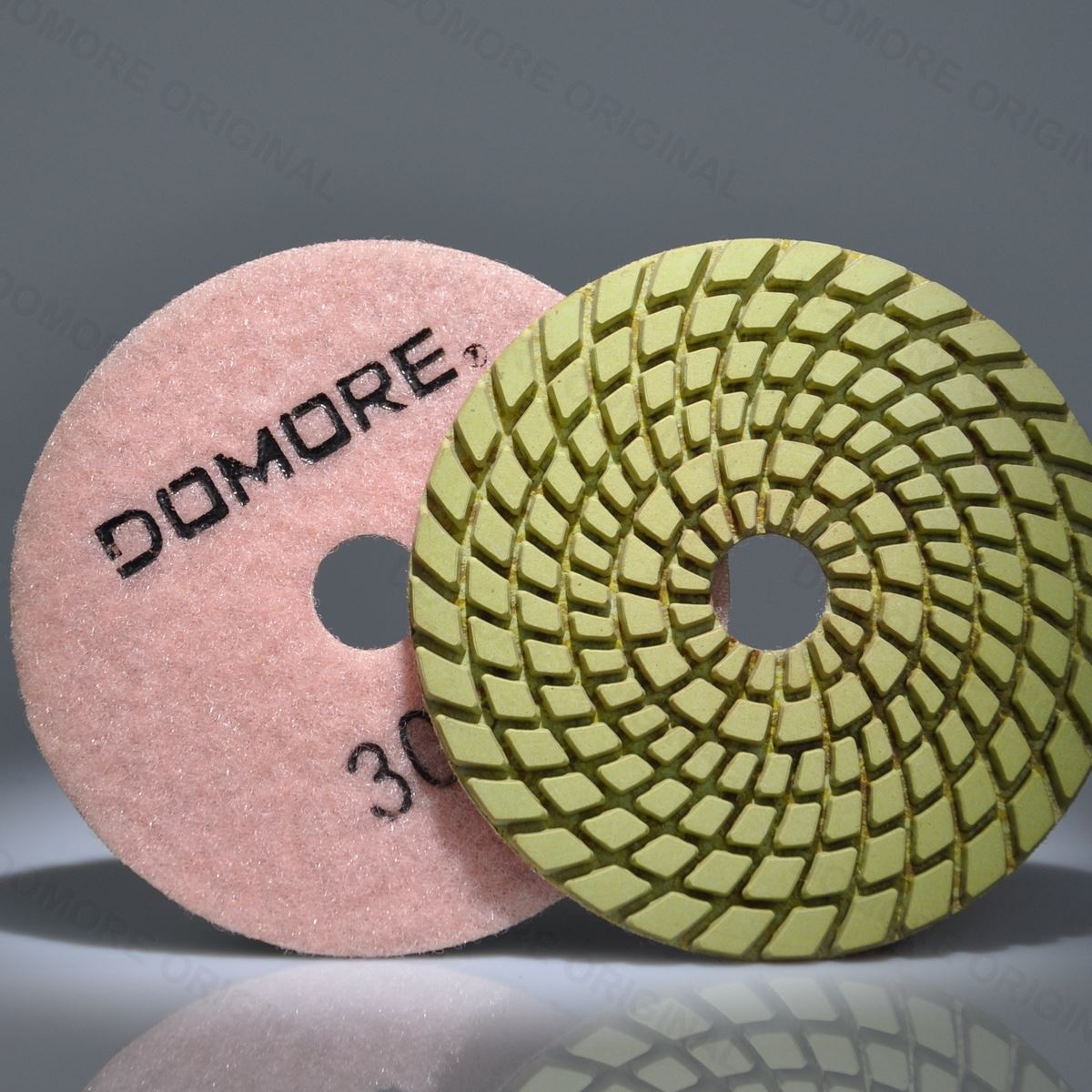
- Custom Shapes & Profiles: Tooling for new pad shapes (e.g., waffle, hex-logic, spider-cut, or specific bevels) is relatively inexpensive compared to hard plastic injection molding.
- Color Coding: Foam can be dyed to match your brand's specific color-coding system for heavy cut, medium polish, and fine finishing.
- Branding: The velour backing can be printed with your logo, part numbers, and RPM recommendations.
Tooling Ownership
When paying for custom cutting dies or molding for specific pad profiles, clearly stipulate in your manufacturing agreement that you own the tooling and the factory cannot use your custom profile for other clients.
Pricing, MOQs, and Lead Times
Pricing for polishing pads is heavily dependent on the origin of the raw foam (European and US foams are often imported by top-tier Chinese assemblers for premium lines) and the complexity of the cut.
Need accurate pricing and lead times for your custom pad designs? We negotiate directly with top-tier manufacturers to secure favorable terms for volume buyers.
Get a free consultationFrequently Asked Questions
Sourcing polishing pads successfully requires moving beyond generic supplier catalogs and actively engineering the product's specifications alongside the factory. By controlling the raw material inputs and enforcing strict assembly tolerances, you can secure a reliable supply of professional-grade accessories that perform consistently under extreme conditions.
Get Sourcing Help for Polishing Pads
Tell us your requirements and our experts will connect you with verified manufacturers.