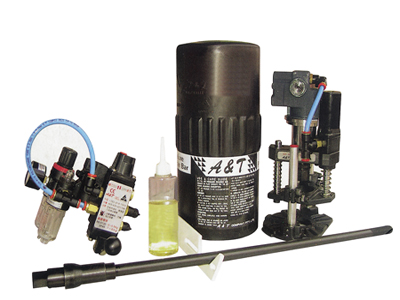
Pneumatic Shears
Source high-performance pneumatic shears directly from vetted manufacturers and wholesale suppliers. Designed for importers, industrial distributors, and hardware brands seeking reliable OEM and private-label production. Compare bulk pricing and secure dependable supply chain partners today.
Sourcing industrial-grade pneumatic shears requires balancing three critical variables: the metallurgy of the cutting blades, the precision of the planetary gear system, and the pneumatic efficiency of the air motor. When buying in bulk, the primary challenge is identifying a factory capable of consistent heat treatment and tight machining tolerances, rather than one simply assembling off-the-shelf components.
Critical Specifications for Bulk Orders
When negotiating with manufacturers, your specification sheet must clearly define the performance boundaries of the tool. Factories often default to standard configurations unless pushed for industrial-grade components.
| Component | Standard / Light Duty | Heavy Industrial Grade |
|---|---|---|
| Blade Metallurgy | Carbon Steel or standard Cr-V | Cr-Mo or High-Speed Steel (HSS) |
| Cutting Capacity (Steel) | Up to 1.2mm (18 gauge) | Up to 1.6mm (16 gauge) or thicker |
| Air Motor Design | Standard 4-vane rotor | Precision 5-vane or 6-vane rotor |
| Housing Material | Basic die-cast aluminum | Ergonomic composite or reinforced alloy |
Air consumption (CFM) and working pressure (typically 90 PSI / 6.2 Bar) must align with your target market's standard compressor setups. Ensure you specify the correct air inlet threading—NPT for North America, BSP for Europe and other regions.
Struggling to verify factory capabilities? We can evaluate supplier technical competence and production consistency before you place an order.
Talk to our teamManufacturing Quality and Common Defects
The difference between a pneumatic shear that lasts a decade and one that fails in a month comes down to factory-level quality control. The planetary gear reduction system, which translates the high-speed air motor rotation into high-torque cutting force, is highly susceptible to premature wear if machining tolerances are loose.
Furthermore, the heat treatment of the center and side blades is paramount. Blades must achieve a hardness of HRC 58 to 62 to maintain a sharp edge without becoming brittle. Inconsistent quenching processes lead to blades that either dull rapidly or snap under torsional load.
To mitigate these risks, rigorous Quality Control & Inspection is essential.
Pre-Shipment Inspection Focus Areas
- Blade hardness testing (HRC verification)
- Air leak detection at the throttle valve and inlet under maximum working pressure
- Run-out and vibration testing of the planetary gear assembly
- Visual inspection of the housing for casting voids or poor anodization
- Verification of cutting capacity on the maximum specified material thickness
Customization and Private Labeling
For brands looking to differentiate, working with a factory that offers comprehensive OEM/ODM Services is highly advantageous. Customization goes beyond simply laser-etching a logo onto the housing.
You can specify custom ergonomic grips (TPR overmolding), proprietary housing colors, and even specialized blade geometries for cutting specific materials like fiberglass, aluminum, or heavy-duty plastics. Keep in mind that custom composite housings will require new injection molds, which will increase your initial lead time and require a tooling deposit.
Pricing, MOQs, and Lead Times
Understanding the realistic procurement landscape helps in negotiating better terms. Pneumatic tools generally require moderate order volumes to justify the assembly line setup.
Unit costs are heavily driven by the blade material and the precision of the air motor. A shift from standard Cr-V blades to Cr-Mo can increase the unit cost but drastically reduces warranty claims.
Need to consolidate pneumatic tool shipments from multiple factories? We manage complex supply chains to optimize your freight and unit costs.
Get a free consultationFrequently Asked Questions
Evaluating a pneumatic shear manufacturer means looking past the polished housing and examining their metallurgical competence and machining precision. Partnering with a factory that understands the rigorous demands of industrial environments ensures your product line remains profitable and respected in the market.
Get Sourcing Help for Pneumatic Shears
Tell us your requirements and our experts will connect you with verified manufacturers.