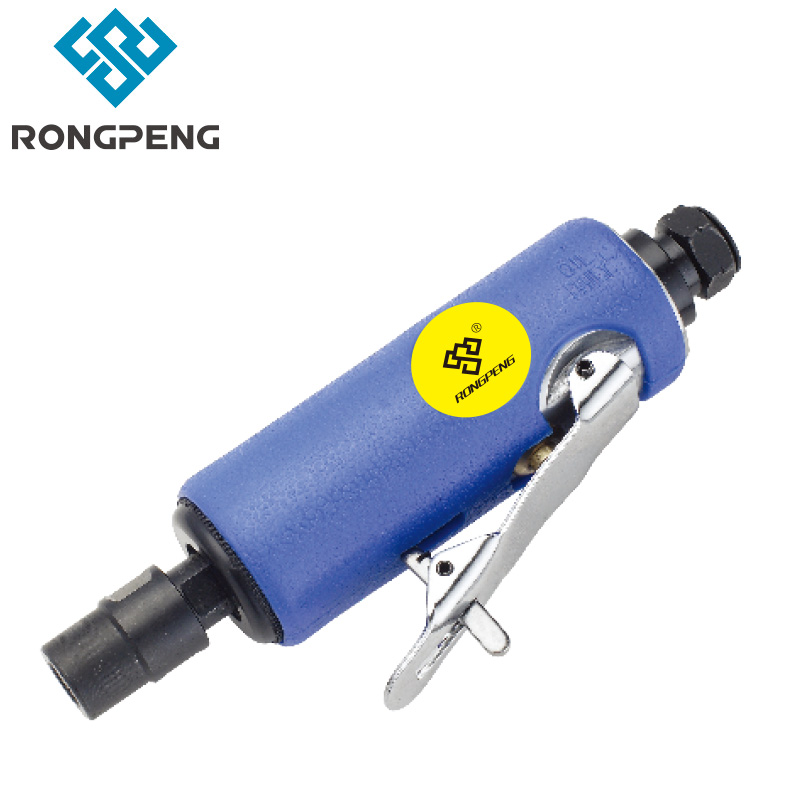
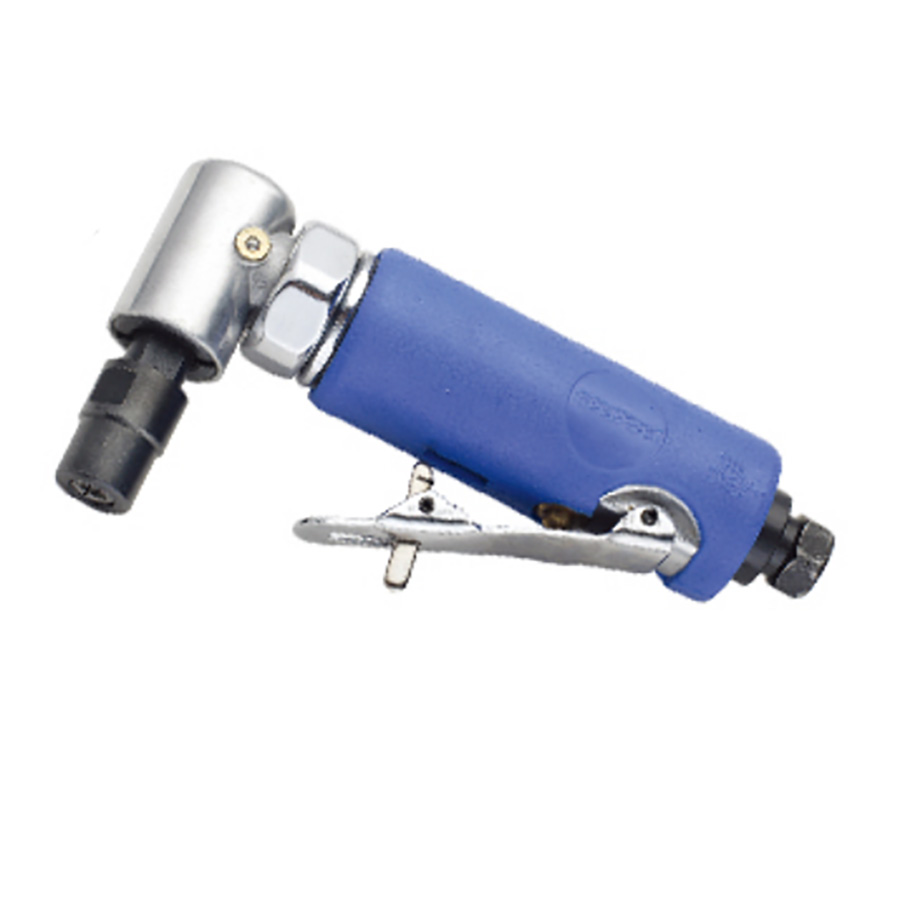
Pneumatic Grinders
Source high-performance pneumatic grinders from vetted suppliers and manufacturers. Designed for industrial importers, tool distributors, and brands seeking reliable OEM production, our network delivers bulk supply with strict quality control. Secure competitive pricing and scalable manufacturing for your air tool catalog.
Sourcing industrial-grade pneumatic grinders requires navigating a supplier landscape where external appearances often mask internal compromises. The core challenge in bulk procurement is ensuring consistent performance under continuous load. This demands precise machining of the air motor components, reliable bearing assemblies, and strict adherence to runout tolerances.
Critical Specifications for Pneumatic Grinders
When negotiating with manufacturers, vague specifications lead to inconsistent batches. Professional buyers must define the internal mechanical requirements before discussing housing designs or packaging.
- Air Consumption and Pressure: Specify the exact SCFM (Standard Cubic Feet per Minute) at the standard 90 PSI (6.2 bar) operating pressure. Mismatched air consumption ratings are a common issue with lower-tier suppliers.
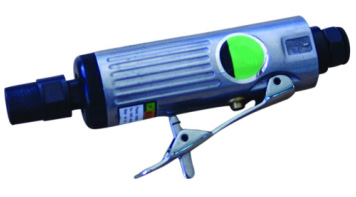
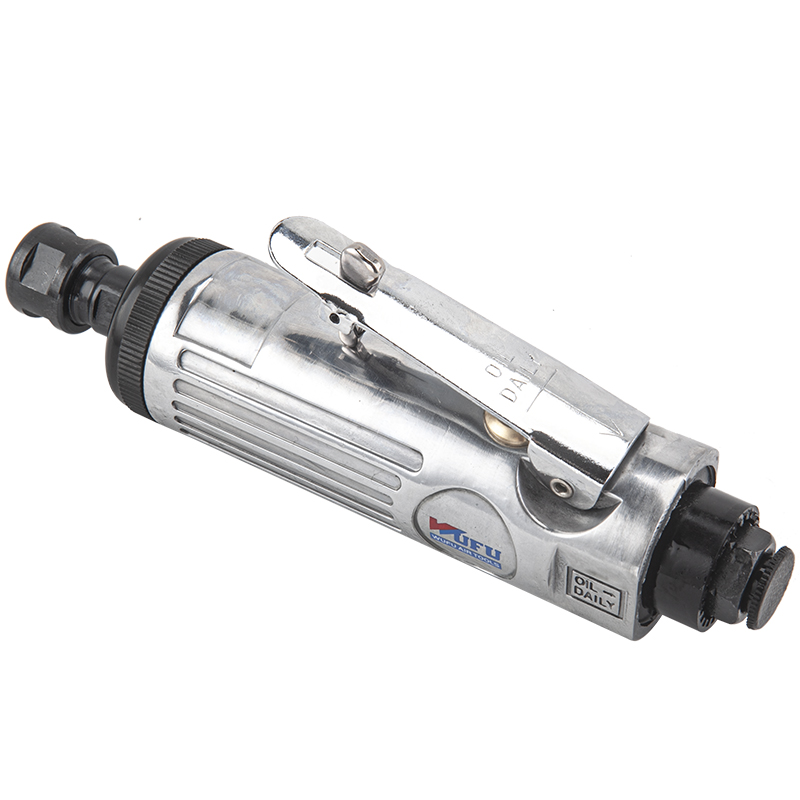
- Spindle Runout Tolerances: For die grinders, excessive runout causes vibration, poor surface finishes, and rapid burr wear. Specify maximum allowable runout (e.g., under 0.05mm) and require the factory to document their testing methodology.
- Power Output: Define the required horsepower (HP) or wattage. This dictates the size of the air motor cylinder and the rotor dimensions.
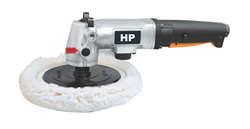
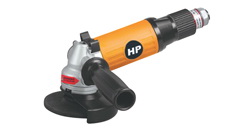
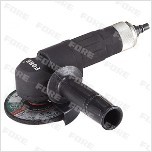
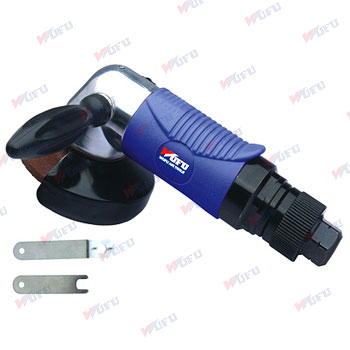
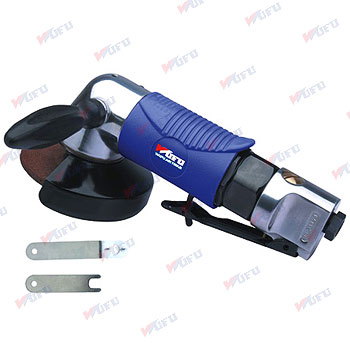
- Free Speed vs. Governed Speed: For larger angle grinders, centrifugal speed governors are critical for safety to prevent abrasive wheels from over-speeding.
| Feature | Standard Commercial | Heavy-Duty Industrial |
|---|---|---|
| Bearings | Generic carbon steel | Precision-rated (e.g., NSK/SKF) |
| Rotor Vanes | Standard nylon/plastic | Kevlar or phenolic resin |
| Cylinder Honing | Single-pass finish | Multi-pass micro-honed |
| Housing Material | Die-cast aluminum | Advanced composite or forged alloy |
Need help verifying factory capabilities? Let us match you with manufacturers that meet strict industrial tolerances.
Talk to our teamManufacturing Processes and Quality Control
The durability of a pneumatic grinder is won or lost on the factory floor, specifically in the CNC machining center and during heat treatment. The rotor, cylinder, and end plates must be machined to exact parallel and perpendicular tolerances to prevent air leakage and ensure maximum torque.
Conducting thorough factory audits is essential to verify that a supplier actually possesses the high-precision CNC equipment they claim, rather than outsourcing the critical air motor components to cheaper sub-suppliers.
Key Factory-Level QC Checks
Pre-Shipment Inspection Focus Areas
- Verify dynamic balancing of the rotor assembly to prevent excessive vibration.
- Check the hardness of the planetary gears (if applicable) and the spindle.
- Measure spindle runout with a dial indicator on a randomized batch sample.
- Test the function and engagement of the safety lock-off throttle.
- Confirm the presence and calibration of the speed governor on larger models.
Catching defects before the container is loaded is much more cost-effective than handling returns. Implementing structured quality control & inspection protocols ensures that every batch meets your specified vibration and noise emission standards.
Customization and OEM/ODM Production
For brands looking to differentiate their product lines, pneumatic grinders offer several avenues for customization through OEM/ODM services.
Beyond simple color changes and logo lasering, buyers can specify ergonomic composite housings, custom exhaust routing (rear vs. front exhaust), and specialized throttle designs. When developing a custom housing, ensure the manufacturer has experience with the specific composite injection molding required to maintain structural integrity under high pneumatic pressure and impact.
Pricing Drivers, MOQs, and Lead Times
Pricing for pneumatic grinders varies significantly based on the internal components rather than the external size. Upgrading to premium Japanese or European bearings, integrating a high-quality speed governor, and specifying phenolic rotor vanes will increase the unit cost but drastically reduce warranty claims.
Optimize your procurement strategy with transparent pricing and vetted factory direct relationships.
Get a free consultationFrequently Asked Questions
Securing a reliable supply of pneumatic grinders is about looking past the housing and focusing on the precision of the air motor. By defining strict tolerances and validating factory capabilities early in the sourcing process, you protect your margins and your brand's reputation for quality.
Get Sourcing Help for Pneumatic Grinders
Tell us your requirements and our experts will connect you with verified manufacturers.