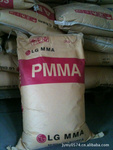
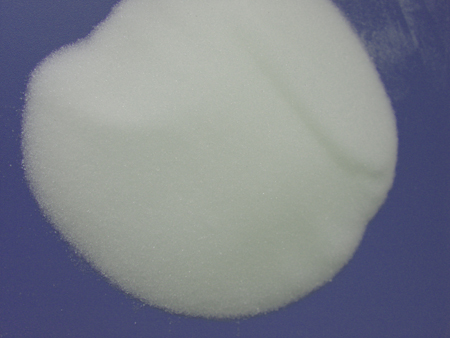
PMMA
Source premium PMMA from vetted suppliers and manufacturers across Asia. Designed for importers, distributors, and brands requiring reliable bulk engineering plastics for OEM and private-label production. Secure competitive pricing and consistent quality for your high-volume manufacturing needs.
Sourcing Polymethyl Methacrylate (PMMA) resin at scale requires strict control over optical properties, melt flow rates, and thermal stability. Whether you are feeding injection molding lines for automotive light covers, extruding optical-grade sheets, or producing medical devices, variations in the raw material can lead to yellowing, flow marks, or compromised mechanical strength. Navigating the Asian petrochemical and compounding market means distinguishing between commodity-grade acrylics and high-performance engineering resins.
Critical Specifications for PMMA Resin
When procuring PMMA in bulk, matching the resin's technical data sheet (TDS) to your specific processing method (injection molding vs. extrusion) and end-use application is non-negotiable.
Buyers must carefully specify the following parameters to the manufacturer:
- Melt Flow Rate (MFR / MFI): Expressed in g/10min. High-flow grades (e.g., 10-15 g/10min) are necessary for complex, thin-walled injection molding, while low-flow grades (under 3 g/10min) are required for profile and sheet extrusion to maintain melt strength.
- Optical Clarity and Haze: For optical applications like light guide panels (LGP) or lenses, light transmittance must exceed 92 percent, with haze levels kept strictly under 1 percent.
- Impact Strength: Standard PMMA is brittle. If the application requires durability (e.g., automotive taillights), you must specify impact-modified grades. Note that increasing impact modifiers generally decreases optical clarity slightly.
Struggling to find consistent, optical-grade PMMA from reliable Asian compounding facilities? Let us help you secure the right specifications.
Talk to our teamManufacturing Quality and Defect Control
The polymerization method—typically suspension or continuous bulk polymerization—dictates the resin's purity and molecular weight distribution. Bulk polymerization generally yields higher optical purity and fewer residual monomers, making it ideal for high-end optical applications.
However, quality is often lost during compounding, packaging, and storage. PMMA is mildly hygroscopic and prone to static charge, which attracts dust. Partnering with a supplier that maintains strict cleanroom environments for optical grades is critical. Implementing rigorous quality control & inspection protocols before the resin leaves the factory prevents costly processing failures down the line.
Pre-Shipment Quality Checks for PMMA
- Verify Melt Flow Index (MFI) consistency across multiple batch samples.
- Check for black spots or contamination (critical for optical grades).
- Confirm moisture content is within specification (typically under 0.05 percent) prior to sealing.
- Test yellowing index (YI) to ensure thermal stability during processing.
- Ensure packaging uses moisture-barrier aluminum foil bags, especially for long transit times.
Pricing Drivers, MOQs, and Lead Times
The price of PMMA resin is highly volatile, tethered directly to the cost of crude oil and its primary monomer, Methyl Methacrylate (MMA).
| Grade Type | Typical Application | Relative Cost Premium |
|---|---|---|
| General Purpose (GP) | Signage, basic homewares | Baseline |
| High Heat Resistant | Automotive lighting, outdoor fixtures | Moderate (+10-15%) |
| Optical Grade | LGP, lenses, displays | High (+20-30%) |
| Impact Modified | Extruded profiles, durable goods | High (+20-30%) |
Minimum Order Quantities (MOQs): For standard general-purpose injection or extrusion grades, factories typically set MOQs at 1 to 5 metric tons. However, custom compounded grades (specific UV stabilization packages, custom tints, or precise impact modifications) often require minimum runs of 10 to 20 metric tons. To achieve the most competitive wholesale pricing, buyers should aim for Full Container Loads (FCL), which also minimizes moisture exposure during transit.
Lead Times: Standard grades are often in stock or require 7 to 14 days for dispatch. Custom compounds generally require 3 to 4 weeks of production time. Running a smooth supply chain requires factoring in these production lead times alongside international freight schedules. Engaging an experienced partner for product sourcing can help you negotiate favorable terms and secure allocation during MMA monomer shortages.
Ready to optimize your raw material procurement? We manage supplier vetting, price negotiation, and logistics for high-volume plastics buyers.
Get a free consultationFrequently Asked Questions
Consistent manufacturing starts with consistent raw materials. When sourcing PMMA in bulk, the cheapest per-ton price frequently masks poor batch-to-batch consistency or inadequate moisture protection. By working with vetted compounding facilities and enforcing strict pre-shipment testing, you protect your production lines from costly downtime and defect rates.
Get Sourcing Help for PMMA
Tell us your requirements and our experts will connect you with verified manufacturers.