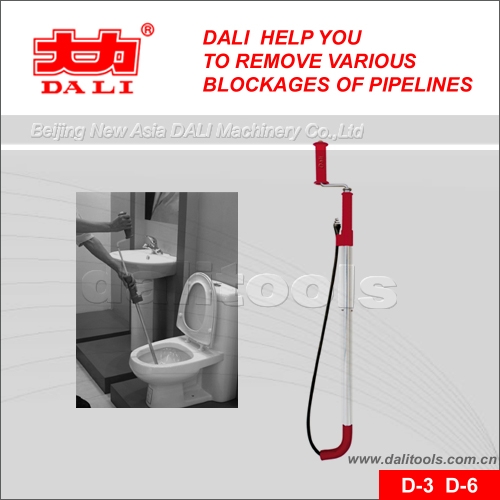
Plumbing Hoses
Source high-quality plumbing hoses in bulk from vetted manufacturers and wholesale suppliers across Asia. Built for importers, distributors, and brands requiring OEM or private-label production, this catalog features reliable supply chains for residential, commercial, and industrial plumbing applications.
Sourcing plumbing hoses at scale requires navigating a highly fragmented manufacturing base where external appearance often masks internal material compromises. For bulk buyers, the core challenge is securing consistent crimp integrity and verifying raw material grades to prevent catastrophic leaks, water damage, and expensive liability claims in your target market.
Inner Tube Materials and Specifications
The hidden core of any braided flexible hose determines its longevity, temperature resistance, and regulatory viability. Specifying the wrong inner tube material is the most common cause of premature failure and compliance rejection.
| Inner Material | Temperature Rating | Primary Application |
|---|---|---|
| EPDM | Up to 90°C | Standard hot/cold water supply, general plumbing |
| PEX | Up to 95°C | High-end residential, strict drinking water compliance |
| PVC | Up to 60°C | Low-cost cold water lines, bidet hoses, shower hoses |
| Silicone | Up to 100°C+ | Specialty medical or high-temperature commercial |
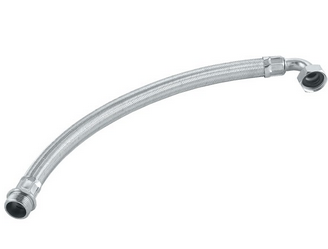
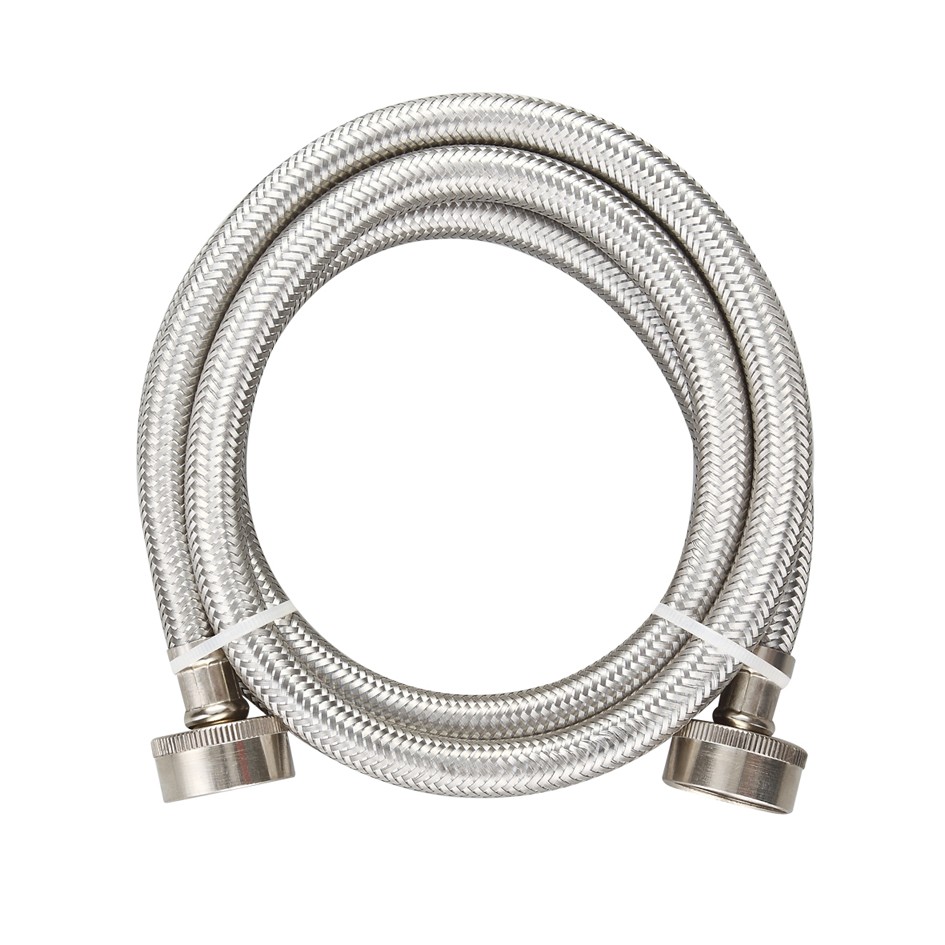
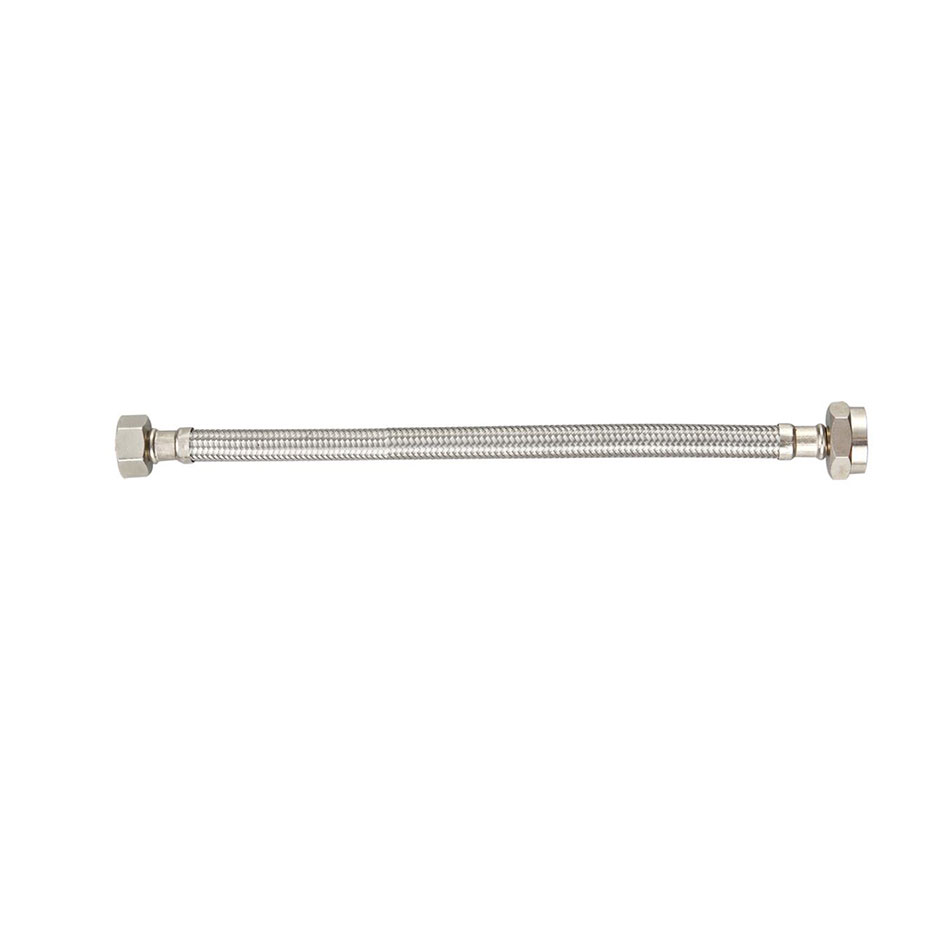
Beyond the inner tube, the outer braiding and connection nuts dictate structural integrity. Buyers must clearly specify the wire material—typically 304 stainless steel for corrosion resistance, though factories may quietly substitute 201 stainless steel or aluminum wire to cut costs. Connection nuts should be forged brass (CW617N or equivalent) rather than cheaper, brittle zinc alloys.
Need to verify your supplier is using genuine 304 stainless steel and non-toxic EPDM? We manage supplier vetting and material verification on the ground.
Talk to our teamManufacturing Quality and Defect Prevention
Quality is won or lost during the braiding and crimping stages. Uneven braiding tension leads to weak spots where the inner tube can balloon and burst under pressure. Similarly, poor crimping at the connection points is the leading cause of blow-offs.
When evaluating a factory's capability, or conducting factory audits, focus on their automated assembly and testing equipment.
Critical Factory Floor Checks
- Wire Annealing: Ensure the stainless steel wire is properly annealed to prevent snapping during the braiding process.
- Crimping Precision: Verify the factory uses automated, hydraulic crimping machines with regular calibration schedules.
- Nut Threading: Check that thread tolerances (e.g., G1/2, F3/8) are machined precisely to avoid cross-threading and micro-leaks.
- Inline Testing: Look for 100% air-pressure or water-pressure testing on the assembly line before packaging.
Compliance and Market Certifications
Plumbing components are heavily regulated. If you are importing to North America, your hoses must meet cUPC and NSF/ANSI 61 (lead-free and drinking water safe) standards. European markets require WRAS (UK), ACS (France), or DVGW (Germany). WaterMark is mandatory for Australia. Partnering with a factory that already holds these certifications reduces your time to market, though you may still need independent compliance and testing to ensure ongoing batch consistency.
Pricing, MOQs, and Lead Times
Plumbing hoses are high-volume, low-margin commodities. Pricing fluctuates directly with the LME copper/brass indexes and stainless steel commodity prices.
To achieve better pricing without compromising on brass fittings or 304 stainless wire, buyers typically consolidate multiple lengths (e.g., 30cm, 40cm, 50cm) and thread specifications under a single factory order. Strict quality control including burst-pressure and salt-spray testing must be implemented pre-shipment, as defects in this category carry disproportionate liability risks.
Looking to consolidate your plumbing hardware supply chain, negotiate better terms, or implement strict pre-shipment testing? Let's discuss your procurement strategy.
Get a free consultationBuyer FAQ
Securing a reliable supply of plumbing hoses requires vigilance. The savings gained by accepting zinc nuts or lower-grade wire are quickly erased by a single container rejection or a customer liability claim. Success in this category relies on crystal-clear specifications, verifiable material grades, and rigorous inline testing.
Get Sourcing Help for Plumbing Hoses
Tell us your requirements and our experts will connect you with verified manufacturers.