Plugs & Sockets
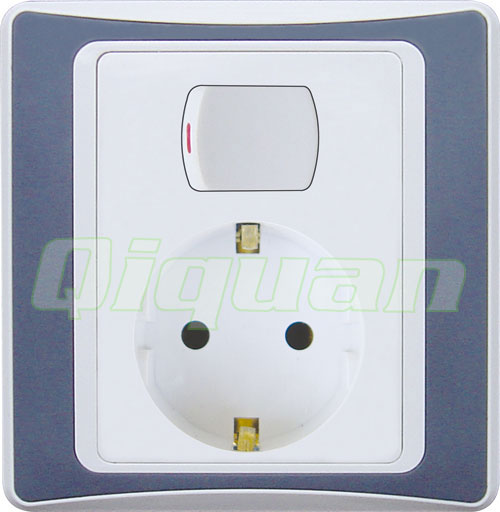
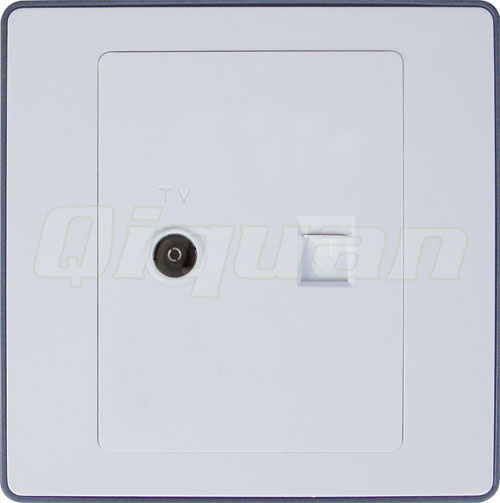
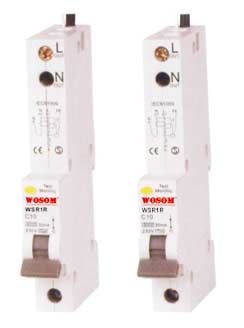
Source high-quality, compliant plugs and sockets directly from vetted manufacturers in Asia. Designed for importers, electrical distributors, and brands requiring OEM or private-label production, our network delivers reliable bulk supplies. Secure competitive wholesale pricing while ensuring strict adherence to international safety standards.
Sourcing electrical plugs and sockets at scale goes far beyond negotiating the lowest unit cost. Because these components are the primary interface between line voltage and user devices, they carry immense liability. A single failure in fire retardancy or pin conductivity can lead to recalled shipments, customs seizures, or severe safety hazards. Success in this category requires strict adherence to regional safety standards, precise material specifications, and rigorous quality control at the factory level.
Critical Material Specifications
The difference between a compliant, durable plug and a fire hazard usually comes down to raw materials. When negotiating with manufacturers, you must specify the exact grades of plastics and metals to be used. Factory defaults often lean toward cost-saving alternatives unless you explicitly state otherwise.
| Component | Compliant / Premium Standard | High-Risk Budget Alternative |
|---|---|---|
| Housing Material | Polycarbonate (PC) or Nylon – Passes 850°C glow wire tests | ABS or PP – Melts at lower temperatures, fails strict fire codes |
| Conductive Pins | Solid Brass (H59 or H62) – Excellent conductivity, low heat generation | Brass-plated steel or hollow pins – High resistance, overheats under load |
| Internal Terminals | Phosphor bronze – High fatigue resistance for repeated use | Standard brass – Loses tension over time, causing loose connections |
Need to verify a supplier's material certificates and production capability before placing a volume order?
Talk to our teamManufacturing & Quality Control
The production of plugs and sockets relies heavily on precision injection molding and automated assembly. Poorly maintained molds result in plastic flash (excess material) that can interfere with the plug's insertion or compromise the structural integrity of the housing.
Furthermore, the assembly of internal terminals and pins must be exact. Automated assembly lines are vastly superior to manual assembly in this category, as machines can apply consistent torque to terminal screws and ensure pins are seated at the exact required depth.
When conducting Quality Control & Inspection, your pre-shipment checklist should go beyond visual defects and include functional and stress testing.
Critical Factory-Level Tests
- Glow Wire Testing: Ensures the plastic housing self-extinguishes and does not propagate flames.
- Insertion and Extraction Force: Tested over thousands of cycles to ensure pins do not loosen and sockets maintain grip.
- Dielectric Voltage Withstand: Applying high voltage to ensure insulation materials do not break down.
- Temperature Rise Testing: Running maximum rated current through the plug to verify it stays within safe temperature limits.
Navigating Global Certifications
Electrical accessories are among the most heavily regulated imports globally. Customs authorities and domestic market regulators actively look for compliance documentation.
- North America: Requires UL or cUL listing, adhering to NEMA configurations.
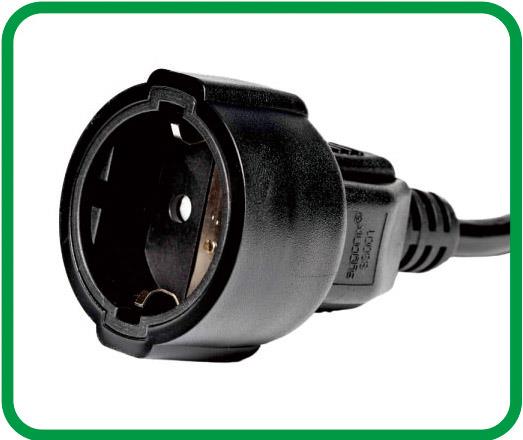
- Europe: Must meet CE requirements, often supplemented by VDE (Germany) or NF (France) marks depending on the target market.
- United Kingdom & Middle East: Must comply with BS 1363 (requiring fused plugs) and often ASTA certification.
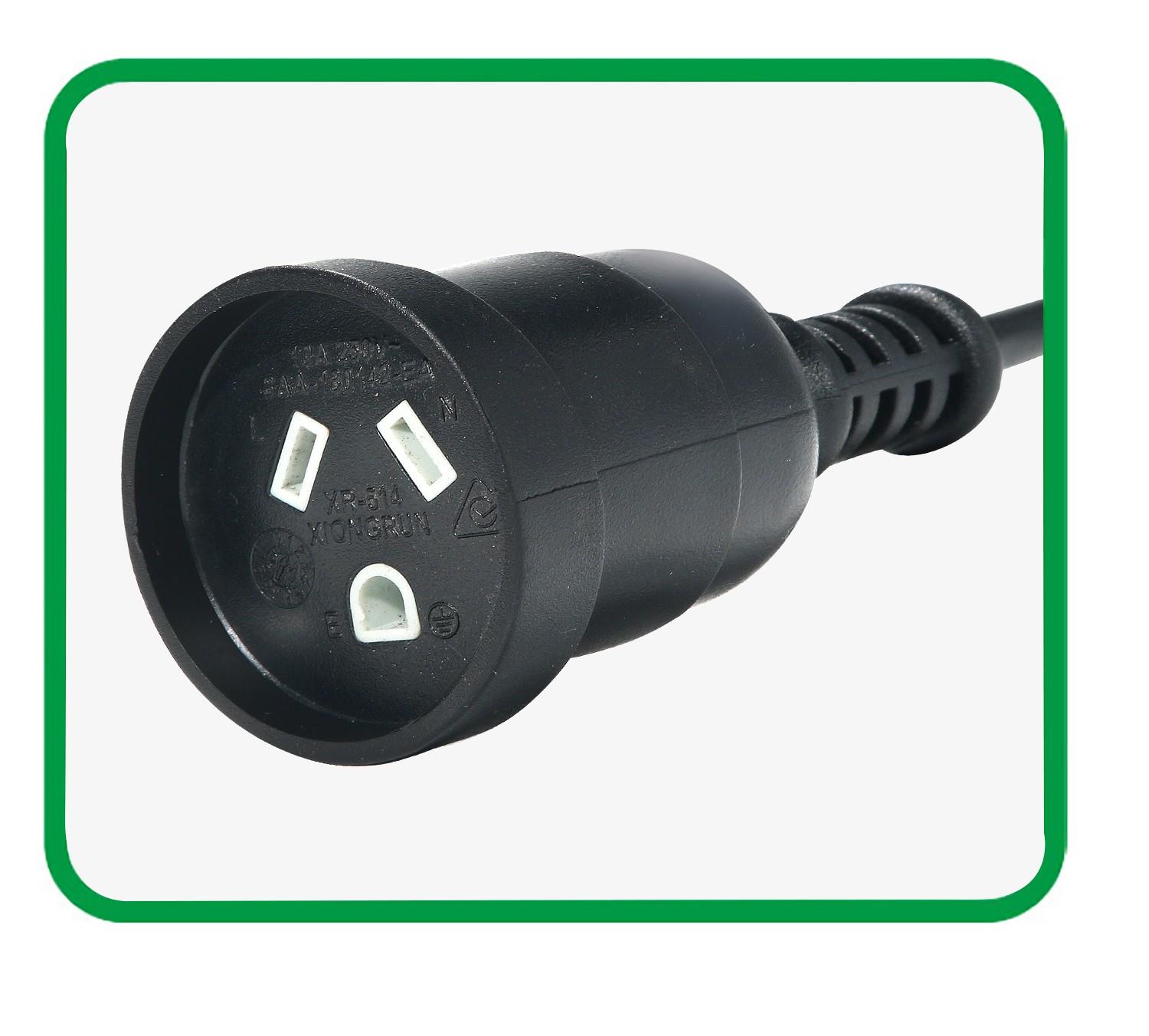
- Australia & New Zealand: Requires SAA approval.
Verification is Mandatory
Never take a supplier's certification documents at face value. Always verify the certificate number directly with the testing laboratory's database (such as the UL Product iQ). Invalid or expired certificates will result in your goods being seized at the port of entry.
If you are developing a custom product, you will need to budget for the time and cost of laboratory testing. Integrating Compliance & Testing into your product development timeline is essential to avoid launch delays.
Buying Mechanics: MOQs, Lead Times, and Pricing
Understanding the baseline mechanics of the supply chain helps in planning your procurement cycles and negotiating effectively.
Pricing in this category is highly sensitive to commodity markets, specifically the global price of copper and brass. If copper prices spike, expect manufacturers to adjust their quotes or, worse, attempt to secretly thin out the pins or wires to maintain margins.
If you are utilizing OEM/ODM Services to create a proprietary plug design, expect to pay upfront for the injection molds. Tooling costs can range from a few thousand dollars to over ten thousand, depending on the number of cavities and the complexity of the design.
Looking to develop a custom design or negotiate better terms with reliable electrical manufacturers?
Get a free consultationFrequently Asked Questions
Successfully importing electrical plugs and sockets requires vigilance at every stage—from specifying the exact brass grade to verifying the final laboratory certificates. By partnering with experienced sourcing professionals to handle Product Sourcing and on-site factory verification, you protect your supply chain from costly compliance failures and ensure consistent, safe product delivery.
Get Sourcing Help for Plugs & Sockets
Tell us your requirements and our experts will connect you with verified manufacturers.