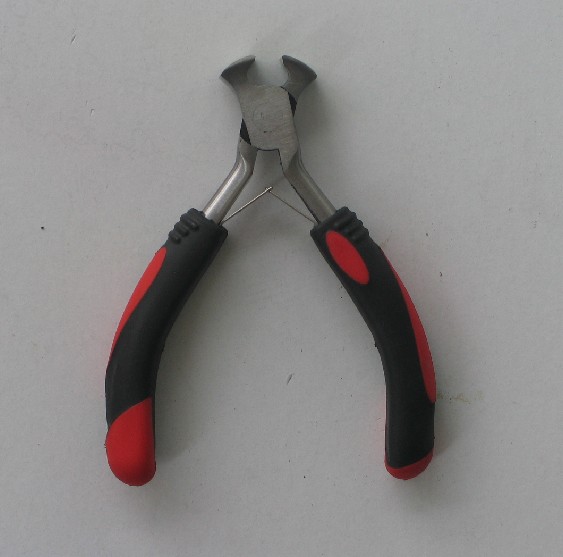
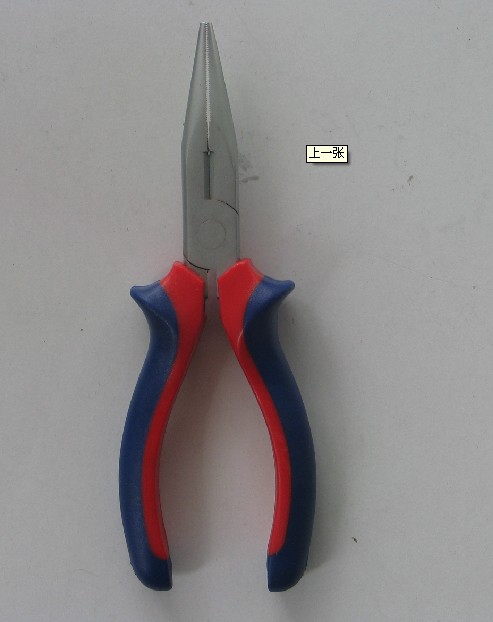
Pliers
Source professional-grade pliers directly from vetted manufacturers and wholesale suppliers. Designed for importers, distributors, and hardware brands seeking bulk procurement or OEM and private-label production. Ensure reliable quality, competitive pricing, and certified manufacturing for your hand tool supply chain.
Sourcing pliers in volume requires a strict balance between unit cost and metallurgical integrity. A tool that chips at the cutting edge or develops lateral joint play after minimal use damages brand reputation instantly. For bulk buyers, success depends on controlling the steel grade, the precision of the forging process, and the exact parameters of the factory's heat treatment protocols.
Metallurgical Specifications and Steel Grades
The foundation of any hand tool is the steel blank. In Chinese manufacturing hubs, suppliers typically offer two main tiers of steel for pliers, which dictate both the price point and the target market.
| Specification | High Carbon Steel (55# / 60#) | Chrome Vanadium (60CrV) |
|---|---|---|
| Target Market | DIY, Promotional, Budget | Professional, Industrial, Automotive |
| Wear Resistance | Moderate | Excellent |
| Typical Hardness (Body) | HRC 40-45 | HRC 44-48 |
| Cost Premium | Baseline | Add 20-35% over Carbon |
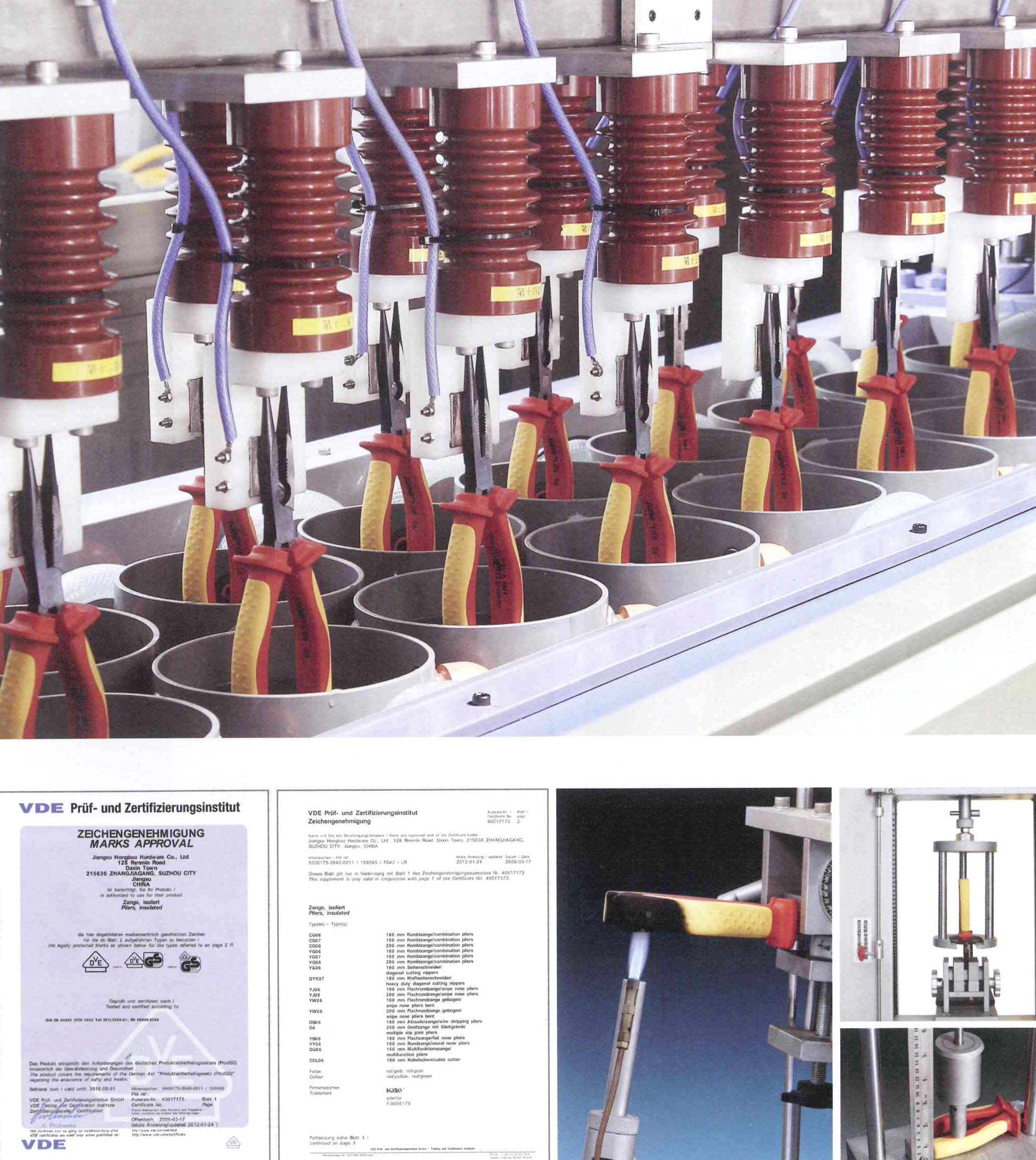
Specifying the steel grade is only the first step. The critical performance factor is the heat treatment. Professional-grade pliers require a two-step hardening process: bulk hardening for the entire tool body to provide structural toughness, followed by high-frequency induction hardening specifically on the cutting edges to achieve HRC 58-62. If a factory skips the induction hardening to save costs, the cutting edges will flatten or notch during use.
Need help verifying supplier metallurgy and heat treatment capabilities? Let us help you audit and select the right manufacturing partner.
Talk to our teamManufacturing Tolerances and Quality Control
The most common defect in mass-produced pliers is poor joint machining. The pivot (rivet) must be perfectly aligned. If the broaching (the machining of the interlocking joint surfaces) is imprecise, the factory will often over-tighten the rivet to compensate, resulting in stiff operation. Alternatively, a loose rivet causes the jaws to misalign under torque.
Implementing robust Quality Control & Inspection is essential before the goods leave the factory.
Critical Pre-Shipment Inspection Points for Pliers
- Light Leakage Test: Hold closed jaws to a light source; cutting edges must meet evenly with zero light leakage.
- Joint Play: Apply lateral force to the handles; there should be zero discernible wobble at the rivet.
- Hardness Testing: Verify body hardness (HRC 44-48) and cutting edge hardness (HRC 58-62) using a Rockwell hardness tester.
- Opening Action: Pliers must open smoothly under their own weight or with minimal one-handed pressure.
- Finish Integrity: Inspect for uniform plating or coating, ensuring no bare steel is exposed to prevent premature oxidation.
Customization and OEM Options
For brands running private-label programs, customizing the grips and finishes is how you differentiate in a crowded hardware market. Through comprehensive OEM/ODM Services, you can specify exactly how the tool looks and feels.
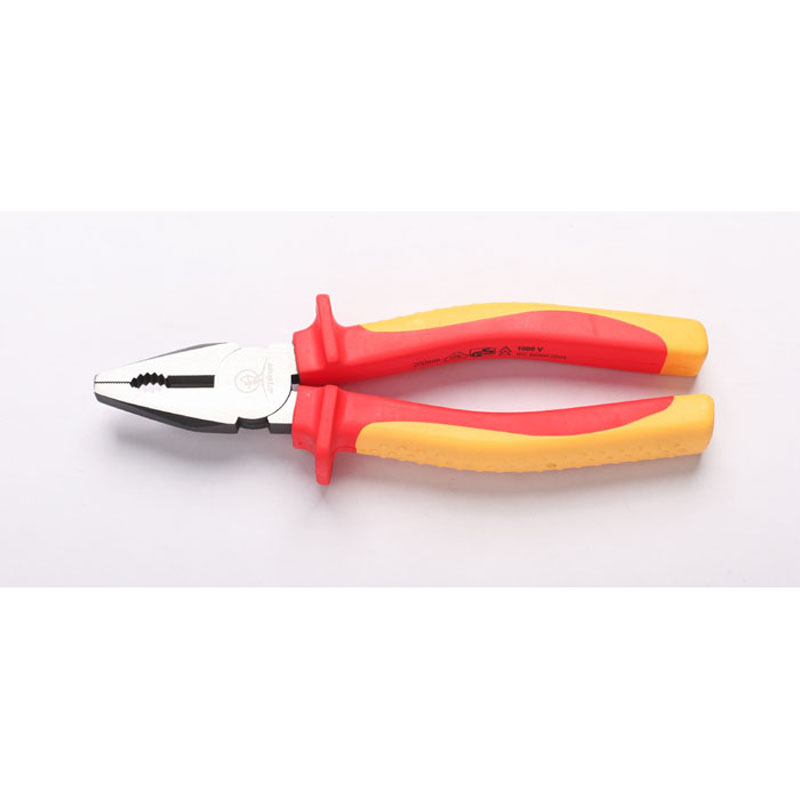
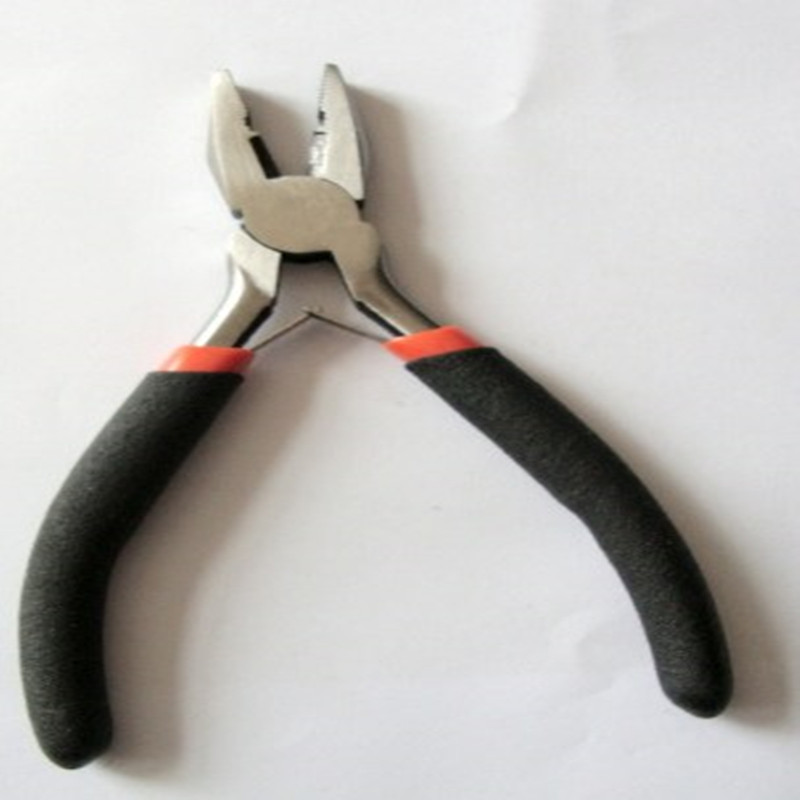
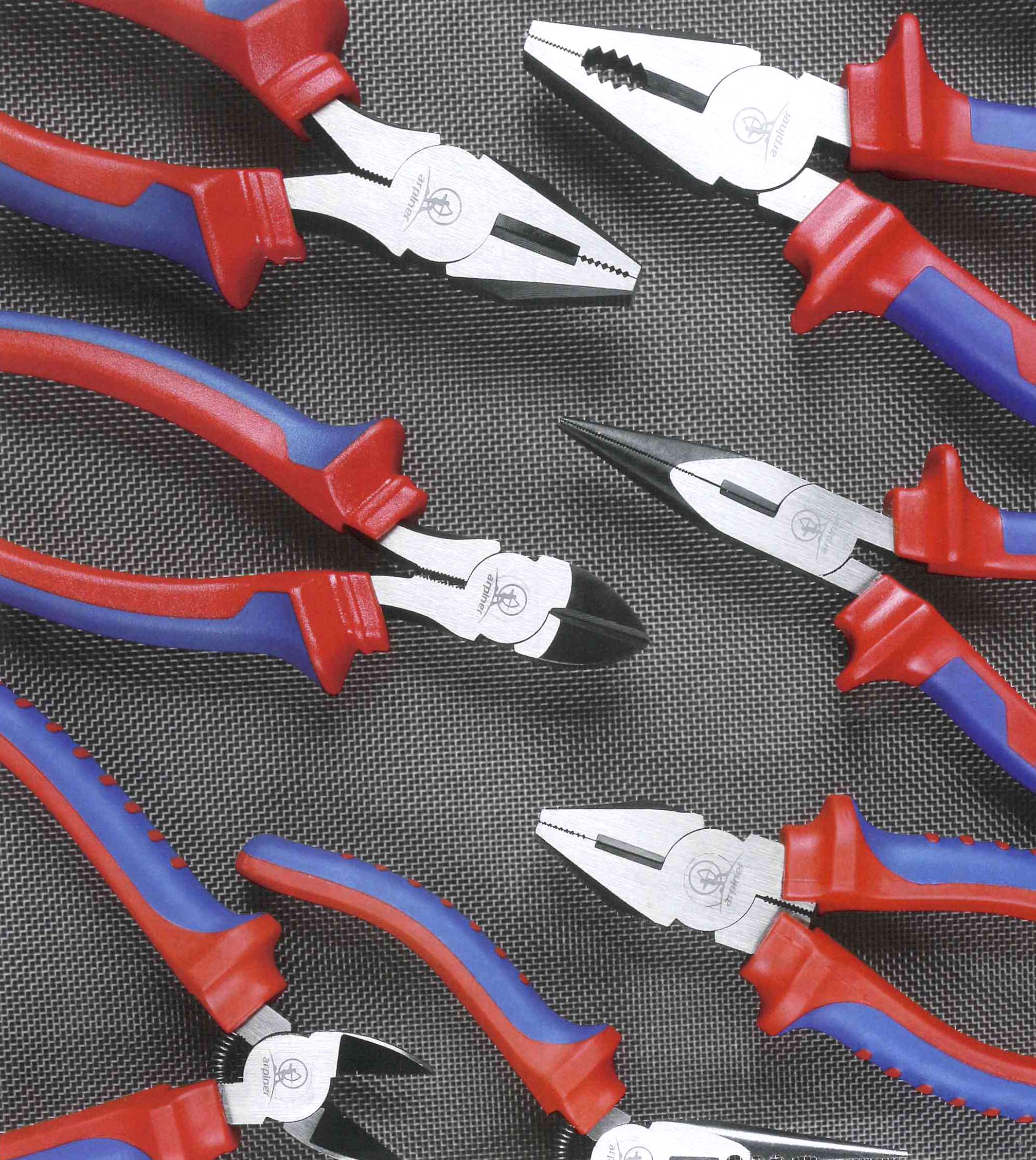
- Handle Materials: Standard PVC dip handles are cost-effective but offer less ergonomic comfort. Bi-material injection handles (TPR + PP) provide superior grip, chemical resistance, and allow for dual-color brand matching.
- Surface Finishes: Options include fine polishing, nickel-iron plating (excellent rust resistance), black phosphate (common for industrial tools), and electrophoretic coating.
Pricing, MOQs, and Lead Times
Because pliers are manufactured using heavy forging dies and injection molds for the handles, factories require minimum order quantities to justify the setup time.
When negotiating pricing, understand that the cost of raw steel and the exchange rate are the primary variables. Quotes should always be tied to a specific validity period (usually 30 days) and clearly state the packaging method (e.g., sliding card, double blister, or bulk polybag), as packaging significantly impacts volumetric weight for shipping.
Planning a bulk tool order? We can negotiate MOQs, manage production timelines, and ensure your specifications are met exactly.
Get a free consultationRegional Sourcing Hubs in China
Not all tool factories are created equal. China’s hand tool manufacturing is highly regionalized.
- Zhangjiagang (Jiangsu): Known for premium quality, advanced metallurgy, and factories that supply major Western brands.
- Linyi (Shandong): The volume hub for mass-market and budget-friendly tools.
- Jinhua (Zhejiang): A middle-ground offering good balances of cost and quality, particularly strong in DIY assortments.
Choosing the right region depends entirely on your market positioning. Conducting thorough Factory Audits is highly recommended to verify whether a supplier is a true manufacturer or a trading company marking up inferior goods.
Successfully sourcing pliers at scale means looking past the surface finish and verifying the engineering beneath. By controlling the steel grade, enforcing strict machining tolerances, and auditing the heat treatment process, you protect your brand from costly field failures and returns.
Get Sourcing Help for Pliers
Tell us your requirements and our experts will connect you with verified manufacturers.