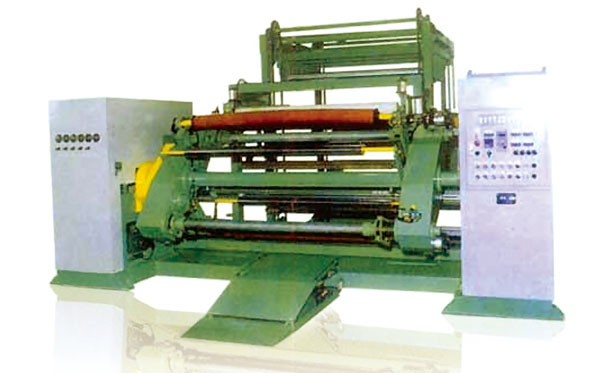
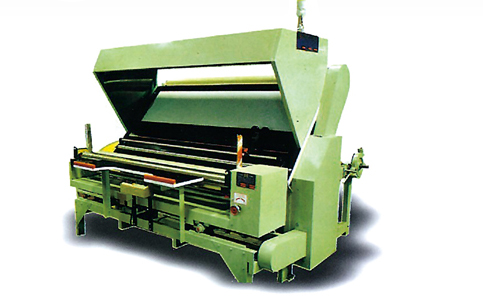
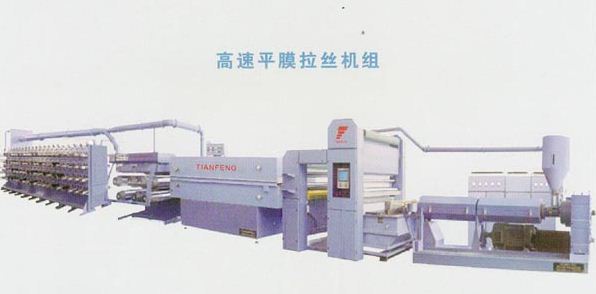
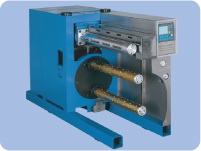
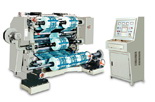
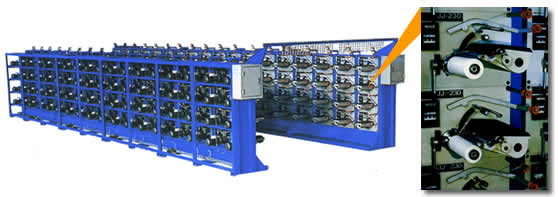
Plastic Winding Machines
Source high-performance Plastic Winding Machines from vetted manufacturers and suppliers. Designed for importers, distributors, and brands seeking reliable bulk procurement and OEM production, our network delivers precision winding equipment tailored to your extrusion lines and operational needs.
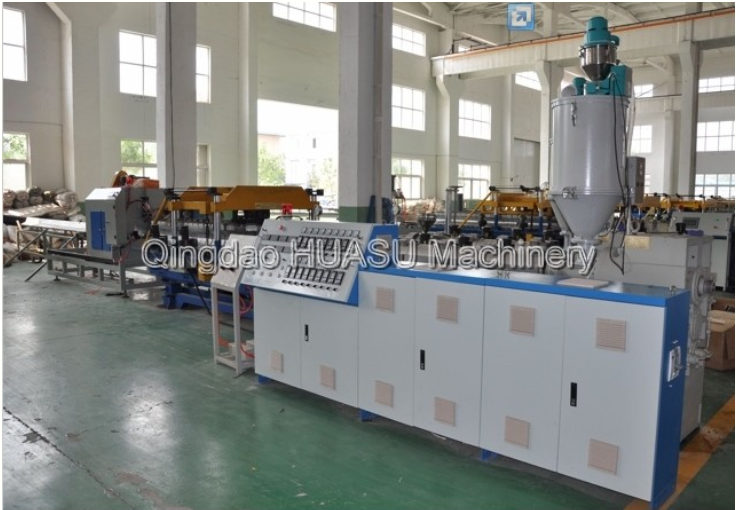
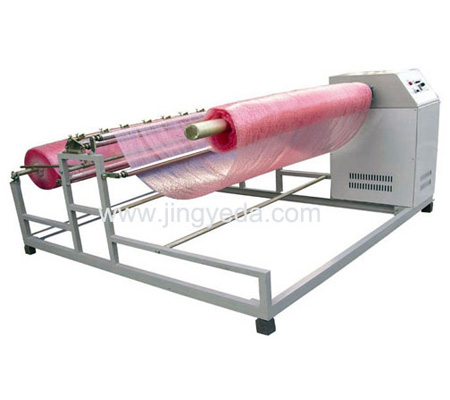
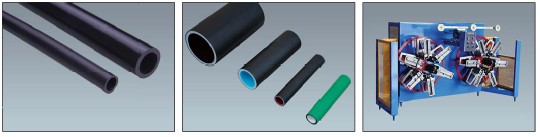
Sourcing plastic winding machines requires exact alignment between the winder's capabilities and the output of the upstream extrusion line. Whether you are coiling flexible PVC hoses, rigid PE pipes, or delicate plastic films, the critical challenge lies in maintaining consistent tension and speed synchronization. A mismatch here leads to stretched profiles, crushed pipes, or uneven coils that fail downstream quality checks. Procuring the right equipment means navigating a complex matrix of drive systems, automation levels, and control interfaces.
Critical Specifications for Winding Equipment
When specifying a winding machine to a manufacturer, generic requests will result in generic, often incompatible machinery. The winder must be engineered to match your specific material characteristics and line speeds.
Key parameters you must define include the maximum winding speed (meters per minute), coil inner and outer diameters, and the maximum coil weight. More importantly, the drive mechanism dictates the machine's tension control capabilities.
| Drive System | Typical Application | Tension Accuracy | Cost Profile |
|---|---|---|---|
| Torque Motor | Thick-walled pipes, heavy hoses | Moderate | Economical |
| Servo Motor | Thin films, medical tubing, profiles | High (Precise) | Premium |
| Pneumatic/Friction | Basic agricultural piping | Low | Entry-level |
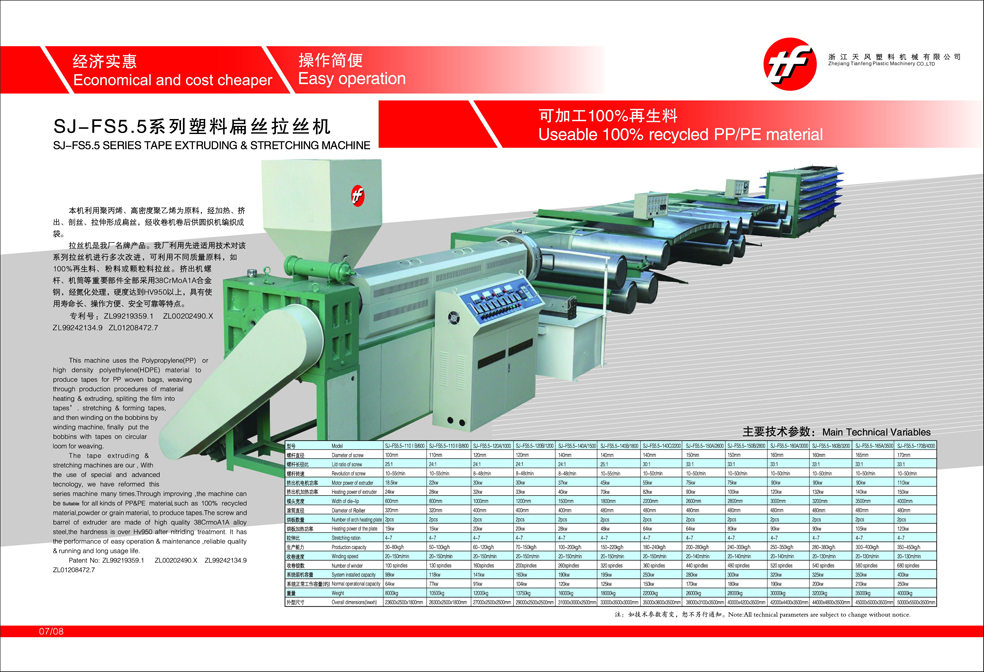
For continuous high-speed extrusion, double-station or multi-station winders are standard. These allow for automatic cutting and roll changeover without halting the primary extrusion line, significantly reducing material waste and downtime.
Need help verifying a manufacturer's technical capabilities? We audit factories and validate machinery specs before you place a deposit.
Talk to our teamManufacturing Quality and Factory Floor Realities
The primary failure point in imported winding machinery is poor synchronization with the haul-off unit of the extrusion line. If the winder pulls faster than the haul-off, the plastic will stretch, altering the wall thickness. If it pulls too slowly, the material will sag and tangle.
High-quality manufacturers utilize advanced PLC (Programmable Logic Controller) systems to link the winder's speed directly to the haul-off speed via dancer arms or tension sensors. When evaluating suppliers, pay close attention to the brands of the electrical components (e.g., Siemens, Delta, Yaskawa) as proprietary or unbranded controllers are notoriously difficult to replace or reprogram.
To mitigate risks before shipment, rigorous Quality Control & Inspection is mandatory. Factory Acceptance Testing (FAT) should always be conducted using your specific pipe or film dimensions.
Pre-Shipment Inspection Checklist for Winders
- Verify PLC synchronization with simulated haul-off speed variations.
- Test automatic cutting and changeover mechanisms (for double-station models).
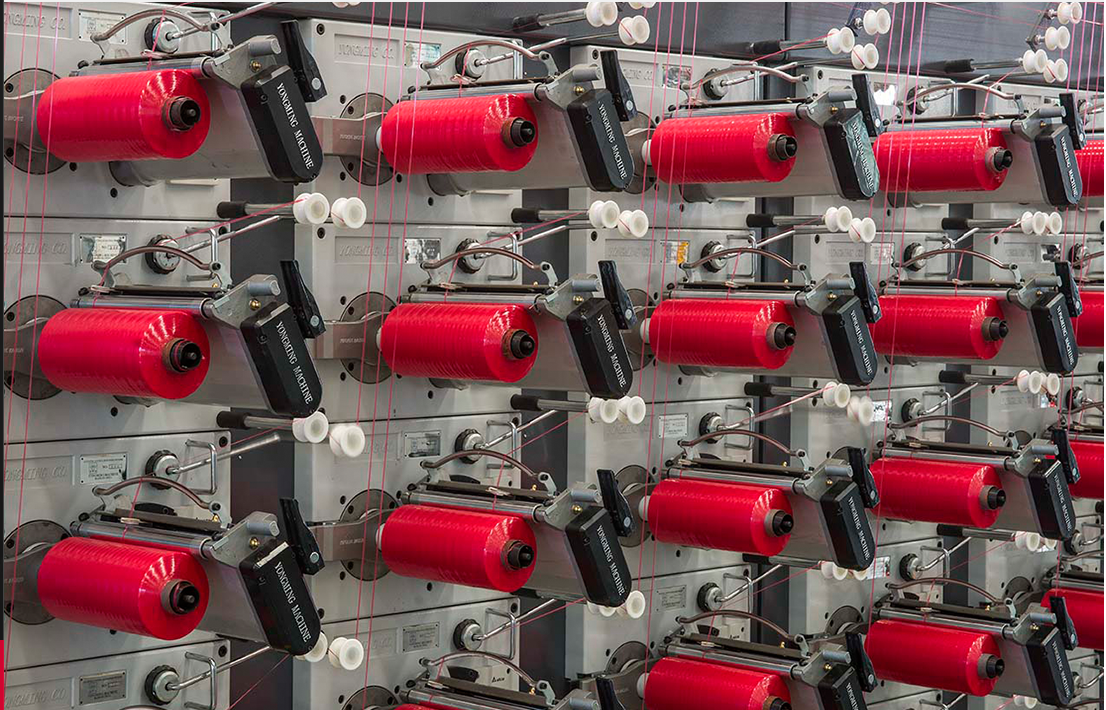
- Inspect traverse unit (wire/hose guide) for smooth, even layering across the spool.
- Confirm electrical component brands match the agreed-upon bill of materials (BOM).
- Validate safety guards, emergency stops, and CE compliance documentation.
Pricing, MOQs, and Lead Times
Industrial machinery sourcing operates on different rules than consumer goods. The Minimum Order Quantity (MOQ) is almost universally one unit, making it accessible to upgrade single lines.
Pricing is highly variable based on the level of automation. A basic single-station torque-motor winder for agricultural irrigation pipes may range from $2,000 to $4,500. Conversely, a fully automatic, dual-station servo-driven winder with PLC-controlled flying shears for precision medical tubing can easily exceed $15,000 to $25,000.
Because these machines are heavy and bulky, freight costs represent a significant portion of the landed cost. Coordination with a specialized Shipping & Freight partner is essential to ensure proper crating, container loading (often requiring flat racks or open-top containers for oversized models), and customs clearance. Furthermore, conducting thorough Factory Audits before placing your 30 percent deposit ensures the supplier actually has the in-house engineering capacity to build the machine, rather than simply outsourcing it to a sub-tier workshop.
Optimize your machinery procurement. From factory negotiation to heavy freight logistics, we manage the entire import process.
Get a free consultationFrequently Asked Questions
Successfully sourcing plastic winding machines is about minimizing total cost of ownership. A cheaper machine that causes extrusion line bottlenecks, produces uneven coils, or suffers frequent electrical faults will quickly erase any initial purchase savings. Focus on precise specification alignment, rigorous pre-shipment testing, and verifiable factory capabilities to ensure your production lines run uninterrupted.
Get Sourcing Help for Plastic Winding Machines
Tell us your requirements and our experts will connect you with verified manufacturers.