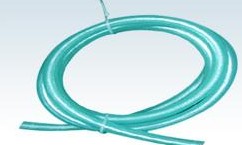
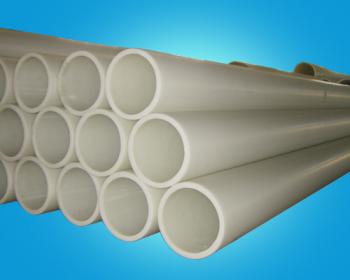
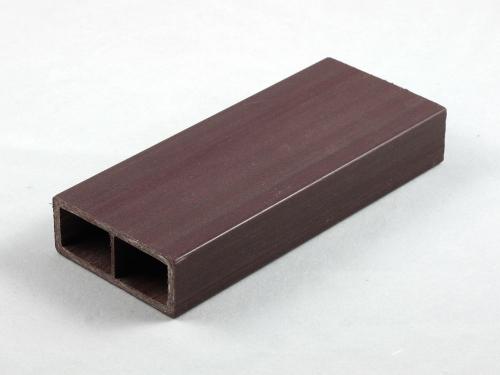
Plastic Tubes
Source high-quality Plastic Tubes from vetted suppliers and manufacturers. Designed for importers, wholesalers, distributors, and brands seeking reliable bulk procurement and OEM production. Find competitive wholesale pricing and secure manufacturing capacity for construction, plumbing, and industrial applications.
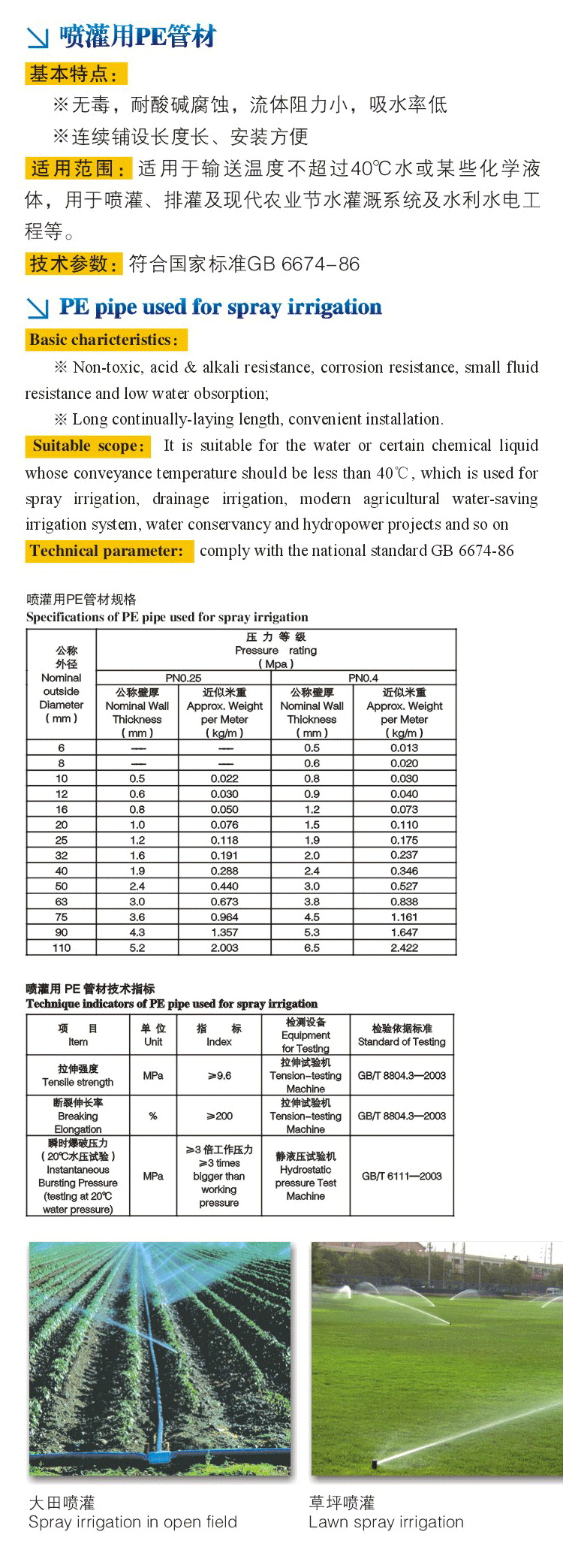
Sourcing plastic tubes for construction and industrial applications requires more than just negotiating the lowest price per meter. Dimensional stability, pressure ratings, and material purity dictate the final performance of the product. When buying in bulk directly from overseas manufacturers, the core challenge is ensuring consistency across thousands of meters of extruded product, avoiding the common pitfalls of warped dimensions or compromised material strength.
Material Selection and Dimensional Specifications
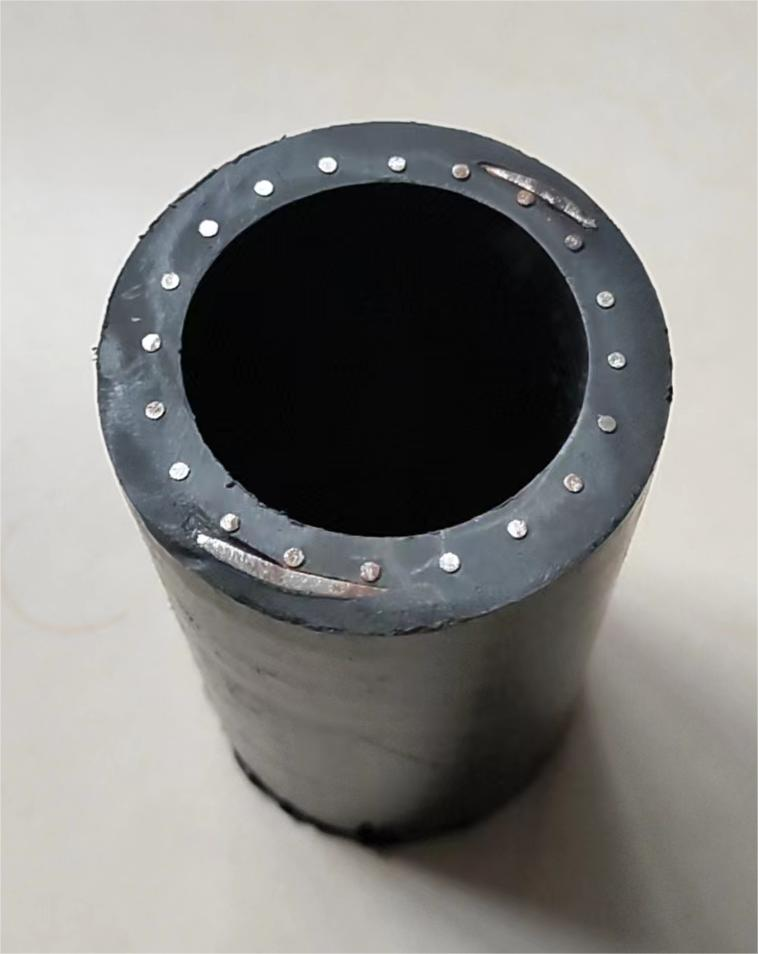
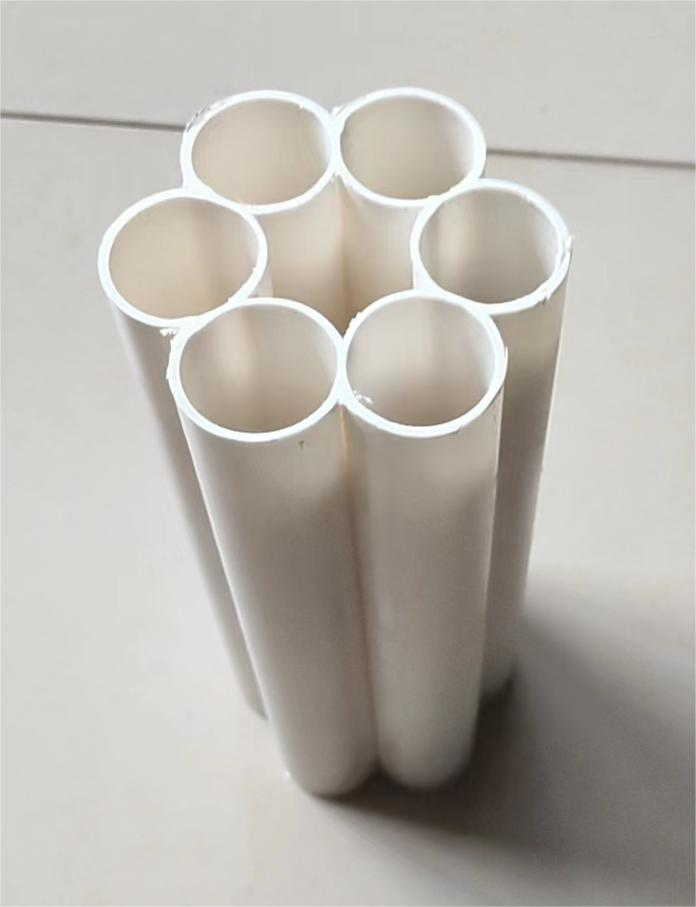
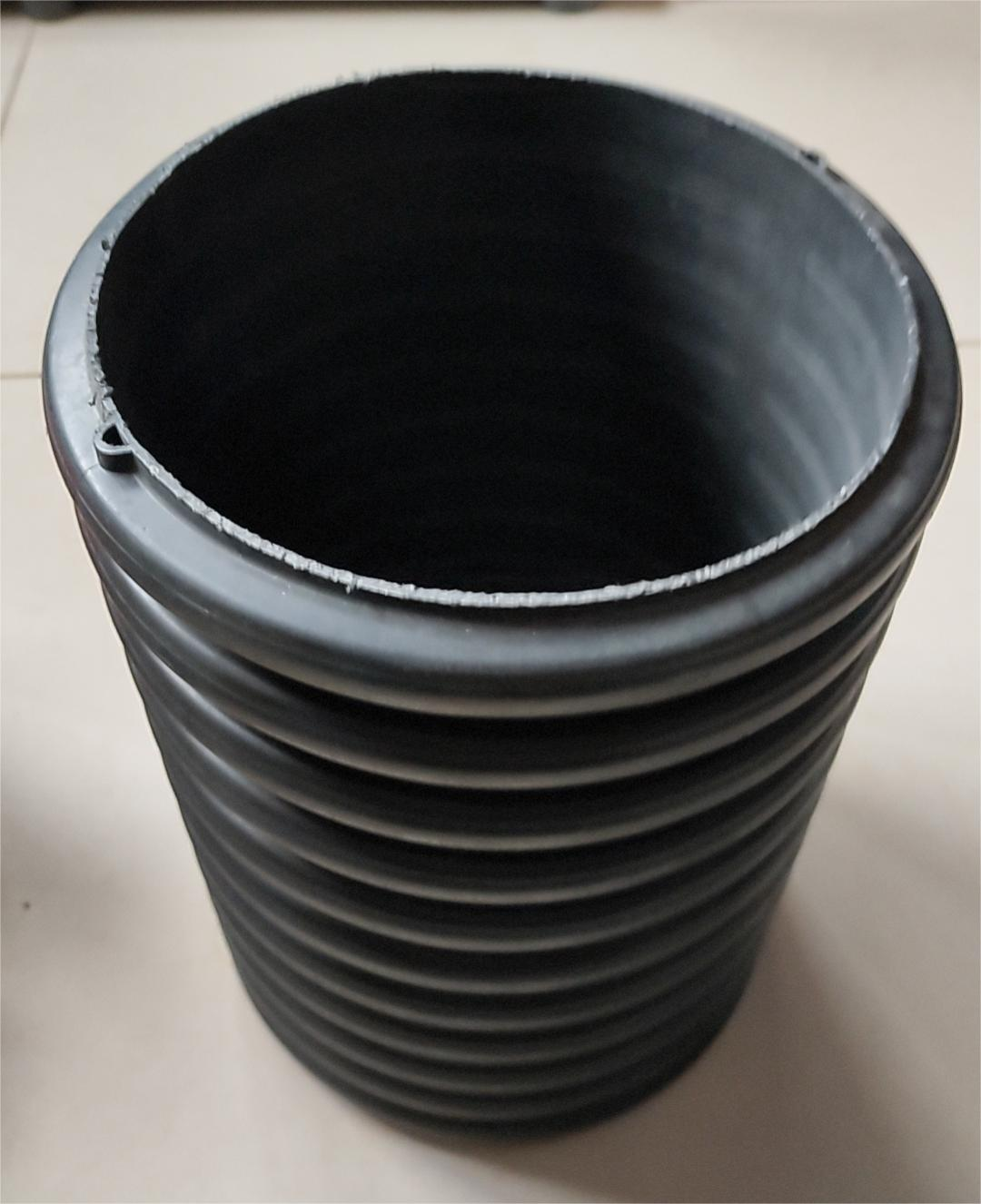
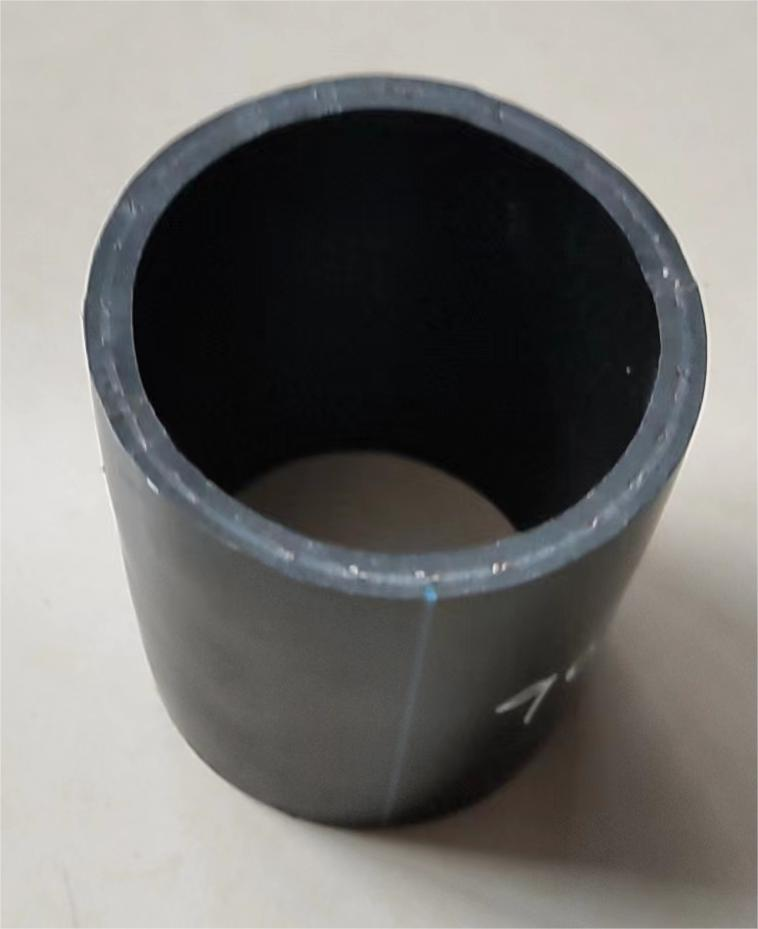
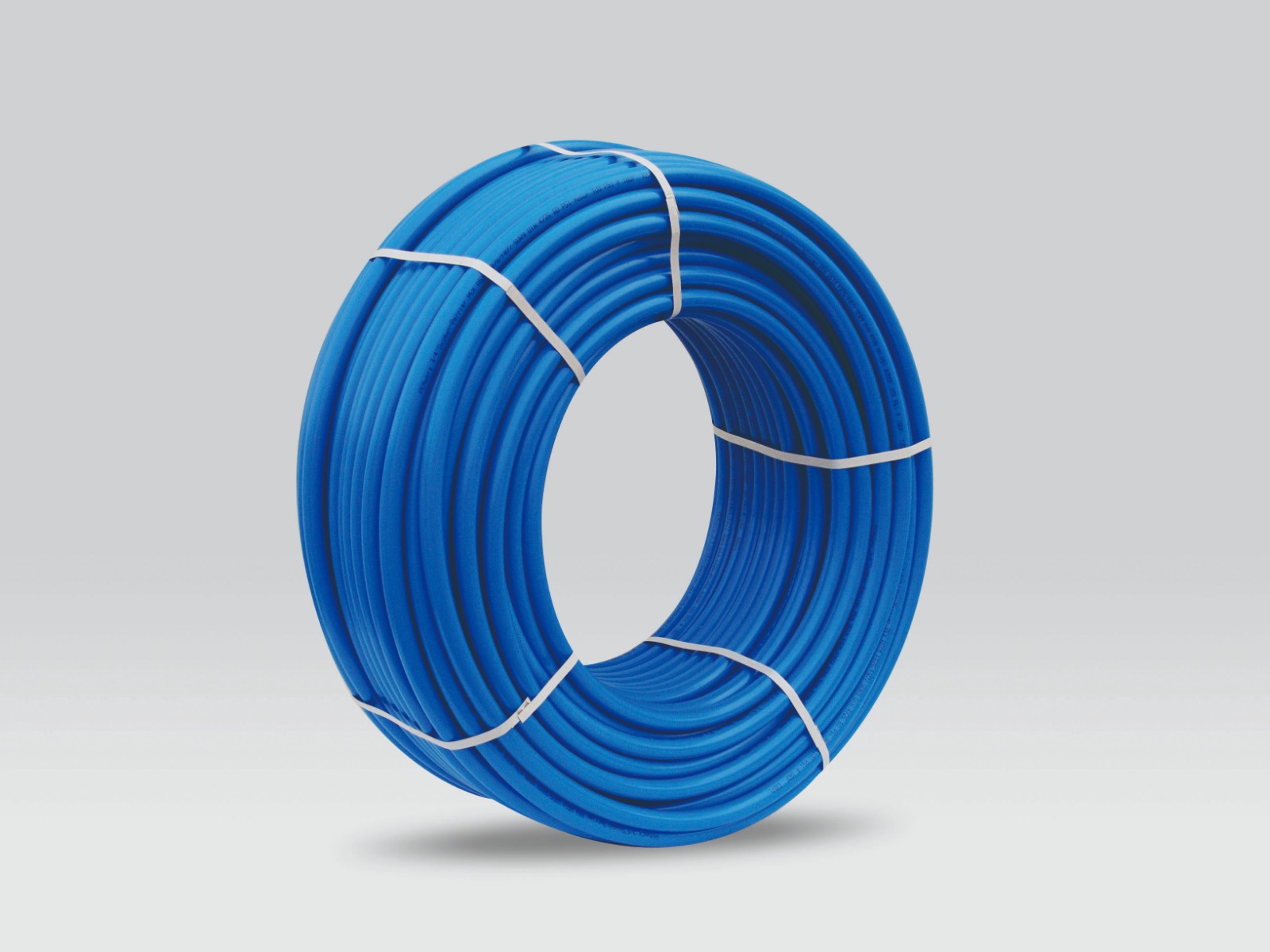
The foundation of any successful volume order is specifying the exact polymer formulation and dimensional standards. Factories process a wide variety of resins, but in construction and real estate, the focus typically falls on unplasticized PVC (UPVC), High-Density Polyethylene (HDPE), and Cross-linked Polyethylene (PEX).
Beyond the material, buyers must define the Standard Dimension Ratio (SDR) or specific wall thickness schedules (like Schedule 40 or 80). The SDR is the ratio of the pipe's outside diameter to its wall thickness; a lower SDR means a thicker wall and a higher pressure rating.
| Material | Primary Use Case | Key Characteristics | Typical Joining Method |
|---|---|---|---|
| UPVC | Drainage, cold water supply | Rigid, excellent chemical resistance | Solvent cement, threaded |
| HDPE | Underground mains, gas distribution | Flexible, high impact strength | Butt fusion, electrofusion |
| PEX | Radiant heating, hot/cold plumbing | Temperature resistant, highly flexible | Crimp rings, push-fit fittings |
When negotiating with suppliers, you must specify whether the tubes need to meet specific regional standards, such as ASTM, DIN, or EN specifications. Factories producing for domestic markets may use different default tooling, resulting in metric versus imperial sizing mismatches if not explicitly detailed in your purchase order.
Extrusion Tolerances and Factory Capabilities
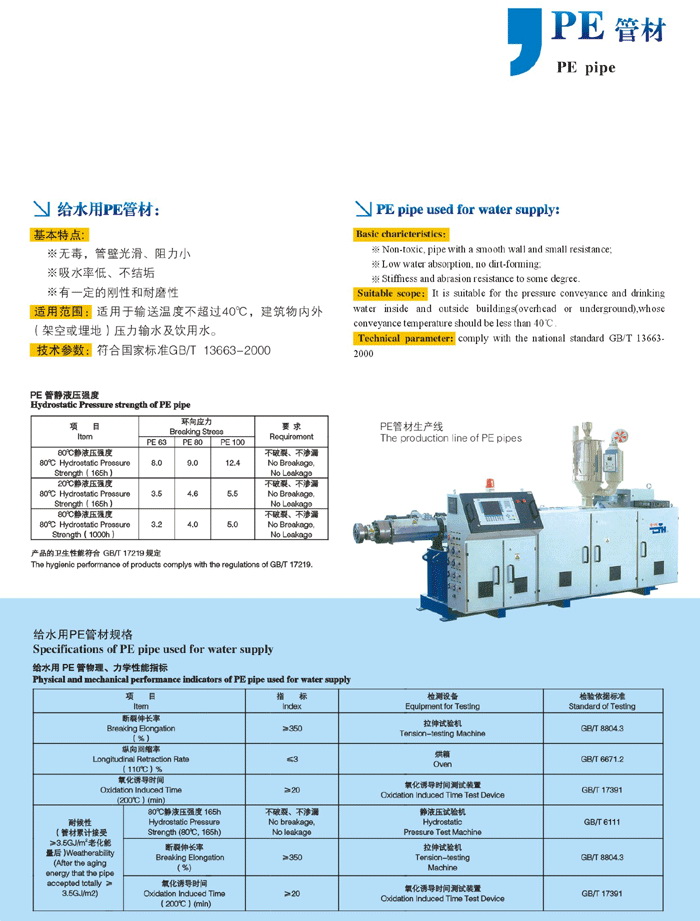
Plastic tube manufacturing relies on continuous extrusion. The raw resin pellets are melted, forced through a die to form the tube shape, and then immediately drawn through a water cooling vacuum calibration tank.
Where quality is won or lost is in the factory's control over this continuous process. If the haul-off speed is inconsistent, the wall thickness will vary. If the cooling bath temperature fluctuates or the vacuum pressure drops, the tube can suffer from ovality (becoming egg-shaped rather than perfectly round), which makes joining and sealing impossible in the field.
Need to verify a factory's extrusion machinery and quality management systems before placing a volume order?
Talk to our teamTo mitigate these risks, implementing rigorous Quality Control & Inspection protocols is essential. Relying solely on final random inspections is risky for extruded products; in-line inspections during the initial production run are highly recommended.
Critical QC Checks for Extruded Plastic Tubes
- Verify wall thickness uniformity using ultrasonic thickness gauges at multiple points.
- Measure outside diameter and check for ovality issues using calibrated calipers.
- Perform hydrostatic pressure testing to ensure burst strength meets the specified SDR rating.
- Check surface finish for extrusion lines, pitting, or signs of poorly plasticized resin.
- Confirm dimensional stability through longitudinal reversion testing (heat shrinkage).
Customization, Co-extrusion, and Material Purity
For brands requiring specific performance characteristics, such as UV stabilization for outdoor use or oxygen barrier layers for heating systems, OEM/ODM Services provide the necessary customization. Co-extrusion allows multiple layers of different polymers to be formed simultaneously.
The Regrind Risk
To lower costs, some manufacturers mix "regrind" (recycled factory scrap) into virgin resin. While a small percentage (under 5 percent) is standard industry practice for non-pressure applications, excessive regrind severely compromises the impact resistance and pressure rating of the tube. Always specify the maximum allowable regrind percentage in your supplier contract.
Pricing Drivers, MOQs, and Lead Times
Unlike piece-rate goods, plastic tube pricing is heavily tied to commodity resin indexes. If the global price of crude oil or natural gas fluctuates, the cost of PVC or PE resin will follow.
Minimum Order Quantities (MOQs) are rarely based strictly on length. Extrusion factories calculate MOQs based on the minimum amount of resin required to efficiently run a continuous batch without excessive setup waste.
When planning your supply chain, factor in the shipping volume. Plastic tubes transport a lot of "empty air." Optimizing container loads by nesting smaller diameter tubes inside larger ones (where feasible and safe for the product) can drastically reduce your landed cost per meter.
Looking to optimize your bulk procurement strategy and secure reliable supplier pricing?
Get a free consultationFrequently Asked Questions
Successfully sourcing plastic tubes requires tight control over material specifications and a clear understanding of the manufacturer's extrusion capabilities. By defining your tolerances clearly and verifying production quality on the factory floor, you can secure consistent, high-performance products that protect your margins and your reputation in the market.
Get Sourcing Help for Plastic Tubes
Tell us your requirements and our experts will connect you with verified manufacturers.