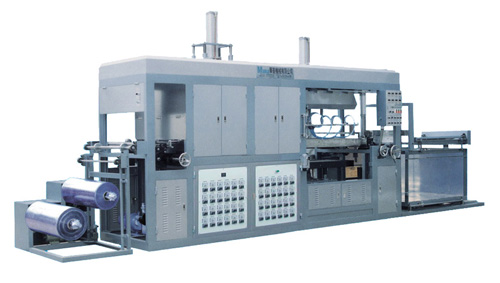
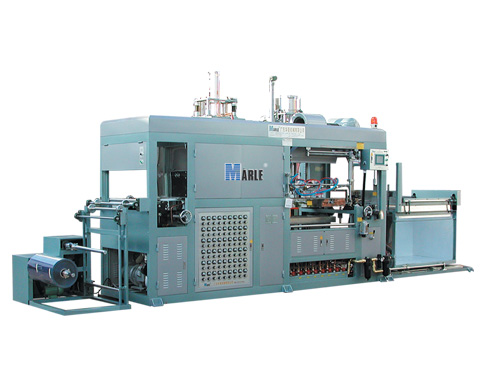
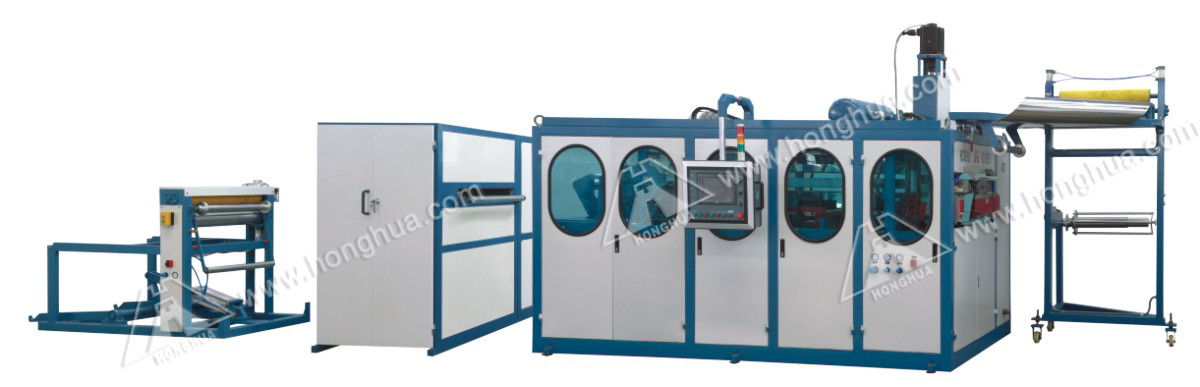
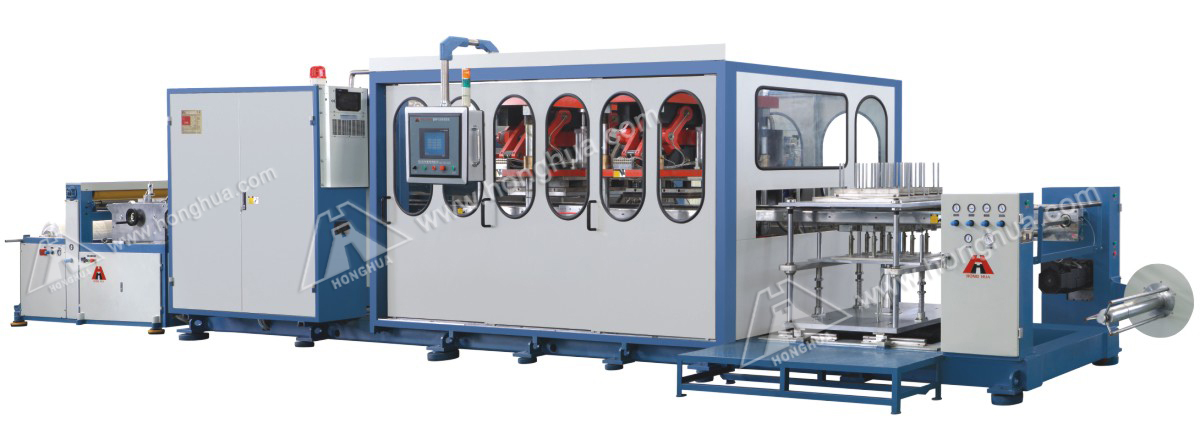
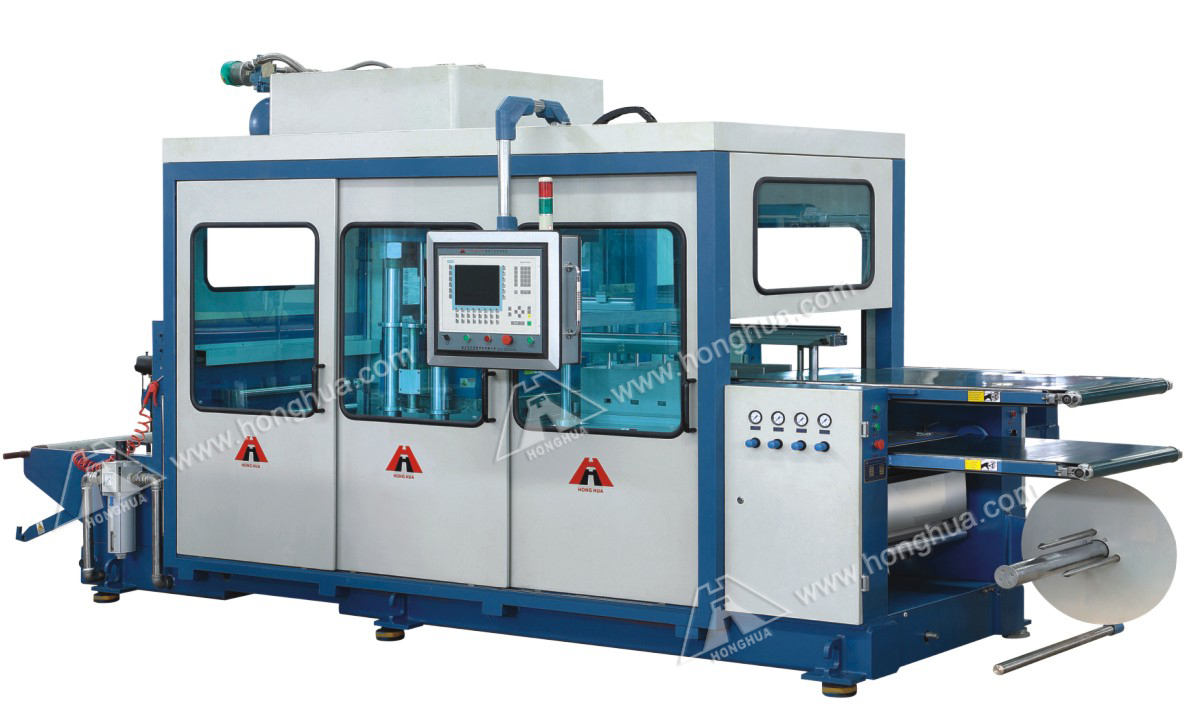
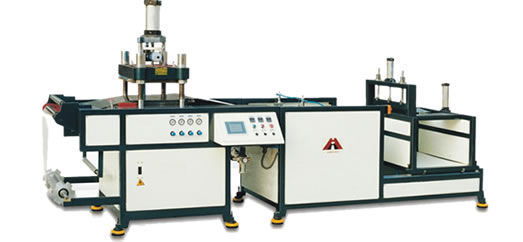
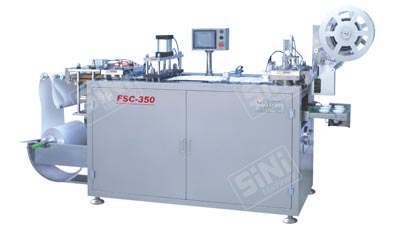
Plastic Thermoforming Machines
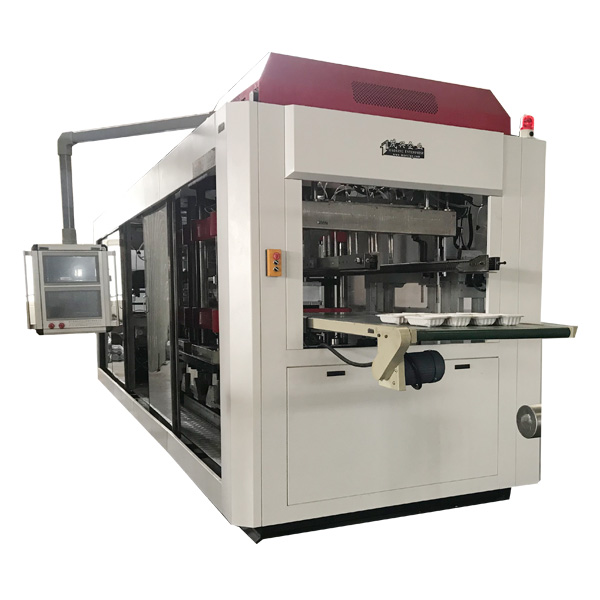
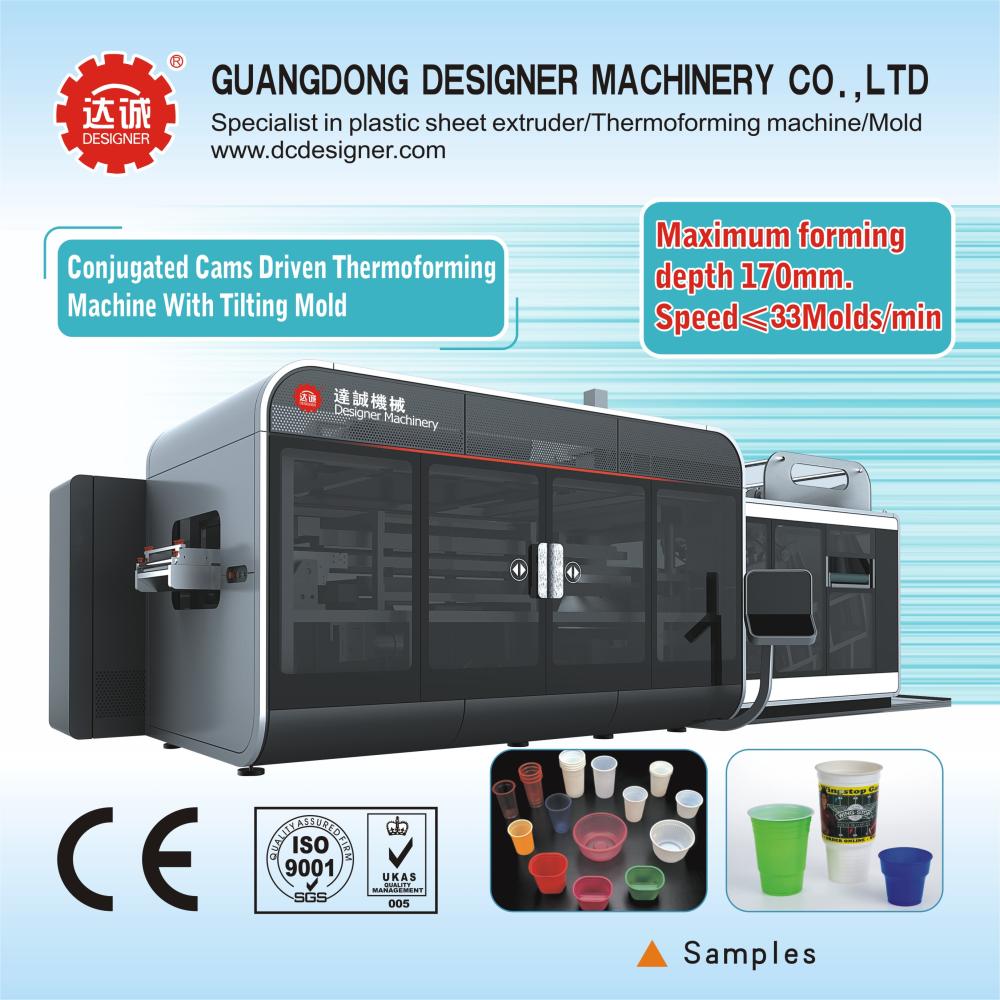
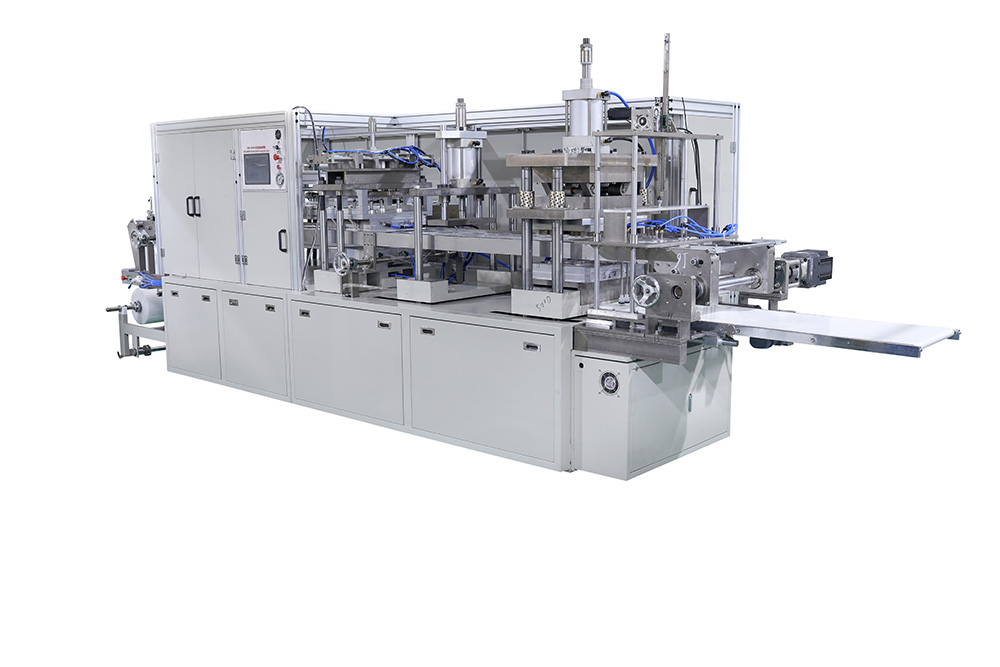
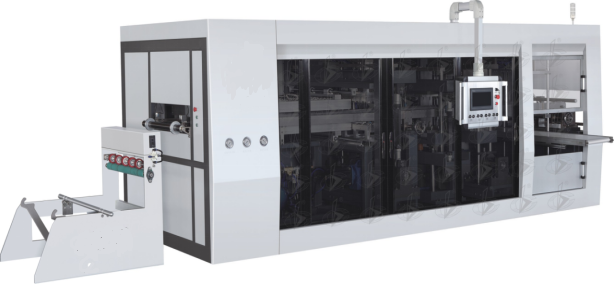
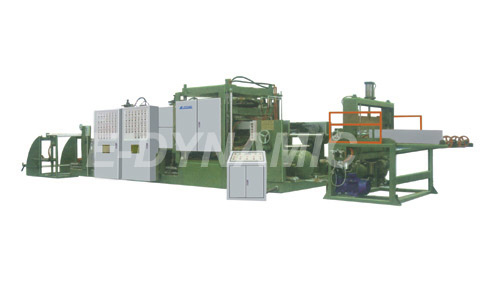
Source industrial Plastic Thermoforming Machines from vetted manufacturers and suppliers. Built for importers, distributors, and packaging brands seeking reliable bulk equipment, our catalog covers high-capacity machinery for custom OEM production. Explore factory-direct wholesale pricing and robust supply chain solutions.
Sourcing plastic thermoforming machines requires balancing cycle speeds, energy consumption, and long-term reliability. Whether you are equipping a facility for blister packaging, food containers, or large-scale automotive components, selecting the right equipment dictates your production cost per unit. The challenge lies in verifying that a manufacturer's stated specifications translate to consistent, high-yield operation on your factory floor, and that the internal components are built for continuous use rather than just passing an initial demonstration.
Core Specifications to Define Before Sourcing
Industrial buyers must move beyond basic machine footprints and focus on the parameters that dictate production efficiency. The forming area and maximum depth of draw are your baseline requirements, but output capacity is determined by the heating architecture and drive systems.
When requesting quotes, you must specify the exact sheet materials (e.g., PET, PP, PS, PVC) and thicknesses (typically ranging from 0.2mm to 2.0mm for thin-wall packaging, or much thicker for industrial parts) you intend to process. Different materials require different heating zones and cooling capacities.
| Drive Mechanism | Standard Pneumatic | Full Servo-Driven |
|---|---|---|
| Cycle Speed | 15 to 25 cycles per minute | 30 to 45+ cycles per minute |
| Forming Precision | Moderate | High (within 0.1mm tolerance) |
| Energy Efficiency | Lower (requires compressed air) | High (direct electrical drive) |
| Maintenance | Frequent cylinder/seal checks | Minimal mechanical wear |
Need help verifying machine specifications and component quality with Asian manufacturers?
Talk to our teamComponent Quality and Factory-Level Execution
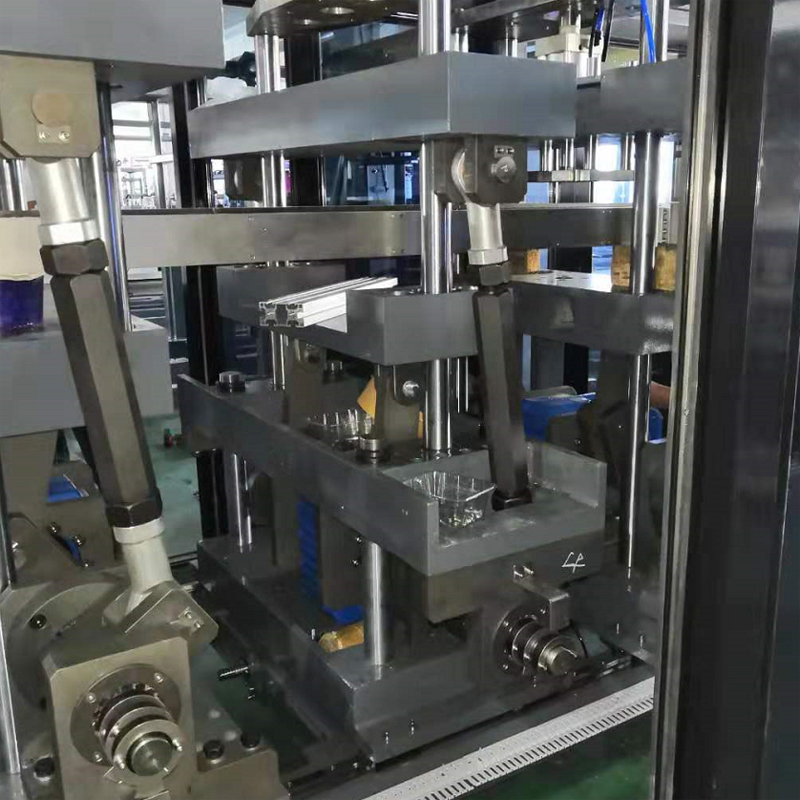
A thermoforming machine is only as reliable as its programmable logic controllers (PLCs), servo motors, and heating elements. Tier-1 manufacturers utilize internationally recognized brands (such as Siemens, Yaskawa, Delta, or Omron) for critical electronics. Lower-tier factories often substitute these with domestic equivalents to cut costs, which can complicate software integration, troubleshooting, and spare parts procurement in your home market.
Evaluating the factory's own production floor is critical. You should look for in-house CNC machining capabilities for the machine frames, heavy-duty welding protocols, and rigorous assembly standards. Conducting comprehensive Factory Audits before placing a deposit ensures the supplier has the technical infrastructure to build industrial-grade machinery, rather than just assembling cheap outsourced parts.
Critical Components to Verify on the BOM
- PLC and HMI brands (ensure local support is available in your country)
- Heating elements (Ceramic IR heaters are preferred for longevity and even distribution)
- Vacuum pump capacity and brand (e.g., Busch or equivalent reliable brands)
- Cooling system integration (chiller capacity matched to cycle speed expectations)
- Lubrication systems (automatic centralized lubrication is highly recommended)
Factory Acceptance Testing (FAT)
Never ship industrial machinery without a rigorous Factory Acceptance Test. Relying on a video of the machine cycling empty is insufficient. Proper Quality Control & Inspection requires testing the machine under real-world loads before it leaves the factory floor.
Dry Cycle Testing
Running the machine continuously for 12 to 24 hours without material to verify servo stability, software reliability, and check for hydraulic/pneumatic leaks.
Thermal Uniformity Check
Using thermal imaging to ensure all heating zones reach target temperatures simultaneously without cold spots across the forming area.
Load Testing with Material
Running your specific plastic roll stock with a test mold to verify cycle times, cutting precision, and final product tolerances.
Pricing, Lead Times, and Logistics
Because plastic thermoforming machines are capital equipment, they are built-to-order based on your specific forming area and component requirements. MOQs are universally one set.
Transporting these machines requires careful logistical planning. Depending on the machine's footprint and whether it includes inline cutting and stacking stations, shipping may require a standard 40HQ container or specialized flat rack equipment. Coordinating Shipping & Freight early ensures that anti-rust packaging, moisture barriers, and proper container lashing are executed correctly to prevent transit damage.
Ensure secure payment terms, rigorous FAT, and smooth heavy-freight logistics for your machinery purchase.
Get a free consultationFrequently Asked Questions
Securing a high-performance thermoforming machine is not about negotiating the lowest FOB price; it is about ensuring the structural integrity, heating grids, and drive systems can handle continuous operation without excessive downtime. Thorough specification drafting and rigorous pre-shipment testing are your best defenses against costly production delays.
Get Sourcing Help for Plastic Thermoforming Machines
Tell us your requirements and our experts will connect you with verified manufacturers.