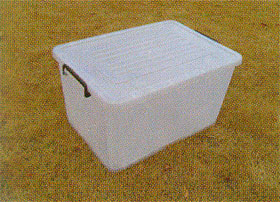
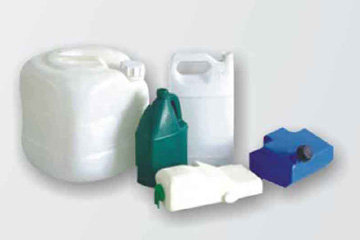
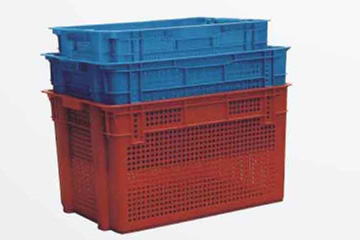
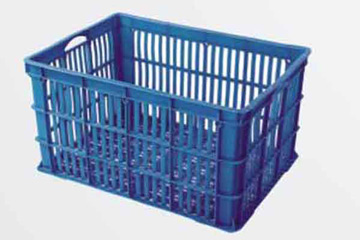
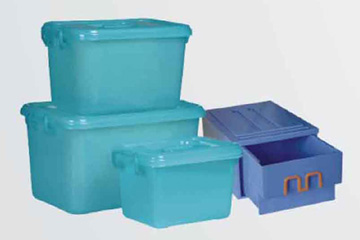
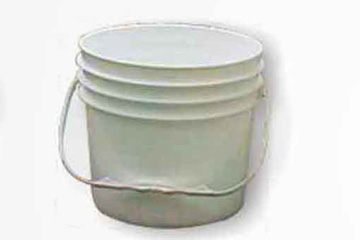
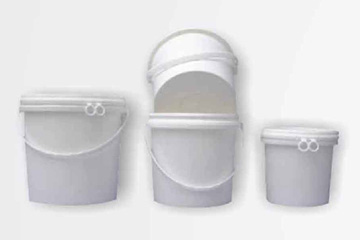
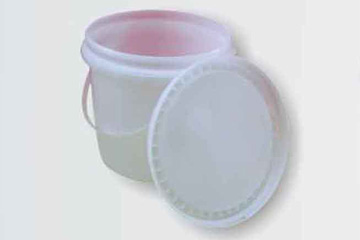
Plastic Storage Bins & Boxes
Source high-quality plastic storage bins and boxes directly from vetted manufacturers and wholesale suppliers. Designed for importers, distributors, and brands seeking reliable bulk production or custom OEM/private-label solutions. Secure competitive pricing and consistent quality for your storage container supply chain.
Sourcing plastic storage bins at scale is rarely just about finding the lowest cost per unit. It requires a strategic balance between resin costs, mold durability, and freight efficiency. Whether you are importing standard commercial totes or developing custom retail organizers, controlling the production variables—from polymer selection to nesting ratios—is what ultimately protects your margins and ensures product longevity.
Material Specifications and Polymer Selection
The foundation of any storage container is its raw material. The choice of plastic dictates clarity, impact resistance, load-bearing capacity, and cost. Most manufacturers rely on three primary polymers, each suited to different end-use environments.
| Material | Primary Characteristics | Typical Applications |
|---|---|---|
| Polypropylene (PP) | High flexural strength, good chemical resistance, translucent or opaque. | Standard storage boxes, lidded bins, modular drawers. |
| High-Density Polyethylene (HDPE) | Extreme impact resistance, performs well in cold temperatures, rigid. | Heavy-duty industrial totes, garage storage bins. |
| Polyethylene Terephthalate (PET) | High clarity, rigid, brittle under heavy impact. | Clear retail display boxes, cosmetic organizers. |
When specifying materials, you must clarify the ratio of virgin resin to regrind (recycled factory scrap). While incorporating regrind lowers the unit cost, pushing the ratio over 20 percent can significantly compromise the structural integrity and clarity of the bin.
Navigating resin grades and mold specifications? Let our sourcing experts align your requirements with the right manufacturing partner.
Talk to our teamInjection Molding: Where Quality is Won or Lost
Plastic storage bins are produced via injection molding. The quality of the final product depends heavily on the factory's machinery tonnage, mold precision, and cycle times. Factories looking to cut corners often speed up the cooling cycle to increase daily output. This rushed process leads to uneven shrinkage, causing the bins to warp, which ruins their stackability and lid fit.
To ensure consistent production, rigorous Quality Control & Inspection is mandatory. Your inspection criteria should focus heavily on the physical and structural attributes of the molded product.
Critical Factory Inspection Checks
- Wall Thickness Uniformity: Measure corners and bases to ensure no thinning occurred during injection.
- Warping & Dimensional Stability: Verify that bins stack cleanly without binding or leaning.
- Gate and Flash Removal: Check injection points for sharp edges or excess plastic (flash) that could cause injury.
- Drop Testing: Perform standard drop tests (e.g., 1 meter fully loaded) to verify impact resistance, especially for PP and HDPE bins.
- Hinge and Latch Integrity: For latching boxes, cycle the locking mechanism to ensure secure closure and fatigue resistance.
Freight Optimization: The Cost of Shipping Air
In the storage bin category, freight is often the most critical cost driver. Because these products are inherently voluminous, poorly designed bins will cause you to ship empty air, drastically inflating your landed cost.
Nesting ratios—how deeply one bin sits inside another—are paramount. A standard nesting ratio of 3:1 or 4:1 is typical for tapered bins. When sourcing, always request the exact nested dimensions and the master carton CBM (Cubic Meters). Optimizing the master carton to maximize container utilization is just as important as the unit price itself. Engaging professional Shipping & Freight coordination early in the sourcing process helps you model these landed costs before committing to a design.
MOQs, Tooling, and Pricing Realities
Pricing for storage boxes fluctuates directly with global petroleum and resin markets. Standard factory designs require lower upfront investment, while custom shapes or specific retail features require new steel molds.
If you are developing a proprietary design, utilizing structured OEM/ODM Services ensures that your mold is engineered for optimal cycle times and minimal material waste. Multi-cavity molds cost more upfront but drastically reduce the unit cost for high-volume orders.
Need to optimize your landed costs or develop a custom mold? We can break down the true costs of production and freight for your project.
Get a free consultationFrequently Asked Questions
Sourcing plastic storage containers is a volume-driven enterprise where pennies saved on resin can easily cost dollars in freight inefficiencies or defective returns. Success requires rigorous factory vetting, precise material specification, and tight control over both the mold design and the shipping carton.
Get Sourcing Help for Plastic Storage Bins & Boxes
Tell us your requirements and our experts will connect you with verified manufacturers.