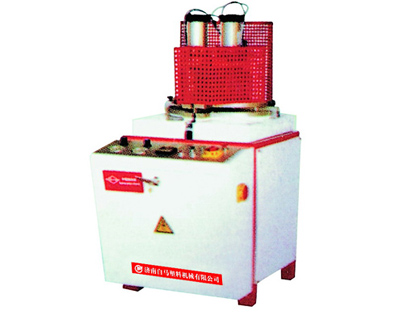
Plastic Rotational Molding Machines
Source high-quality plastic rotational molding machines directly from vetted manufacturers and suppliers. Designed for importers, wholesalers, distributors, and industrial brands seeking reliable OEM/ODM production, our verified network offers competitive pricing for bulk procurement and custom machinery sourcing.
Sourcing industrial plastic rotational molding (rotomolding) machines requires aligning complex mechanical specifications with your production volume, facility constraints, and target product dimensions. Whether you are outfitting a facility to produce large hollow plastic goods like agricultural water tanks, marine buoys, or playground equipment, selecting the right machine configuration dictates your cycle times, energy efficiency, and long-term operational footprint.
Core Machine Configurations and Specifications
Rotational molding machines are highly specialized, and the configuration you choose must match the geometry and production volume of your molds. The primary metric for sizing these machines is the spherical swing diameter (or oven diameter), which determines the maximum mold size the machine can accommodate.
| Machine Type | Ideal Production Profile | Typical Footprint |
|---|---|---|
| Carousel (Independent Arm) | High volume, varied cycle times for different molds | Large (Requires high clearance) |
| Carousel (Fixed Arm) | High volume, identical cycle times across all arms | Large |
| Shuttle Machine | Large, heavy parts; easy mold changes | Linear / Rectangular |
| Rock and Roll | Long, narrow parts (e.g., kayaks, canoes) | Long / Narrow |
Beyond the structural type, buyers must specify the heating medium (natural gas, LPG, diesel, or electric) and the burner capacity, usually measured in Kcal/hr. High-efficiency proportional burners (such as those from Riello or Eclipse) are critical for maintaining precise oven temperatures while minimizing fuel consumption.
Need help verifying machine specifications and factory capabilities with Asian manufacturers?
Talk to our teamCritical Components and Manufacturing Quality
The longevity and reliability of a rotomolding machine come down to the quality of its sub-components and the precision of its assembly. When evaluating a factory, look beyond the steel frame and focus on the thermal and electronic systems. Conducting thorough factory audits is essential to verify that the supplier uses genuine, international-brand components rather than domestic clones that may fail under continuous high-temperature operation.
Key Components to Verify Before Purchase
- PLC and HMI Systems: Ensure the use of globally supported brands (e.g., Siemens, Mitsubishi, Allen-Bradley) for easier local troubleshooting.
- Oven Insulation: Look for high-density aluminum silicate insulation (typically 150mm to 200mm thick) to prevent heat loss and ensure operator safety.
- Cooling Station Design: Verify the inclusion of variable-speed industrial fans and optional water misting systems for controlled part shrinkage.
- Transmission and Motors: Specify heavy-duty gearboxes and variable frequency drives (VFDs) for smooth arm rotation without jerking.
Pricing, MOQs, and Lead Times
Unlike consumer goods, industrial machinery is procured on a project basis. The standard Minimum Order Quantity (MOQ) is always one set, but the lead time and final cost are heavily dependent on the level of customization required for your specific mold configurations.
Pricing is driven primarily by the swing diameter, the number of arms/carriages, and the sophistication of the automation (e.g., automated mold opening/closing systems or advanced internal mold cooling). Because these machines are massive, logistics play a significant role in your landed cost. Large ovens and arms often cannot fit into standard shipping containers, requiring Open Top or Flat Rack containers. Coordinating shipping and freight for out-of-gauge (OOG) cargo requires specialized heavy-lift handling and precise customs documentation.
Ensure your heavy machinery is built to spec, tested thoroughly, and shipped securely.
Get a free consultationQuality Control and Factory Acceptance Testing
Never authorize the final balance payment without a comprehensive Factory Acceptance Test (FAT). Because rotomolding machines must operate continuously at high temperatures, static inspections are insufficient. Professional quality control involves running the machine through multiple dry cycles to monitor oven temperature uniformity, burner modulation, and arm rotation stability.
Vibration and Alignment
During the FAT, pay close attention to the structural integrity of the main spindle and arms. Any excessive vibration during the rotation phase indicates poor machining tolerances or inadequate gearbox alignment, which will lead to premature mechanical failure.
Frequently Asked Questions
Sourcing plastic rotational molding machines is a significant capital expenditure. Success relies on strictly defining your technical specifications, verifying the origin of critical electronic and thermal components, and executing a rigorous testing protocol before the equipment ever leaves the factory floor. Proper oversight during the manufacturing phase guarantees that the machine will integrate smoothly into your facility and deliver a reliable return on investment.
Get Sourcing Help for Plastic Rotational Molding Machines
Tell us your requirements and our experts will connect you with verified manufacturers.