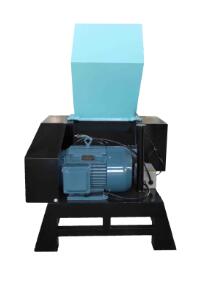
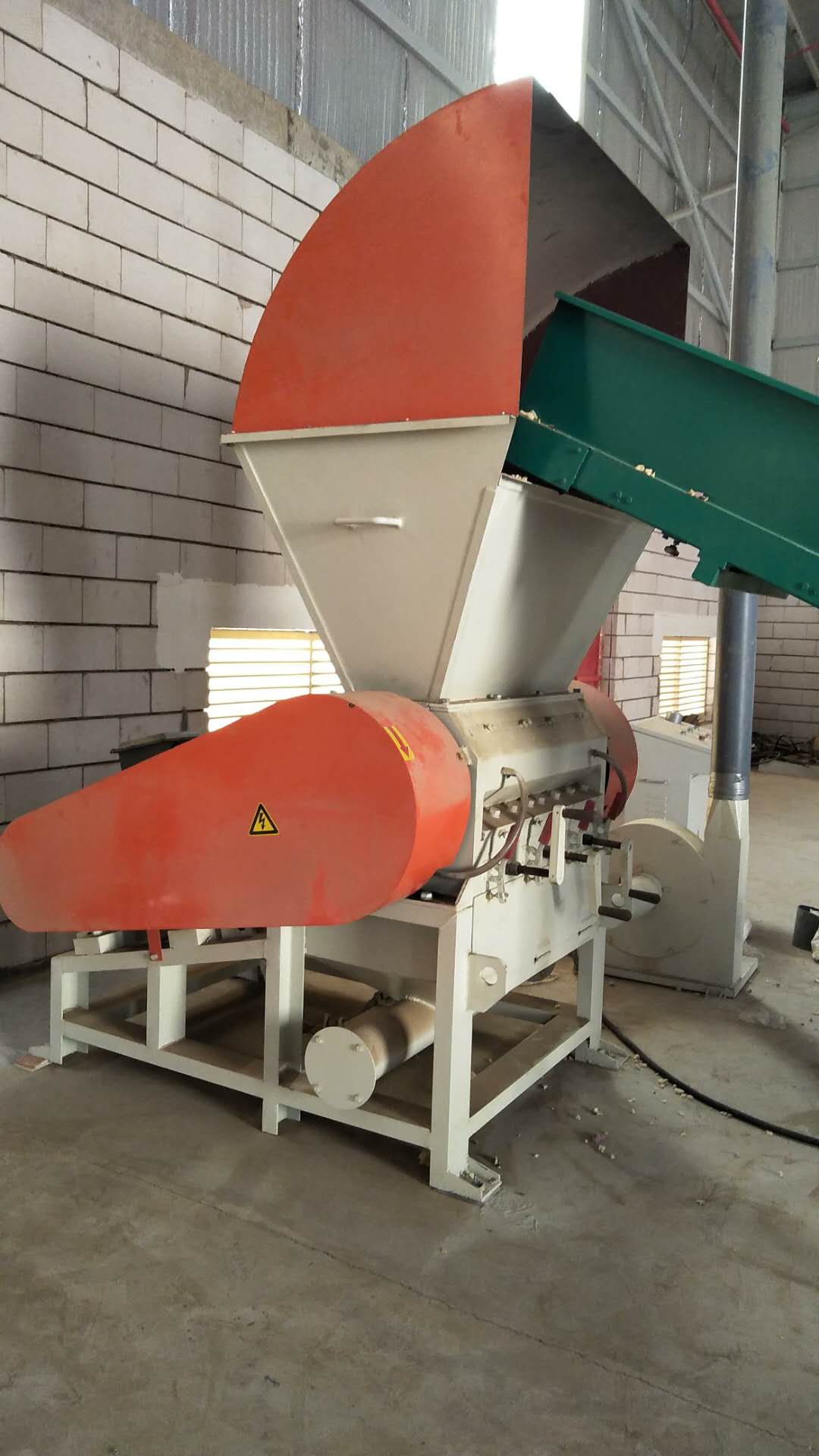
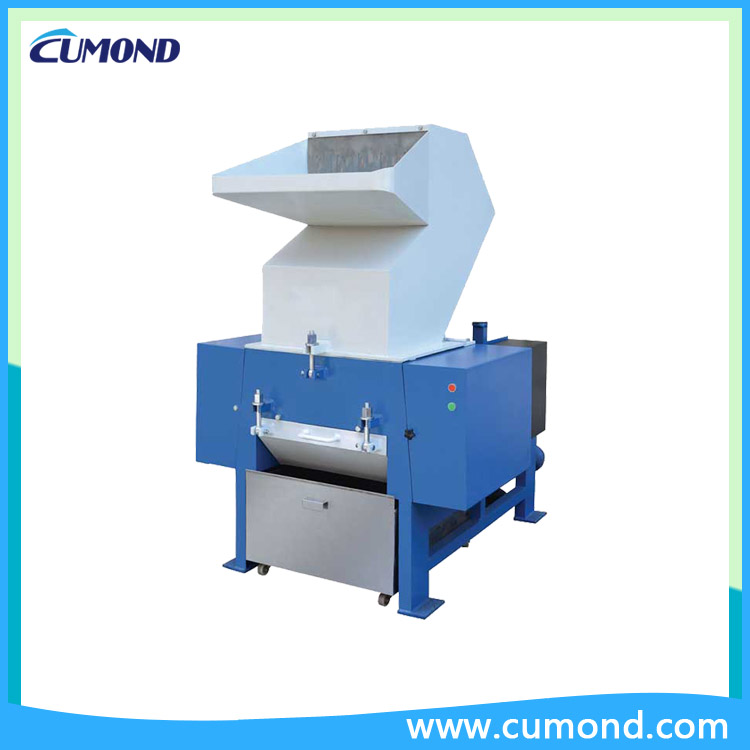
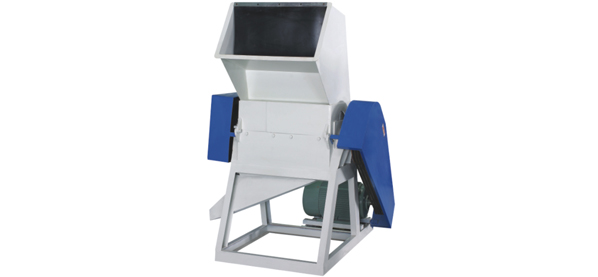
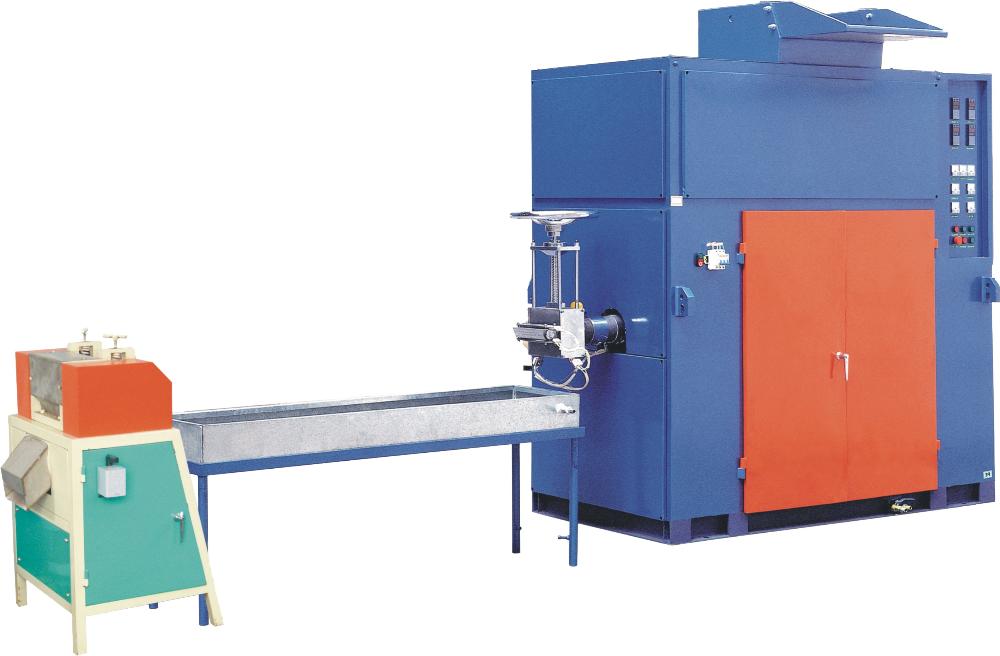
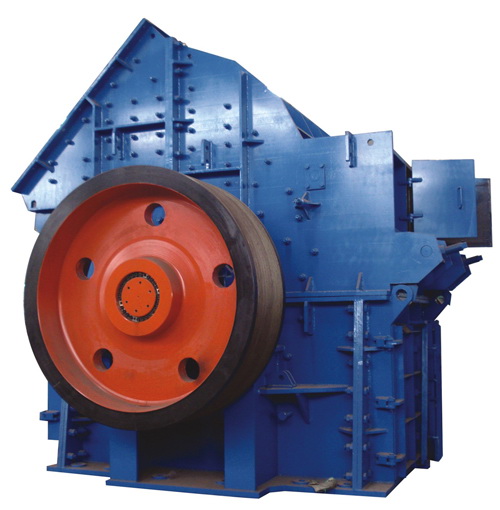
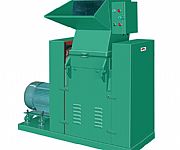
Plastic Crushing Machines
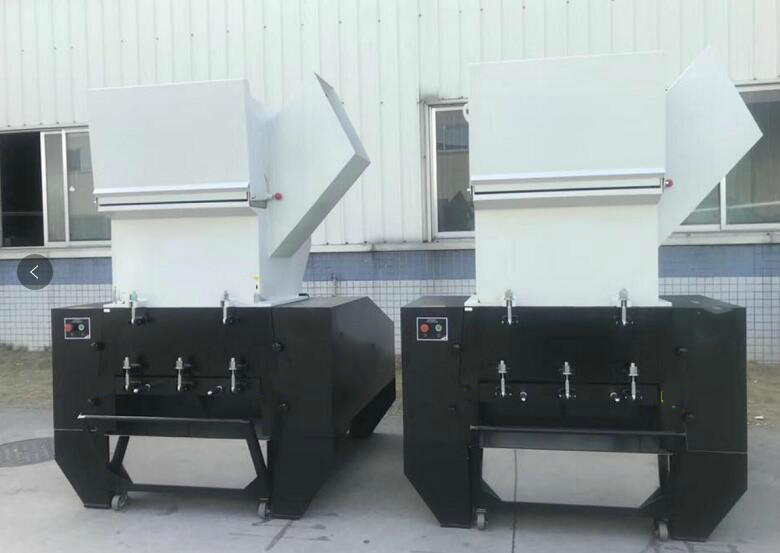
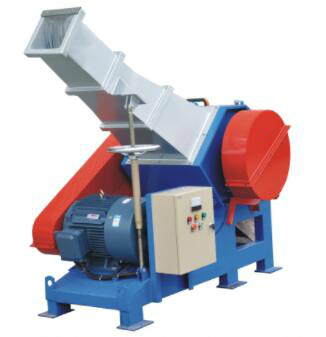
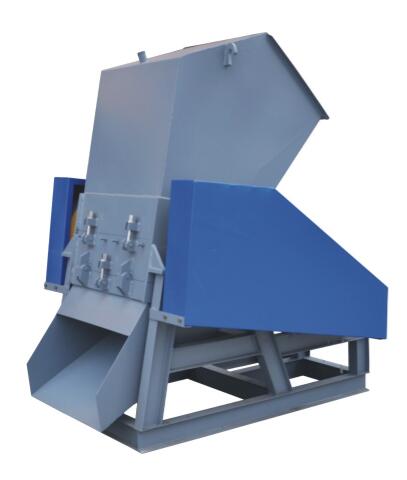
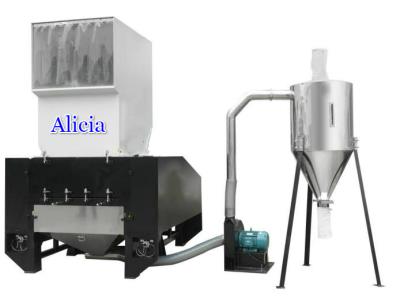
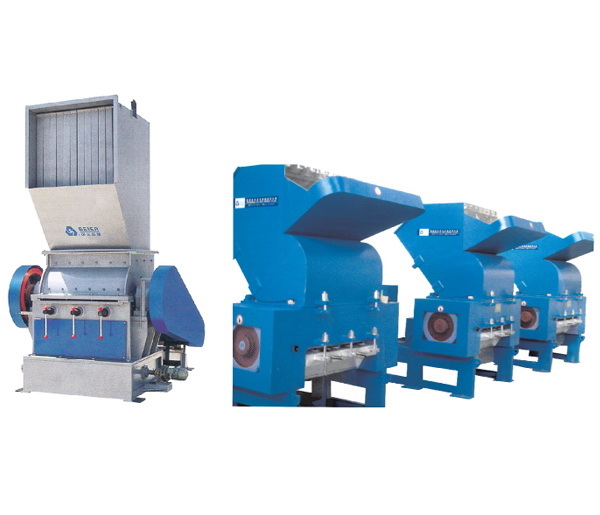
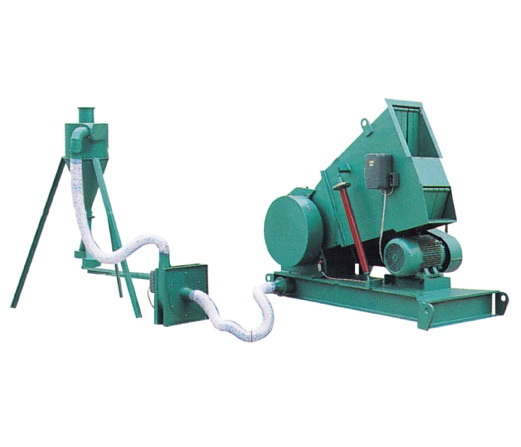
Source industrial-grade Plastic Crushing Machines from vetted suppliers and manufacturers in China and Asia. Designed for importers, distributors, recycling facilities, and brands seeking OEM production, our network delivers high-capacity crushers built for continuous commercial operation and maximum throughput.
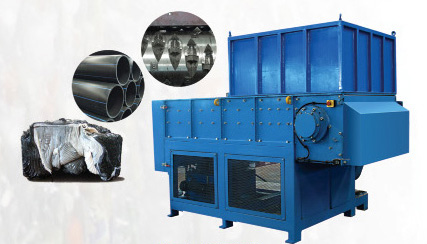
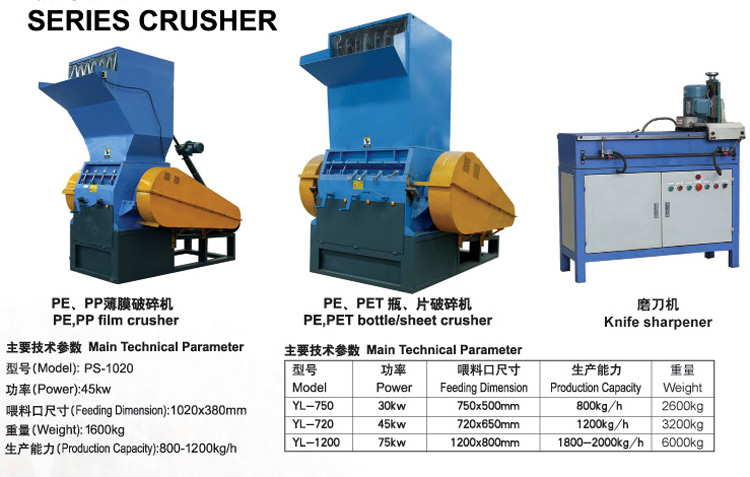
Sourcing heavy-duty plastic crushing machines requires balancing aggressive throughput requirements with long-term reliability. Whether the end-user is processing rigid HDPE pipes, PET bottles, or soft LDPE films, the core challenge is finding manufacturers whose equipment can handle continuous industrial loads without premature blade wear, motor burnout, or excessive downtime. Success depends on looking past the spec sheet to verify the factory's machining precision and component sourcing.
Specifying Industrial Plastic Crushers
A standard crusher might look robust on the outside, but its performance is dictated by the rotor design, blade metallurgy, and motor configuration. When detailing your requirements to a manufacturer, precision is critical.
- Blade Material: Standard machines often use 9CrSi steel, which is adequate for light duties. For high-impact or continuous industrial recycling, specify D2, SKD-11, or Cr12MoV steel. These high-carbon, high-chromium alloys offer superior wear resistance and edge retention.
- Rotor Configuration: The blade arrangement must match the scrap profile.
- Motor and Electricals: Specify the required voltage and frequency (e.g., 380V/50Hz or 480V/60Hz) upfront, as rewiring post-production is costly. Look for recognizable motor brands (like Siemens, WEG, or top-tier domestic equivalents) and Schneider or Siemens contactors in the electrical cabinet.
| Rotor Type | Best For | Key Characteristic |
|---|---|---|
| Claw / Staggered | Thick, rigid plastics (lumps, pipes) | High shear force, prevents jamming |
| Flat / Paddle | Thin plastics (bottles, films, sheets) | Wide cutting area, high throughput |
| V-Cut | General purpose recycling | Draws material to the center, reducing sidewall wear |
Navigating machinery specs and supplier capabilities? Let us help you match your throughput requirements with a vetted factory.
Talk to our teamWhere Quality is Won or Lost on the Factory Floor
The difference between a machine that lasts a decade and one that vibrates itself apart in six months lies in the factory's machining capabilities. Many lower-tier suppliers assemble bought-in parts without proper alignment.
Before committing to a bulk order or an ongoing distribution agreement, conducting comprehensive Factory Audits is essential. You need to verify that the manufacturer has in-house CNC machining for the crushing chamber and dynamic balancing equipment for the rotors. An unbalanced rotor operating at high RPMs will quickly destroy the main bearings.
Critical Pre-Shipment Inspection Points
- Rotor Dynamic Balancing: Verify vibration levels are within acceptable tolerances at full RPM.
- Blade Clearance: Check that the gap between rotary and stationary blades is calibrated correctly for the target material.
- Safety Interlocks: Test limit switches on the hopper and screen cradle to ensure the motor cuts out immediately when opened.
- Weld Integrity: Inspect the hopper and lower chassis for continuous, penetration welds to prevent structural fatigue.
Implementing strict Quality Control & Inspection protocols before the machinery leaves the factory floor is the only way to catch alignment or electrical issues before you pay the final balance.
Sourcing Mechanics: Pricing, MOQs, and Lead Times
Because plastic crushers are industrial capital equipment, the buying mechanics differ significantly from consumer goods.
- Pricing Drivers: The cost of a crusher scales directly with motor power (kW/HP) and the weight of the steel used in the chamber and chassis. Upgrading from standard blades to SKD-11 will increase the unit cost, but significantly reduces maintenance downtime.
- Logistics: These machines are heavy, top-heavy, and require careful crating. LCL (Less than Container Load) shipping requires robust wooden casing to prevent damage. Coordinating the Shipping & Freight for heavy machinery requires specialized handling to ensure the equipment is properly secured and balanced inside the container.
Need reliable logistics and quality control for your heavy machinery imports? We manage the entire process from factory floor to your facility.
Get a free consultationFrequently Asked Questions
Sourcing reliable plastic crushing machines is about securing equipment that delivers predictable throughput with minimal maintenance. By focusing on rotor balancing, blade metallurgy, and strict quality control at the factory level, you protect your investment and ensure long-term operational stability.
Get Sourcing Help for Plastic Crushing Machines
Tell us your requirements and our experts will connect you with verified manufacturers.