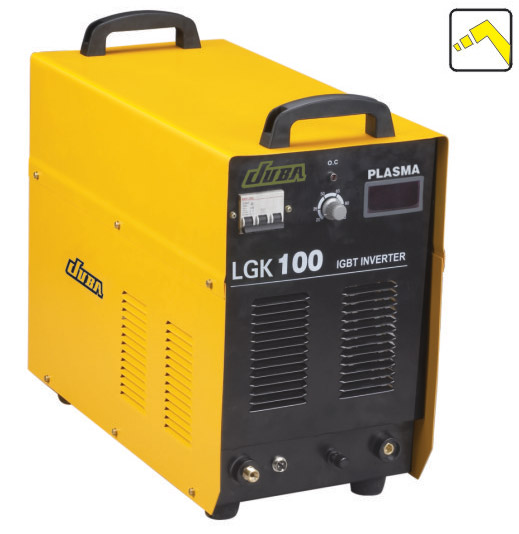
Plasma Welders
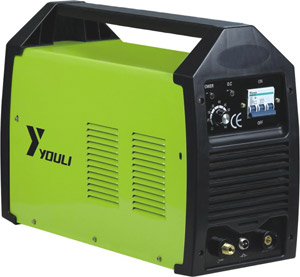
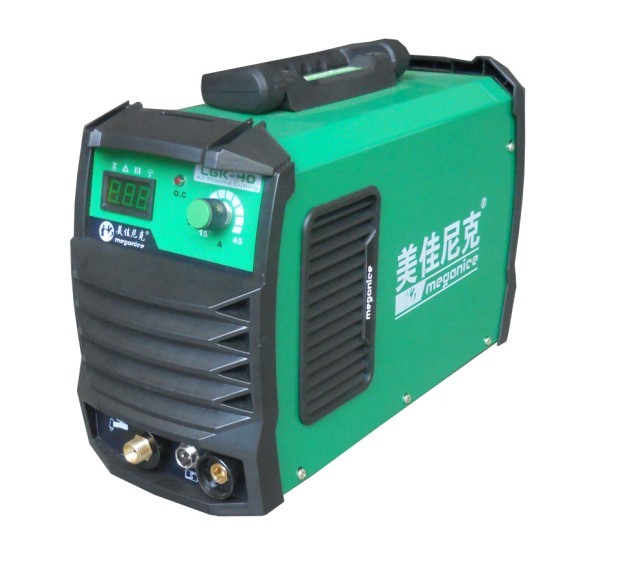
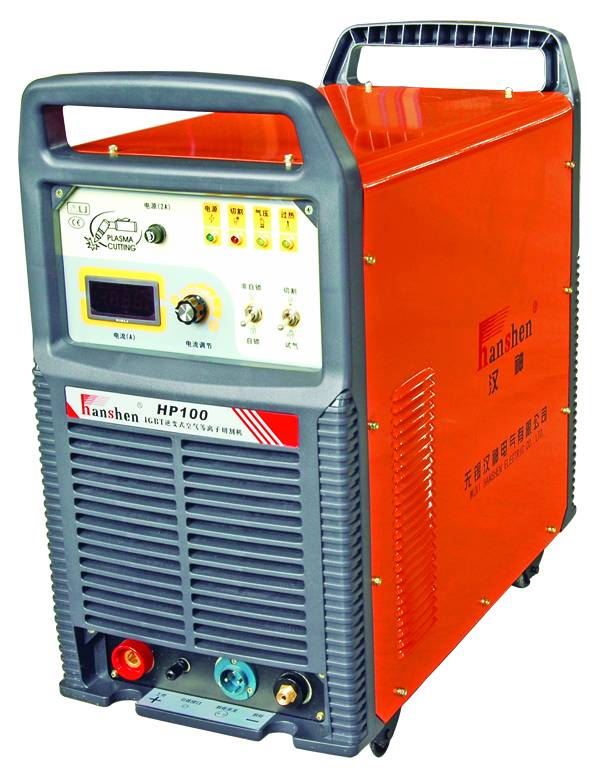
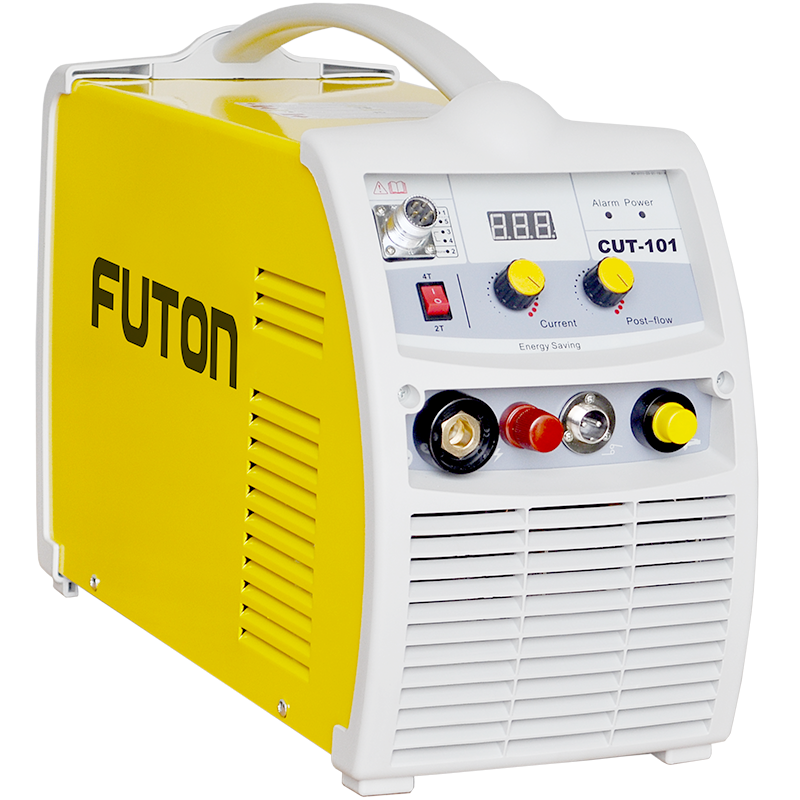
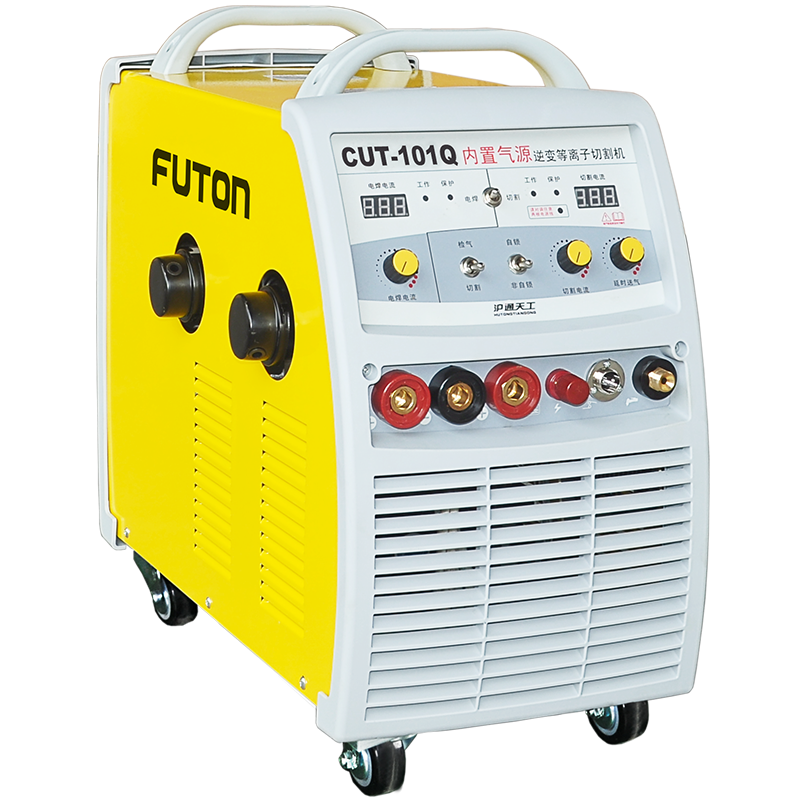
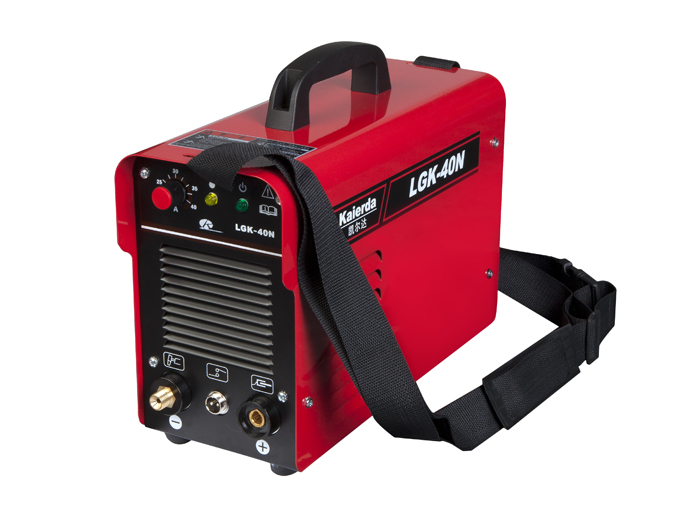
Source industrial-grade Plasma Welders from vetted suppliers and manufacturers in China and Asia. Designed for importers, wholesalers, and brands seeking OEM/private-label production, our bulk sourcing solutions ensure rigorous quality control, accurate duty-cycle ratings, and reliable supply chains for your welding equipment.
Sourcing plasma welders at scale requires navigating a complex manufacturing landscape where external chassis design often masks internal component compromises. For B2B buyers—whether stocking distribution channels or developing an OEM line of welding equipment—the primary challenge is ensuring that the machines deliver on their stated duty cycles and arc stability under heavy industrial use.
Plasma arc welding (PAW) equipment demands higher precision in gas flow control and thermal management than standard TIG machines. Partnering with the right factory means looking past the spec sheet and verifying the actual origin of the critical internal components.
Critical Specifications and Component Quality
The reliability of a plasma welder hinges on its inverter architecture and thermal management systems. When negotiating specifications with manufacturers, focus on the core components that dictate performance and longevity.
| Subsystem | Standard Commercial | Heavy Industrial |
|---|---|---|
| Inverter Technology | Discrete IGBTs (Generic) | High-capacity IGBT Modules (e.g., Infineon, Fuji) |
| Transformer Winding | Aluminum or Copper-clad Aluminum | 100% Copper Winding |
| PCB Protection | Basic lacquer coating | Heavy conformal coating against metal dust |
| Cooling System | High-RPM Air Cooled | Integrated Water-Cooling interface |
Duty Cycle Integrity
A common failure point in imported welding equipment is exaggerated duty cycle ratings. A machine rated for a 60 percent duty cycle at 200 amps must sustain that output for six minutes out of a ten-minute window without thermal shutdown. Substandard manufacturers achieve these ratings on paper by testing in artificially cool environments (e.g., 20 degrees Celsius) rather than the industry standard of 40 degrees Celsius.
Need to verify supplier claims? We help buyers audit factory testing protocols to ensure duty cycle ratings match real-world industrial environments.
Get a free consultationManufacturing Pitfalls and Factory Verification
Quality is won or lost on the factory floor, specifically in the assembly and testing phases. High-frequency pilot arc ignition systems generate significant electrical noise; if the internal control boards are not properly shielded and isolated, this interference can cause erratic arc behavior or control board failure.
When assessing a potential manufacturing partner, a comprehensive Factory Audit is essential. You must verify that the supplier has the in-house capability to perform rigorous end-of-line testing, rather than merely powering the unit on and off.
Critical Factory Testing Protocols
- Load bank testing at maximum rated amperage to verify true output.
- Thermal imaging of internal heat sinks and IGBTs during extended runs.
- Dielectric voltage-withstand (Hi-Pot) testing on all primary circuits.
- Verification of pilot arc high-frequency ignition stability across multiple cycles.
- Gas solenoid valve leak and flow-rate testing.
Relying on post-production spot checks is risky. Implementing strict Quality Control & Inspection protocols during production ensures that component substitutions—such as swapping premium capacitors for cheaper alternatives mid-run—are caught before assembly is completed.
OEM/ODM Customization, MOQs, and Pricing
For brands looking to develop proprietary equipment, OEM/ODM Services offer pathways to customize everything from the outer casing and digital display interfaces to specific firmware for pulse welding parameters.
- Typical MOQs: Standard configurations usually require Minimum Order Quantities of 50 to 100 units. Fully custom chassis designs or proprietary firmware modifications often push MOQs to 200 units or more to absorb the engineering and tooling costs.
- Pricing Drivers: The cost of a plasma welder is heavily dictated by the power output (amperage), input voltage (single-phase 220V vs. three-phase 380V/480V), and the origin of the IGBT modules. A standard 150A single-phase unit might range from $300 to $500, whereas heavy-duty 400A three-phase industrial units easily exceed $1,500 to $2,500 per unit at wholesale.
- Lead Times: Expect 30 to 45 days for standard production runs, extending to 60 days for initial OEM orders requiring new molds or firmware validation.
Streamline your OEM product development and secure competitive pricing with our end-to-end supply chain management.
Talk to our teamFrequently Asked Questions
Successfully sourcing plasma welders requires a deep understanding of power electronics and strict oversight of the assembly process. By focusing on component traceability, realistic thermal testing, and robust quality control, buyers can secure reliable equipment that stands up to demanding industrial environments.
Get Sourcing Help for Plasma Welders
Tell us your requirements and our experts will connect you with verified manufacturers.