Pizza Tools
Source commercial-grade pizza tools directly from vetted manufacturers and wholesale suppliers. Designed for importers, restaurant supply distributors, and kitchenware brands looking for reliable OEM or private-label production, our network delivers high-volume bakeware that meets global food safety and performance standards.
Sourcing pizza tools at scale requires navigating a fragmented supply base where consumer-grade novelties often masquerade as commercial-grade equipment. For professional buyers, the difference between a successful product line and costly returns lies in specifying the correct material gauges, ensuring thermal stability, and verifying structural integrity at the factory level.
Material Specifications and Tolerances
Whether you are procuring turning peels, rocker blades, or baking stones, material selection dictates both unit cost and functional lifespan. Factories typically offer several tiers of raw materials, and failing to specify the exact grade will often result in the supplier defaulting to the lowest-cost option.
| Tool Category | Optimal Material | Critical Sourcing Metric |
|---|---|---|
| Pizza Peels | Anodized Aluminum (Blade) | Gauge thickness of 1.2mm to 1.5mm; hard-anodized coating thickness. |
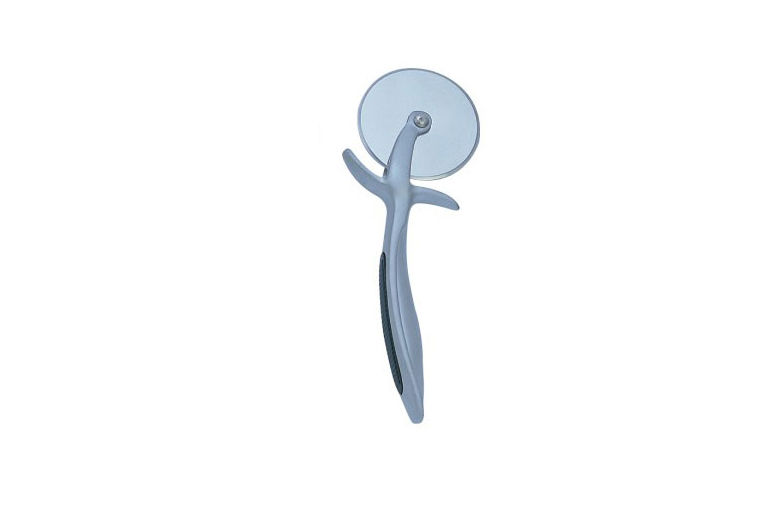
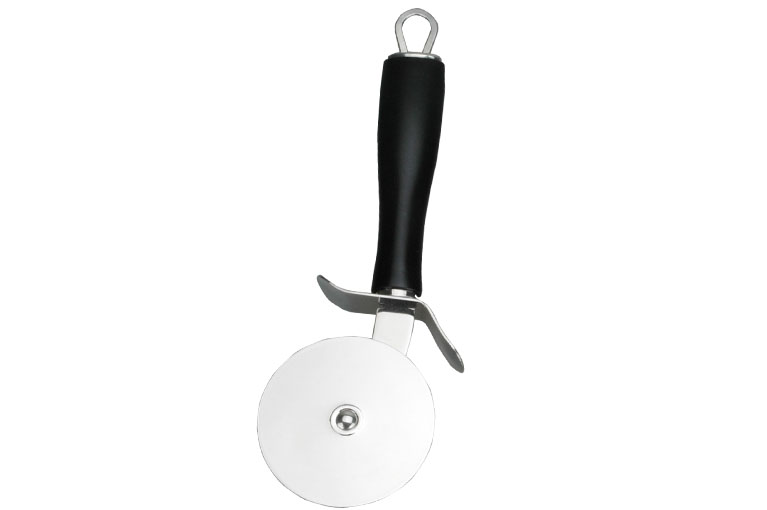
| Pizza Cutters | 304 or 430 Stainless Steel | Rockwell hardness (HRC); sealed bearing presence in wheel cutters. |
| Baking Stones | Cordierite | Thermal shock resistance up to 800°C; porosity levels. |
When sourcing peels, raw aluminum is prone to oxidation and sticking, making hard-anodized finishes the standard for professional markets. For cutting tools, 430 stainless steel is common for its edge retention, but 304 stainless steel is required for higher-end anti-corrosion applications, particularly in commercial dishwashing environments.
Need to verify a factory's material sourcing and production capabilities before placing a volume order?
Get a free consultationManufacturing Processes and Quality Control
The manufacturing of pizza tools involves stamping, anodizing, riveting, and precision grinding. Quality is won or lost on the assembly line, particularly where different materials join. For example, a common failure point in pizza peels is the rivet connection between the aluminum blade and the handle. If the riveting pressure is inconsistent, the handle will loosen after minimal use.
Implementing a strict Quality Control & Inspection protocol is essential. Standard pre-shipment inspections should focus on structural and functional stress tests rather than just visual defects.
Critical Factory-Level QC Checks
- Rivet pull-strength testing on peel handles to ensure zero play under load.
- Bearing rotation tests on wheel cutters to verify smooth, wobble-free movement.
- Hardness and edge-retention testing on rocker blades.
- Drop testing for cordierite stones in their final retail packaging.
- Coating adhesion tests for anodized or non-stick surfaces.
Compliance and Food Safety
Pizza tools are direct food-contact items. Depending on your target market, the products must pass specific regulatory testing. US markets require FDA compliance, while European markets demand LFGB certification, which is significantly more stringent, particularly regarding heavy metal migration from metal tools and chemical leaching from wooden handles or composite stones. Utilizing professional Compliance & Testing services ensures your shipment will not be held at customs or face retail rejection.
Customization, MOQs, and Pricing Drivers
Many brands require custom tooling for proprietary handle designs or specific blade dimensions. When engaging in OEM/ODM Services, expect the factory to charge a mold fee for custom aluminum stamping dies or plastic injection molds for handles, which is often refundable after a certain order volume is reached.
Pricing is highly sensitive to raw material commodity indices (particularly aluminum and stainless steel) and the level of finishing required. Hand-sharpened edges on rocker cutters or specialized kiln-firing for cordierite stones will increase costs and lead times.
Looking to develop a custom line of pizza tools or negotiate better terms with existing suppliers?
Talk to our teamFrequently Asked Questions
Successfully sourcing pizza tools requires moving beyond basic catalog selection and actively managing material specifications, tooling, and quality assurance. By strictly defining your requirements and validating supplier capabilities early, you protect your margins and ensure reliable performance in the kitchen.
Get Sourcing Help for Pizza Tools
Tell us your requirements and our experts will connect you with verified manufacturers.