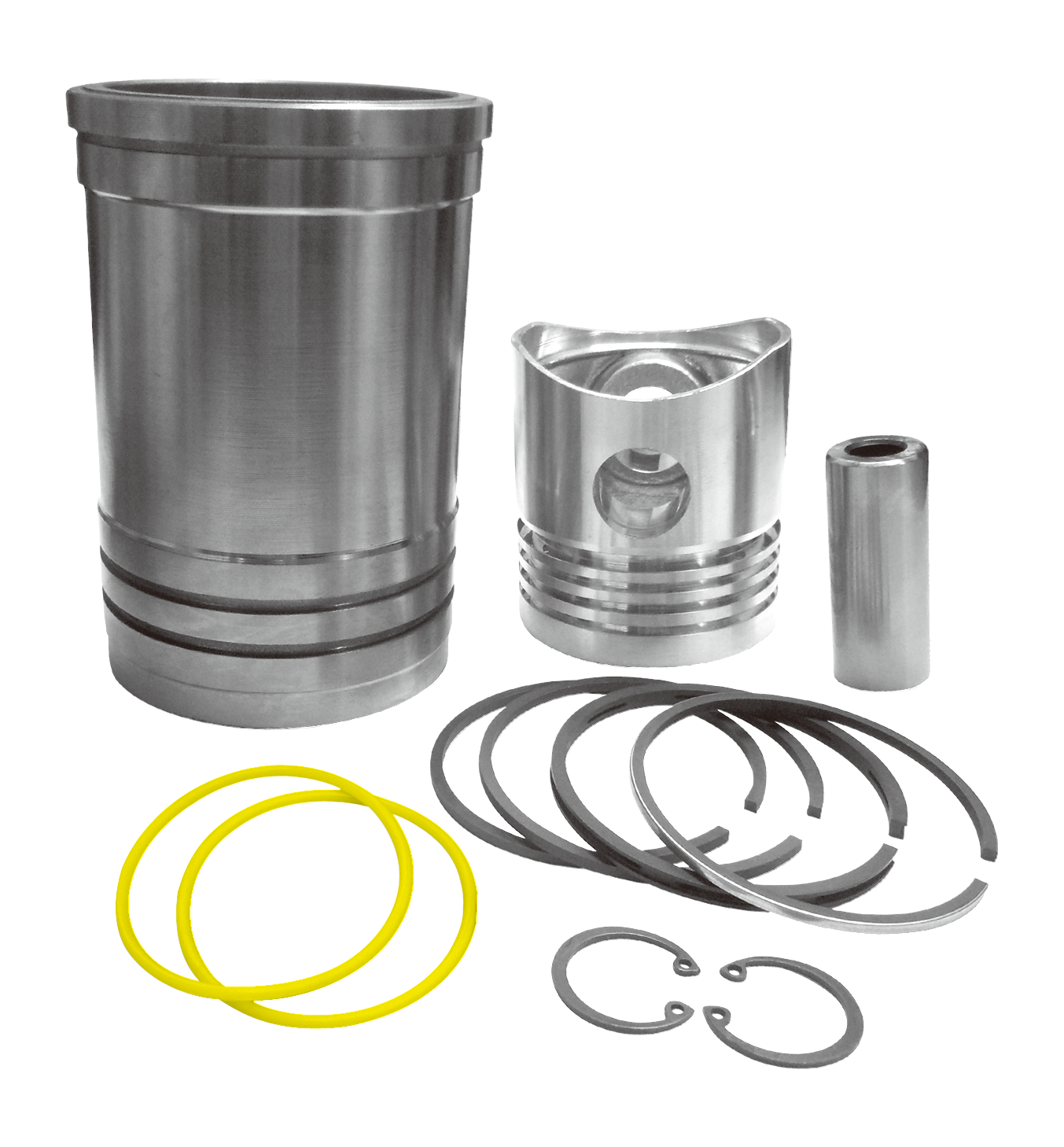
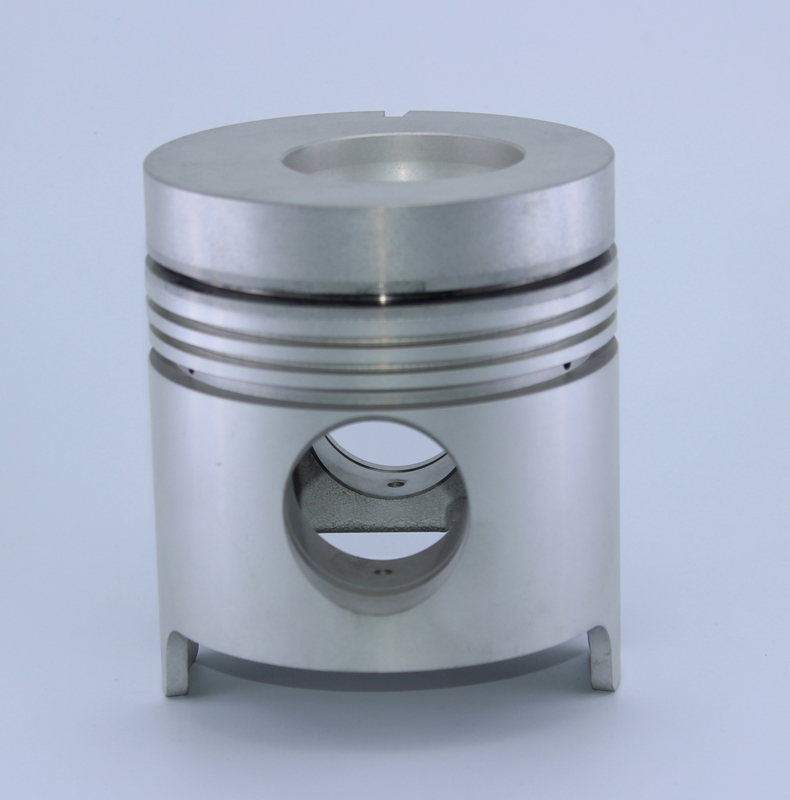
Pistons & Parts
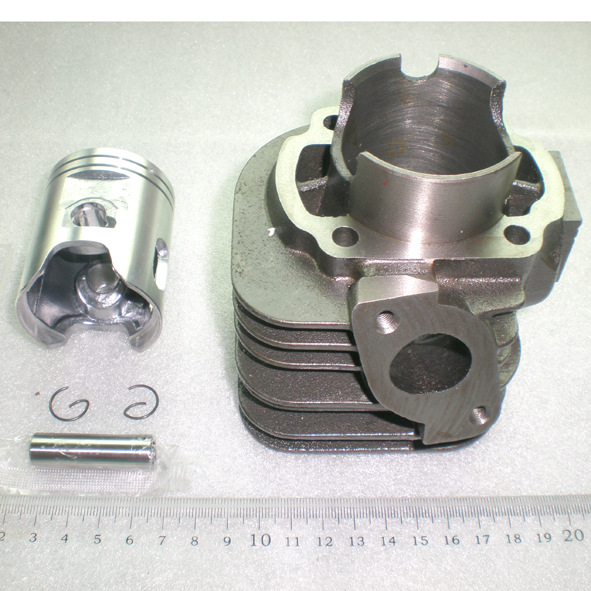
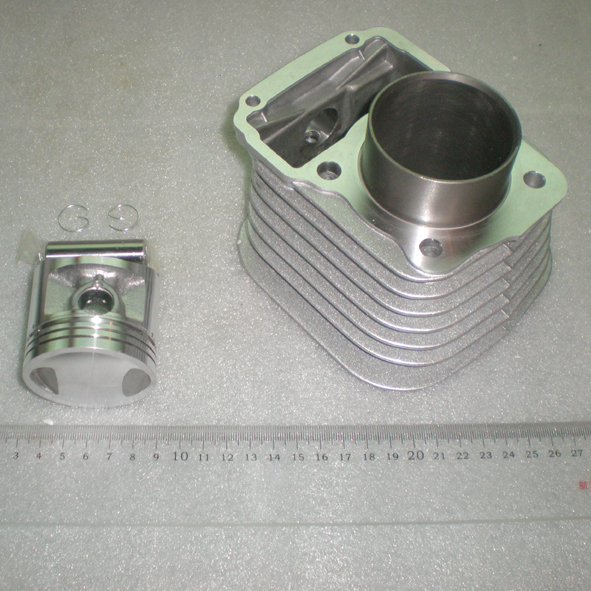
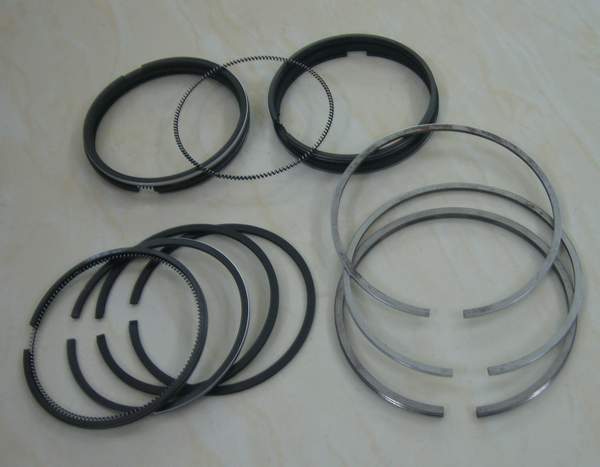
Source high-performance pistons and parts from vetted manufacturers and wholesale suppliers across Asia. Built for importers, automotive distributors, and performance brands requiring OEM or custom production, our supplier network delivers precision-engineered engine components at scale.
Sourcing pistons in volume requires navigating a highly technical landscape of metallurgical specifications, machining tolerances, and thermal expansion dynamics. Whether you are supplying aftermarket repair shops, heavy-duty diesel distributors, or building a private-label performance brand, the difference between a reliable engine component and a catastrophic failure lies entirely in factory-level execution. Precision cannot be assumed; it must be engineered and verified at the source.
Metallurgy and Material Specifications
The foundation of any piston sourcing program is the alloy. Suppliers generally categorize their capabilities by casting methods and silicon content, which dictates the piston's thermal expansion rate, wear resistance, and ultimate tensile strength.
| Alloy Type | Silicon Content | Primary Application | Manufacturing Method |
|---|---|---|---|
| Hypoeutectic | Under 12% | Standard passenger vehicles | Die Cast |
| Eutectic | Approx. 12% | Heavy-duty aftermarket | Cast or Forged |
| Hypereutectic | 16% to 19% | High-performance / Marine | Cast (Specialized) |
| 2618 / 4032 Aluminum | Varies by grade | Racing / Extreme duty | Forged |
When qualifying a new manufacturer, you must look beyond their spec sheet. The critical factor in high-silicon (hypereutectic) pistons is how the factory controls the cooling process to ensure uniform silicon distribution. Poor thermal management during casting leads to brittle spots and premature cracking under load.
Struggling to verify the true metallurgical capabilities of your current piston supplier? Let's discuss how to enforce strict material standards.
Talk to our teamMachining Tolerances and Quality Control
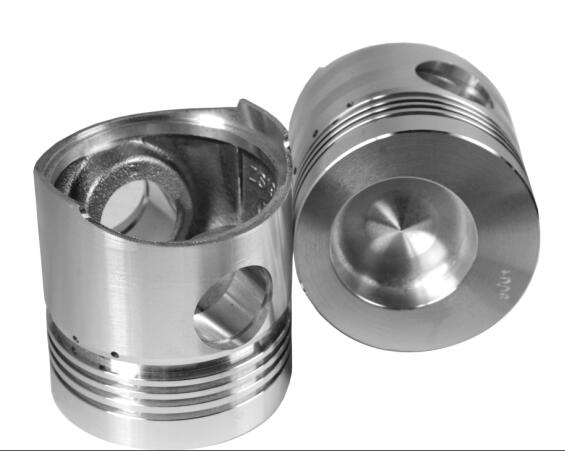
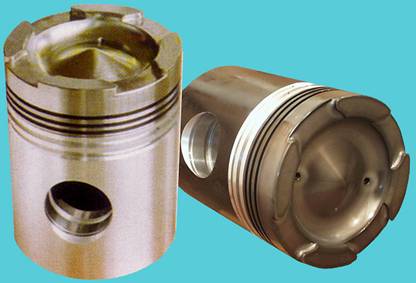
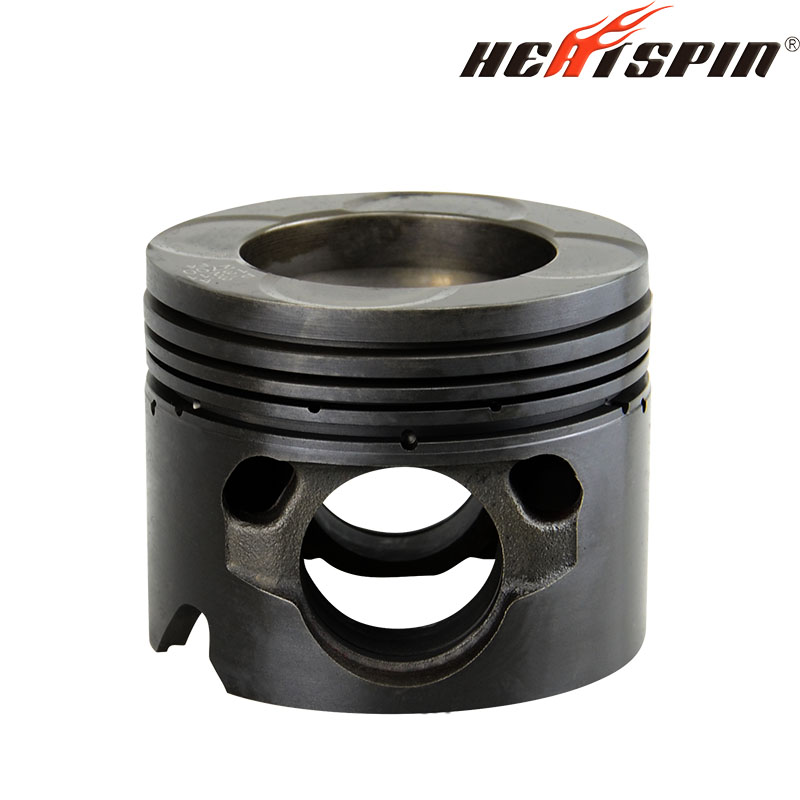
While casting or forging creates the blank, the piston's performance is won or lost in the CNC machining phase. Piston skirts are rarely perfectly cylindrical; they are typically barrel-shaped and cam-ground (oval) to compensate for uneven thermal expansion during engine operation.
Executing this level of oversight requires rigorous quality control and inspection directly on the factory floor, long before the parts are boxed.
Critical In-Line Inspection Points for Pistons
- Ring groove parallelism and waviness tolerances (often required to be under 0.01mm)
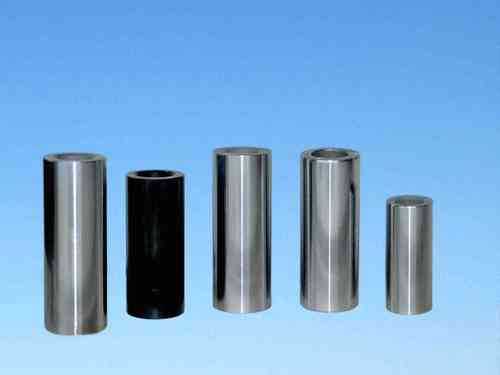
- Wrist pin bore diameter and surface finish (Ra values for proper oil retention)
- Skirt profile and cam grinding accuracy for thermal expansion management
- Coating thickness and adhesion (e.g., molybdenum disulfide or Teflon skirt coatings)
Before tooling begins on a new product line, running comprehensive factory audits is essential to verify their casting facilities, CNC machinery capabilities, and internal quality management systems (such as IATF 16949 certification).
Customization and OEM Production
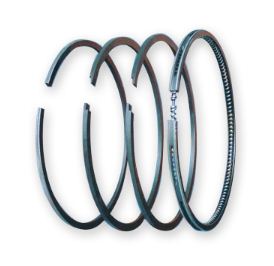
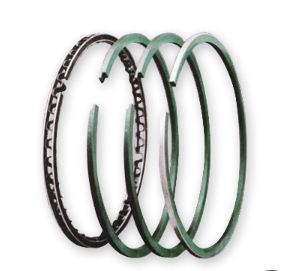
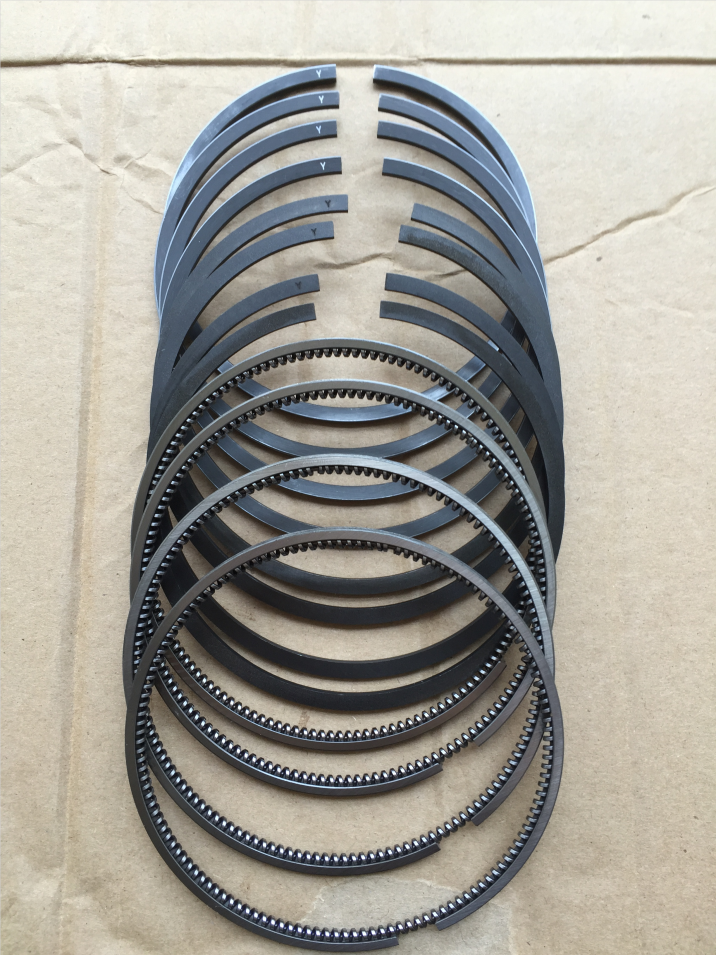
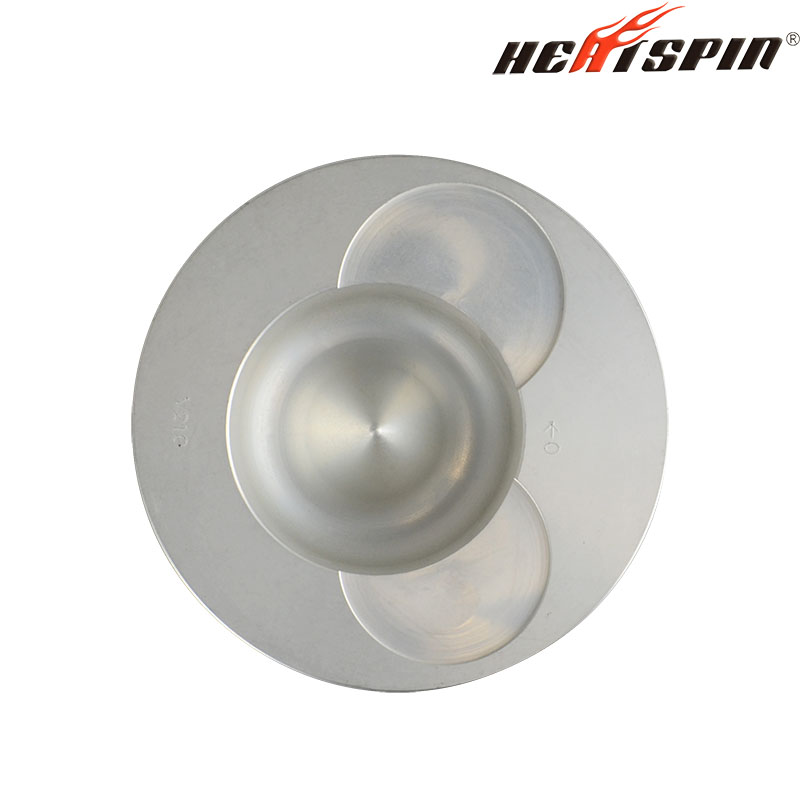
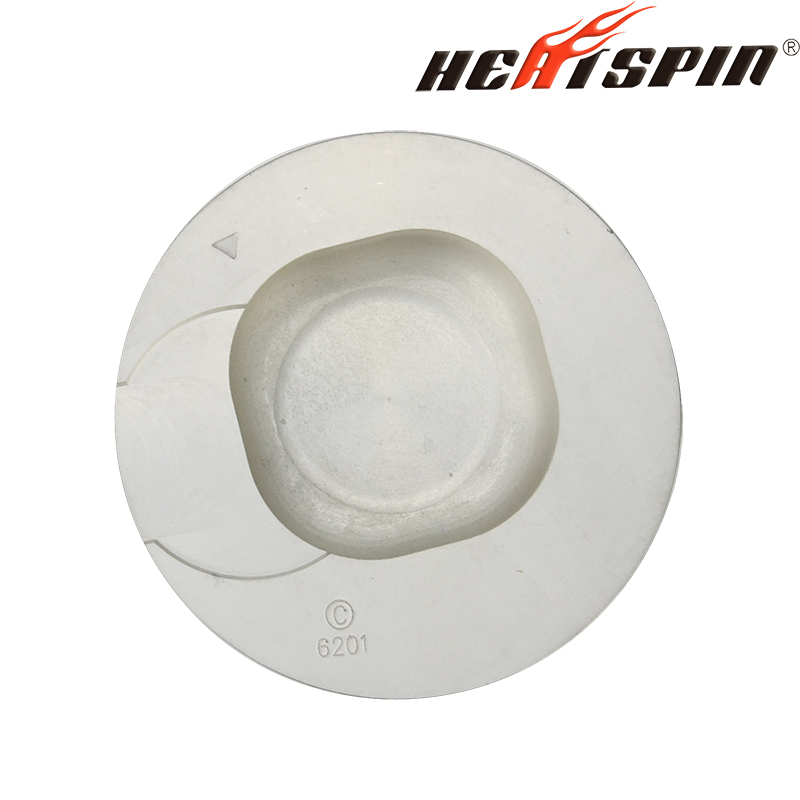
For brands developing proprietary profiles, leveraging OEM/ODM services allows for custom dome shapes, valve reliefs, and specialized ring packs. When reverse-engineering an existing OEM piston for the aftermarket, the supplier must accurately map the original skirt profile. Ensure your manufacturing partner has in-house 3D scanning and coordinate measuring machines (CMM) to validate the first-article samples against your CAD models.
Production Realities: MOQs, Lead Times, and Tooling
Understanding the economic drivers of piston manufacturing helps structure better purchasing agreements. Cast pistons require dedicated molds, making them volume-dependent, whereas forged pistons are often machined from generic blanks, allowing for more flexible batch sizes.
Tooling costs for cast pistons generally range from $1,500 to $4,000 per mold, depending on the complexity of the internal coring and whether it is a multi-cavity tool. Amortizing these costs over your annual volume is a key negotiation point.
Need to negotiate better tooling terms or consolidate your aftermarket parts sourcing? We can help structure your next bulk order.
Get a free consultationFrequently Asked Questions
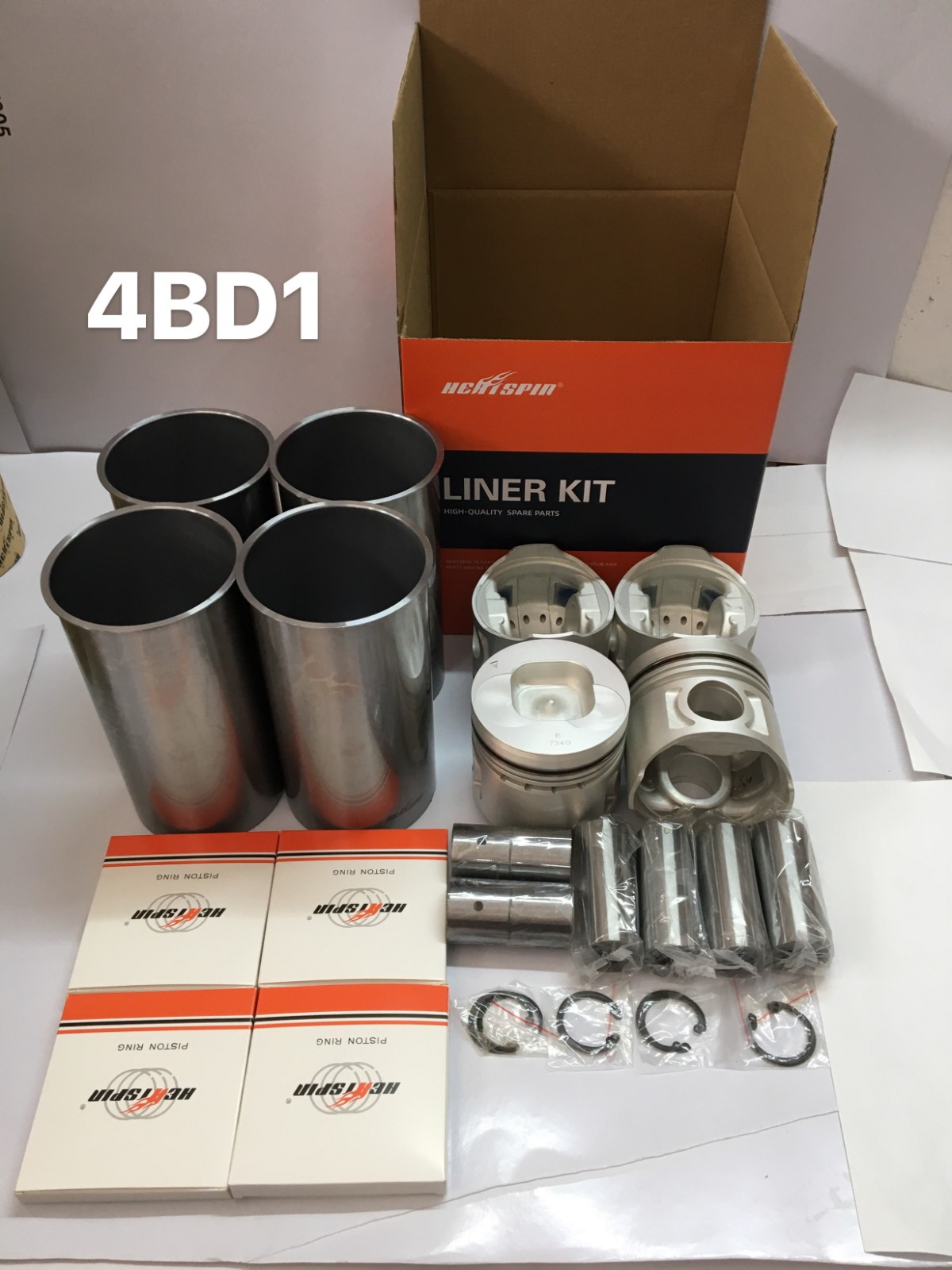
Sourcing reliable engine components requires moving beyond basic Alibaba searches and deeply understanding the factory's engineering culture. By controlling the metallurgy, enforcing strict machining tolerances, and managing the tier-2 supply chain for rings and pins, you can build a highly profitable and reliable automotive parts program.
Get Sourcing Help for Pistons & Parts
Tell us your requirements and our experts will connect you with verified manufacturers.