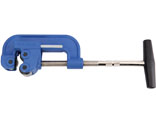
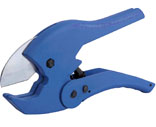
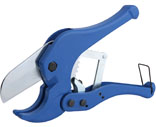
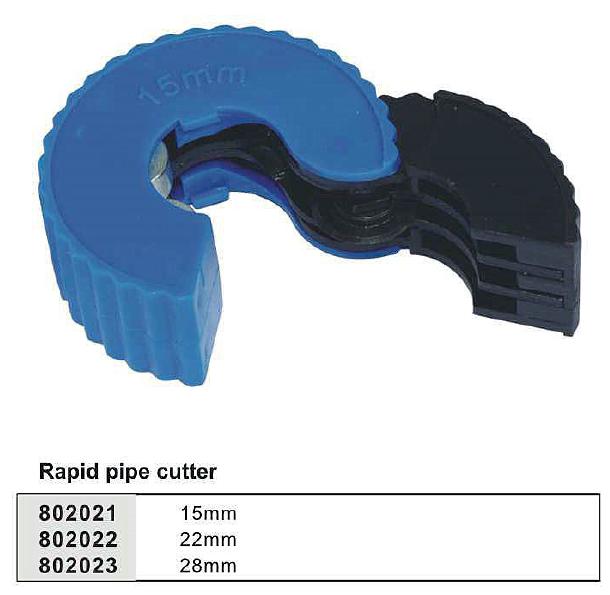
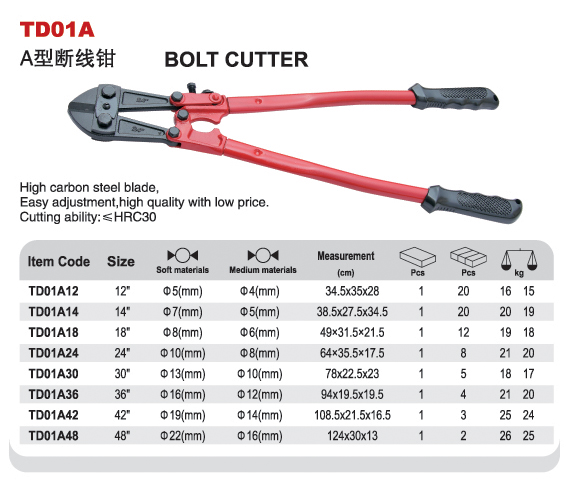
Pipe Cutters
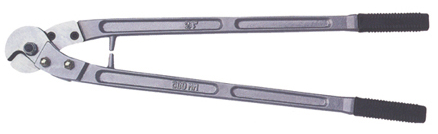
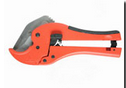
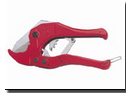
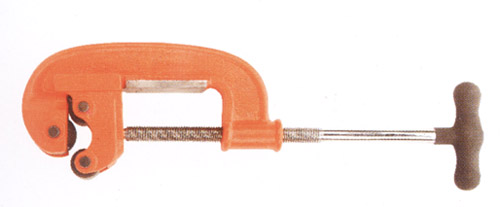
Source professional-grade Pipe Cutters from vetted suppliers and manufacturers across Asia. Designed for importers, wholesalers, distributors, and brands seeking reliable OEM production, our network delivers consistent cutting performance, durable metallurgy, and competitive bulk pricing for your hardware supply chain.
Sourcing professional-grade pipe cutters in bulk demands a strict focus on metallurgy and machining tolerances. Whether you are supplying plumbing contractors, HVAC technicians, or industrial maintenance crews, the difference between a reliable tool and a high-return liability lies in blade hardness, roller alignment, and thread precision.
Core Specifications for Bulk Procurement
To ensure field reliability and minimize defect rates, your technical specification sheet must clearly define the materials and construction methods for both the cutting wheel and the main housing. Vague specifications often result in suppliers defaulting to lower-grade carbon steels to hit aggressive price points.
| Component | Standard Grade | Professional/Industrial Grade |
|---|---|---|
| Cutting Wheel | Carbon Steel (HRC 52-55) | SUJ2 or SK5 Alloy Steel (HRC 58-62) |
| Body Housing | Die-cast Zinc | Forged Aluminum or Ductile Iron |
| Rollers | Standard steel, un-grooved | Flared-groove hardened steel |
| Feed Screw | Exposed standard thread | Enclosed thrust-bearing feed |
Struggling to verify blade hardness claims from overseas suppliers? Let us validate factory capabilities and material certifications before you place an order.
Talk to our teamManufacturing Tolerances and Quality Control
The primary failure mode for rotary pipe cutters is "walking" or spiraling—where the blade fails to track perfectly in its own groove, ruining the pipe. This defect is almost always caused by poor machining tolerances in the roller pins or excessive play in the feed screw mechanism.
When setting up your Quality Control & Inspection protocols, mandate strict checks on the assembly line to catch these alignment issues before shipment.
Critical QC Checks for Pipe Cutters
- Blade runout testing: Ensure lateral movement is zero under load.
- Tracking accuracy: Test cuts on rigid stainless steel to verify continuous groove alignment.
- Feed screw operation: Must rotate smoothly without binding across the entire capacity range.
- Hardness verification: Spectrometer and Rockwell hardness testing on random batch samples of the cutting wheels.
OEM and Private Label Considerations
For brands looking to differentiate their hand tool lines, leveraging OEM/ODM Services offers significant customization beyond simple color changes and logo lasering. Leading manufacturers can modify the cutting wheel geometry—such as specifying thinner profiles for stainless steel or wider, specialized angles for PVC and PEX shears.
You can also upgrade the internal thrust bearings to reduce the turning force required by the end user. When negotiating these structural upgrades, ensure the factory has in-house CNC machining capabilities rather than outsourcing the precision components to unverified sub-tier suppliers.
Typical MOQs, Pricing, and Lead Times
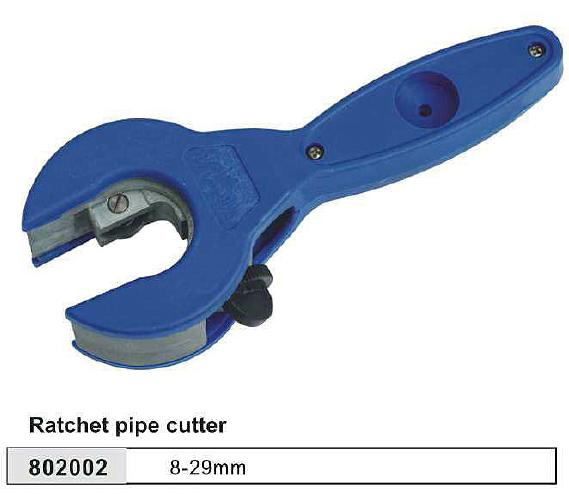
Procurement costs are heavily influenced by the raw materials and the complexity of the feed mechanism (for example, quick-release ratcheting mechanisms versus standard screw feeds).
Before committing to large volumes, conducting thorough Factory Audits is essential. You must verify that the supplier actually manufactures the heavy-duty frames and machines the critical components, rather than simply assembling outsourced, lower-grade parts in a trading-company environment.
Ready to optimize your hand tool supply chain? We negotiate MOQs, audit facilities, and oversee production to ensure your exact specifications are met.
Get a free consultationFrequently Asked Questions
Successful procurement in the pipe cutter category comes down to locking in strict material specifications and enforcing machining tolerances at the factory level. By controlling the metallurgy and assembly precision, you protect your brand from costly field failures and returns. If you need experienced boots on the ground to manage supplier vetting, technical negotiations, and quality assurance, our team is ready to support your sourcing operations.
Get Sourcing Help for Pipe Cutters
Tell us your requirements and our experts will connect you with verified manufacturers.