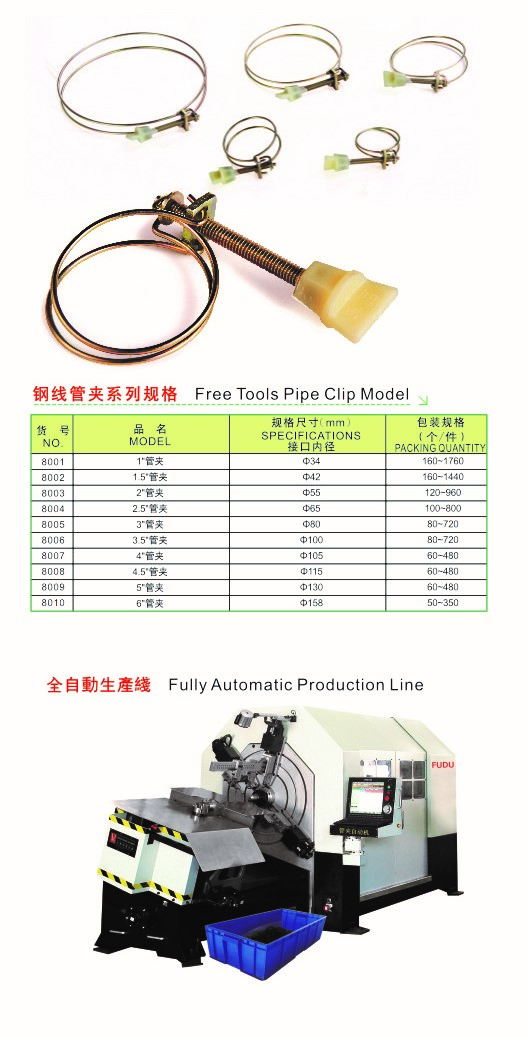
Pipe Clamps
Source high-quality pipe clamps from vetted suppliers and manufacturers across Asia. Designed for hardware importers, industrial distributors, and brands seeking reliable bulk or OEM/ODM production, our network delivers consistent performance and competitive pricing for all your wholesale fastener needs.
Sourcing industrial pipe clamps requires balancing material strength, corrosion resistance, and unit cost. Whether you are stocking standard HVAC supports, heavy-duty hydraulic clamps, or specialized plumbing fasteners, securing a supply chain that maintains strict dimensional tolerances is critical to avoiding on-site installation failures.
Defining Critical Specifications
When negotiating with overseas manufacturers, vague specifications inevitably lead to inconsistent batches. Professional buyers must dictate exact parameters for materials, load capacities, and surface treatments.
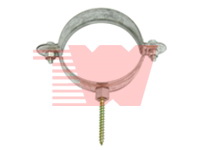
The core of a pipe clamp's durability lies in its material and finish. Carbon steel (Q235 or Q345) is the industry standard for stamped clamps, while malleable or ductile iron is preferred for heavy-duty cast variants. For corrosive environments, specifying the correct grade of stainless steel (304 or 316) is non-negotiable.
| Surface Treatment | Corrosion Resistance | Typical Application |
|---|---|---|
| Electro-Zinc Plated | Moderate (Indoor) | Standard HVAC & plumbing |
| Hot-Dip Galvanized | High (Outdoor) | Industrial & exterior piping |
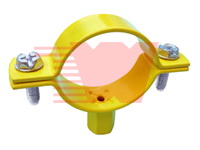
| Epoxy Powder Coated | High (Chemical) | Wastewater & chemical plants |
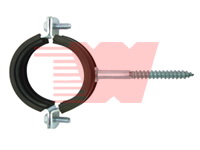
Additionally, if your clamps require EPDM rubber linings for acoustic insulation or vibration damping, specify the temperature rating and Shore hardness of the rubber. Inferior rubber compounds will degrade rapidly under thermal stress.
Struggling with inconsistent zinc plating or threading defects? Merhein's on-the-ground engineers can audit and upgrade your fastener supply chain.
Talk to our teamManufacturing and Quality Control
Pipe clamps are typically produced via stamping (for lightweight and standard duty) or casting (for heavy duty). The primary risk in stamped clamps is metal fatigue or micro-cracking at the bend radius, often caused by using substandard steel or poorly maintained tooling. For cast clamps, porosity and uneven wall thickness are the primary failure points.
Relying solely on a factory's internal testing is risky. Implementing rigorous Quality Control & Inspection protocols before shipment is the only way to ensure batch consistency.
Pre-Shipment Inspection Focus Areas
- Dimensional accuracy against the Nominal Pipe Size (NPS) and Outer Diameter (OD).
- Thread tolerance checks on all welded nuts and fastening bolts using Go/No-Go gauges.
- Salt spray testing (typically 48 to 96 hours) to verify plating thickness and corrosion resistance.
- Tensile pull testing to confirm the clamp meets the specified safe working load (SWL).
- Adhesion testing for EPDM rubber linings to prevent delamination during installation.
Before placing high-volume orders, especially for heavy-duty applications, conducting thorough Factory Audits ensures the facility actually has the in-house stamping presses, welding robots, and testing equipment they claim to possess.
MOQs, Pricing, and Lead Times
The fastener market operates on tight margins and high volumes. Tooling costs for standard pipe clamps are generally low, but custom profiles or proprietary locking mechanisms will require new molds or stamping dies. If you are developing proprietary fastening solutions, leveraging professional OEM/ODM Services can help you navigate tooling ownership and IP protection.
Pricing is heavily indexed to global steel commodity rates and the thickness of the material used. A common tactic for suppliers to artificially lower prices is to thin the steel gauge by a fraction of a millimeter—a change barely noticeable to the eye but disastrous for load-bearing capacity. Always specify the exact material thickness and stipulate strict tolerances in your purchase order.
Need to consolidate your fastener supply chain? Let Merhein negotiate better terms, enforce quality standards, and manage your logistics from factory floor to your warehouse.
Get a free consultationFrequently Asked Questions
Successfully sourcing pipe clamps in bulk comes down to controlling the variables: steel thickness, plating quality, and thread tolerances. By setting rigid specifications and verifying them through independent inspection, you protect your margins and your reputation in the market.
Get Sourcing Help for Pipe Clamps
Tell us your requirements and our experts will connect you with verified manufacturers.