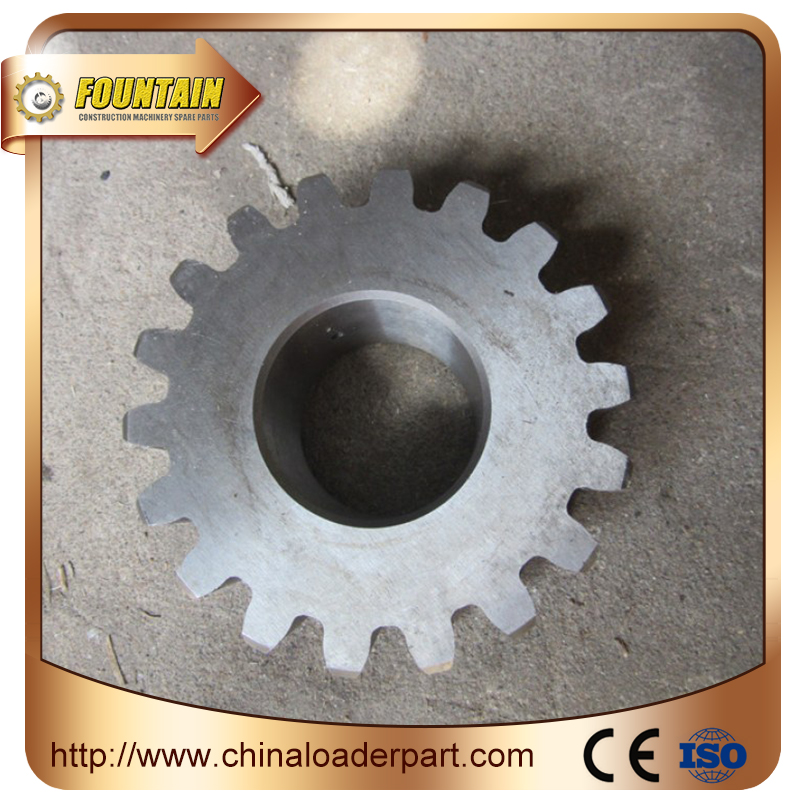
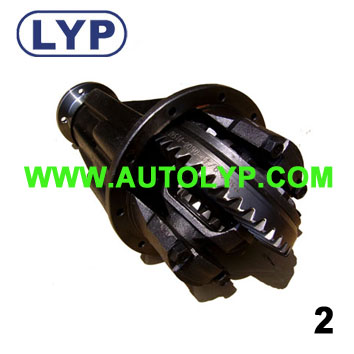
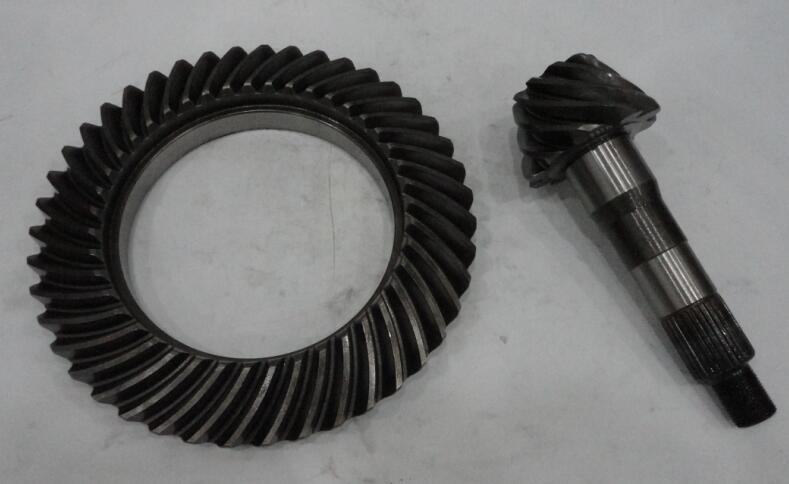
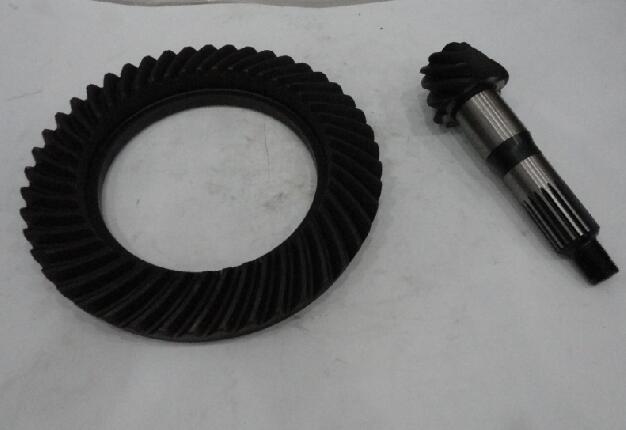
Pinion Gears & Differential Rings
Source high-performance pinion gears and differential rings directly from vetted manufacturers and suppliers. Built for importers, automotive parts distributors, and brands seeking reliable OEM production, our network delivers precision-engineered ring and pinion sets in bulk to meet strict transmission standards.
Sourcing pinion gears and differential rings in high volumes requires strict attention to metallurgy, machining precision, and heat treatment protocols. Because these components endure immense torque and shear forces within the drivetrain, slight deviations in gear tooth geometry or material hardness lead directly to excessive noise, premature wear, and catastrophic transmission failure.
Material Selection and Forging Standards
The foundation of a reliable ring and pinion set is the raw steel billet. High-grade alloy steels are mandatory to ensure the core remains tough while the surface achieves the necessary hardness for wear resistance.
When establishing specifications with your manufacturer, standardizing the material grade is the first step. Chinese manufacturers commonly utilize domestic steel grades that cross-reference to international standards, but verification is critical.
| Material Grade | Core Hardness | Tensile Strength | Typical Application |
|---|---|---|---|
| 20CrMnTi (China Standard) | HRC 33-45 | 1080 MPa | Standard passenger and commercial vehicles |
| SAE 8620 (US Standard) | HRC 35-45 | 1000 MPa | Heavy-duty trucks, performance aftermarket |
| SAE 4320 | HRC 40-48 | 1150 MPa | High-torque industrial and racing applications |
Beyond the alloy, the forging process dictates the grain flow of the metal. Closed-die forging is standard for differential rings to ensure structural integrity along the gear teeth.
Need to verify a supplier's metallurgical capabilities? We help buyers audit factories and secure reliable production lines for drivetrain components.
Talk to our teamMachining and Heat Treatment Control
The manufacturing sequence for hypoid gears is complex. After blanking and initial turning, the gear teeth are cut using specialized CNC gear generators (such as Gleason or Oerlikon systems).
Where many lower-tier factories fail is in the heat treatment and subsequent lapping processes. Pinion gears and differential rings must be carburized and quenched. This hardens the outer case (typically HRC 58-62) while keeping the core ductile enough to absorb shock loads. Distortion during quenching is inevitable, which is why the ring and pinion must be lapped together as a matched set.
To prevent receiving mismatched or noisy gear sets, your quality control protocols must include verifying the factory's lapping and testing procedures.
Critical Factory Floor Checks for Gear Production
- Verify the use of continuous carburizing furnaces with strict carbon potential controls.
- Ensure rings and pinions are serialized and lapped as exact matched pairs.
- Check that gear contact patterns are tested on specialized Gleason roll-testing machines.
- Confirm runout tolerances are measured post-heat treatment (typically under 0.05mm).
- Audit the calibration records of the factory's Coordinate Measuring Machines (CMM).
Sourcing Logistics: MOQs, Tooling, and Lead Times
Procuring auto transmission systems at scale requires navigating tooling costs and minimum order quantities (MOQs). If you are utilizing OEM/ODM services for custom ratios or proprietary designs, expect to invest in custom forging dies and gear-cutting tooling.
For standard off-the-shelf ratios (e.g., 3.73, 4.10, 4.56), MOQs are generally lower, but production still requires significant setup time on the gear generators.
Before committing to a large production run, conducting thorough factory audits is essential to confirm the supplier actually owns the necessary Gleason machining centers and heat-treatment facilities, rather than outsourcing these critical steps to unverified sub-tier workshops.
Managing tooling investments and production schedules across multiple suppliers is complex. Let our experts streamline your drivetrain sourcing.
Get a free consultationFrequently Asked Questions
Sourcing precision drivetrain components is an exercise in risk management. Success depends entirely on partnering with manufacturers who maintain rigorous control over their metallurgy, machining, and heat treatment processes. By validating factory capabilities and enforcing strict quality standards early, you secure a reliable supply chain for high-performance differential gears.
Get Sourcing Help for Pinion Gears & Differential Rings
Tell us your requirements and our experts will connect you with verified manufacturers.