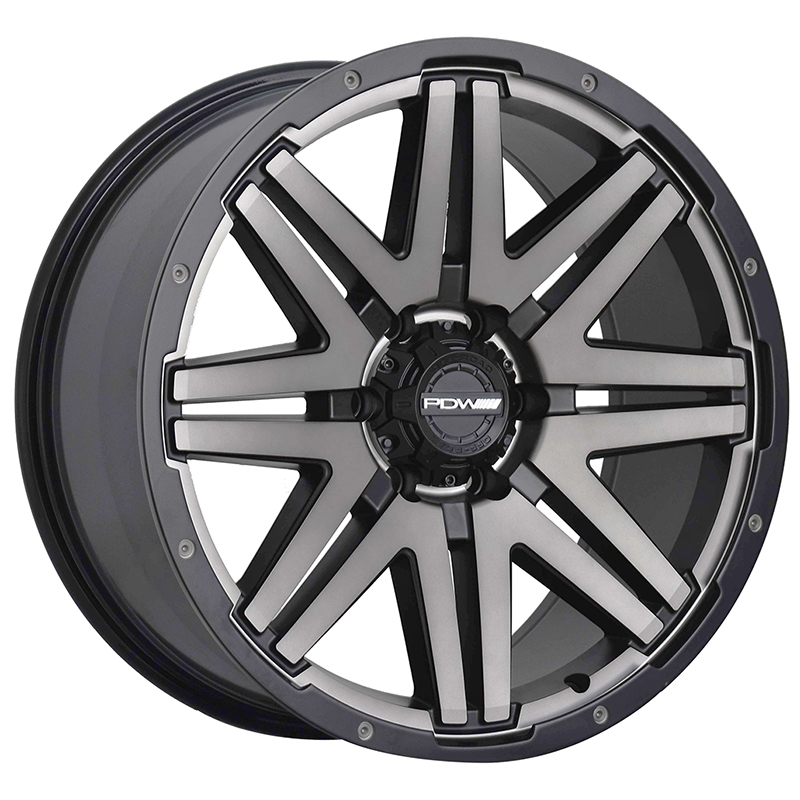
Pickup & SUV Wheels
Source bulk pickup and SUV wheels directly from vetted manufacturers and wholesale suppliers. Designed for automotive parts distributors, importers, and brands seeking reliable OEM and aftermarket production, our network delivers high-load capacity wheels built to rigorous international safety and performance standards.
Sourcing wheels for pickups and SUVs requires strict attention to structural integrity. Unlike standard passenger car wheels, light truck (LT) and SUV applications demand significantly higher load capacities to handle heavier vehicle weights, towing stresses, and off-road impacts. Balancing aesthetic trends with heavy-duty performance requires partnering with factories that maintain strict metallurgical control and rigorous testing protocols.
Wheel Manufacturing Processes
The production method dictates the wheel's unit cost, tooling investment, and ultimate strength. Most aftermarket pickup and SUV wheels are produced using low-pressure casting, though flow forming is rapidly gaining market share for premium applications.
| Attribute | Low-Pressure Cast | Flow Formed | Forged |
|---|---|---|---|
| Manufacturing Method | Molten alloy pushed into mold via pressurized gas | Cast face with barrel spun and compressed under heat | Solid billet machined under massive pressure |
| Strength-to-Weight | Standard | High (especially in the barrel) | Maximum |
| Tooling Cost | Moderate | Moderate to High | Very High |
| Ideal Application | Standard aftermarket truck/SUV wheels | Performance SUVs, heavy towing | Ultra-premium, off-road racing |
Gravity casting is generally avoided for heavy-duty truck applications due to lower material density and higher risk of porosity, which compromises load-bearing capacity.
Ensure your wheel designs meet strict structural requirements before tooling begins.
Talk to our teamCritical Specifications for Heavy-Duty Wheels
When developing a new wheel line or purchasing wholesale, the specifications must align perfectly with the target vehicle's gross axle weight rating (GAWR).
Key Technical Specifications to Define
- Load Rating: Must exceed half the vehicle's heaviest GAWR. Truck wheels typically require load ratings between 2,500 and 3,600 lbs per wheel.
- Pitch Circle Diameter (PCD): Must be precision-drilled. Common truck configurations include 5x150, 6x139.7, and 8x165.1.
- Center Bore & Hub-Centricity: Specify hub-centric designs to minimize sheer stress on the wheel studs during heavy towing.
- Offset & Backspacing: Critical for brake caliper clearance and suspension articulation, especially for lifted SUVs.
- Runout Tolerances: Lateral and radial runout should be strictly controlled (typically under 0.3mm) to prevent high-speed vibration.
Quality Control and Compliance Standards
A wheel's finish might sell the product, but its structural integrity prevents catastrophic failure. Reliable manufacturers subject their designs to dynamic testing before mass production. Key tests include radial fatigue testing (simulating straight-line load), cornering fatigue testing (simulating lateral forces), and 13-degree impact testing (simulating curb or pothole strikes).
Depending on your target market, wheels must meet specific regulatory or industry standards, such as SAE J2530 in the US, JWL/VIA in Japan, or TÜV in Europe. Navigating these requirements can be complex, which is where professional Compliance & Testing support becomes invaluable.
On the factory floor, hidden defects like micro-porosity (air bubbles in the cast aluminum) are the biggest threat to low-pressure cast wheels. Effective Quality Control & Inspection requires 100 percent X-ray inspection of the wheel structure before machining and finishing. Furthermore, comprehensive Factory Audits are essential to verify that a supplier actually possesses the in-house X-ray and dynamic testing equipment they claim.
Sourcing Mechanics: MOQs, Lead Times, and Pricing
Wheel production is capital and space-intensive. Minimum Order Quantities (MOQs) are driven by the setup time for the casting molds and the CNC machining centers.
Pricing is highly sensitive to global aluminum ingot prices (typically A356.2 alloy for cast wheels), the complexity of the CNC milling, and the finishing process (e.g., standard powder coat vs. tinted clear coats over brushed aluminum). If you are developing proprietary designs, utilizing experienced OEM/ODM Services ensures your intellectual property is protected and the tooling remains your exclusive asset.
Streamline your wheel sourcing, factory negotiations, and quality control.
Get a free consultationFrequently Asked Questions
Successfully sourcing pickup and SUV wheels requires balancing aesthetic appeal with non-negotiable structural demands. By partnering with audited facilities that prioritize metallurgical integrity and strict runout tolerances, importers can build a resilient, high-margin product line.
Get Sourcing Help for Pickup & SUV Wheels
Tell us your requirements and our experts will connect you with verified manufacturers.