Phosphates
Source industrial, agricultural, and food-grade phosphates from vetted manufacturers and wholesale suppliers across Asia. Designed for bulk importers, chemical distributors, and agricultural wholesalers, our network ensures reliable supply, strict purity compliance, and competitive factory-direct pricing for high-volume procurement.
Phosphates are foundational inorganic salts critical to agriculture, food processing, water treatment, and industrial manufacturing. Sourcing these chemicals at scale requires navigating volatile raw material costs, shifting environmental regulations in major producing regions, and strict purity grading. Securing a stable supply chain means looking beyond the quoted price to verify factory compliance, secure consistent raw material access, and ensure batch-to-batch quality stability.
Defining Phosphate Specifications and Grades
The intended application dictates the acceptable impurity profile and the manufacturing process required. Buyers must clearly specify the exact chemical composition, as generic requests often lead to receiving industrial-grade material unsuitable for food or specialized technical applications.
Key specifications include the P2O5 (phosphorus pentoxide) assay, water-insoluble matter, pH value in a 1% solution, and strict limits on heavy metals like Arsenic (As), Lead (Pb), and Fluoride (F).
| Grade | P2O5 Content | Heavy Metals Limit | Typical Applications |
|---|---|---|---|
| Agriculture / Fertilizer | 45% to 60% | Permissive (varies by market) | DAP, MAP, NPK blending |
| Technical / Industrial | 60% to 68% | Standard industrial limits | Water treatment, detergents (STPP) |
| Food & Pharma | Over 68% | Strict (As under 3ppm, Pb under 2ppm) | Food additives (SAPP, TSPP), buffers |
When sourcing food-grade or pharmaceutical phosphates, validating the factory's certifications (such as ISO 22000, FSSC, or GMP) is non-negotiable. Utilizing Compliance & Testing services ensures that the product meets the specific regulatory requirements of your destination market before it leaves the factory.
Struggling with inconsistent purity or heavy metal compliance? Let our chemical sourcing experts connect you with verified, export-ready phosphate manufacturers.
Discuss your chemical sourcing needsManufacturing Processes and Quality Vulnerabilities
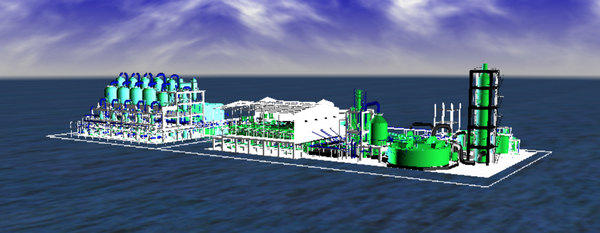
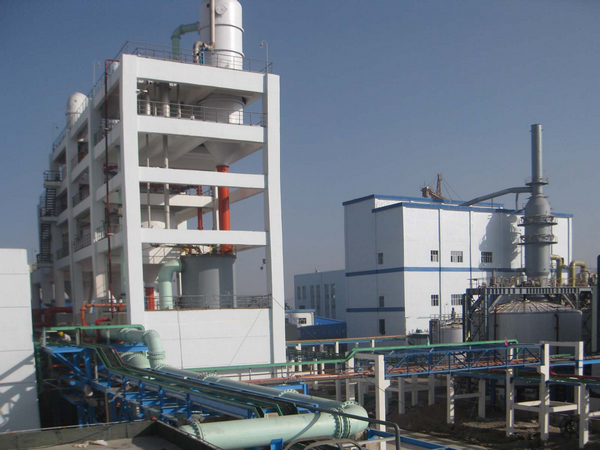
Phosphate quality is largely determined by the manufacturing route. The wet process involves reacting phosphate rock with sulfuric acid; it is highly cost-effective but leaves trace impurities, making it primarily suitable for fertilizers and basic industrial uses. The thermal process involves smelting phosphate rock to produce elemental phosphorus, which is then burned and hydrated. This yields exceptionally high purity required for food and tech grades, but carries a higher production cost due to energy consumption.
Quality control on the factory floor must address physical characteristics as much as chemical purity. Caking is a persistent issue for hygroscopic phosphates during ocean transit. Controlling the initial moisture content and properly applying anti-caking agents are critical steps.
Critical Pre-Shipment Inspection Points
- Verify P2O5 assay and water-insoluble matter against the factory Certificate of Analysis (CoA).
- Test for heavy metal compliance (Arsenic, Lead, Cadmium, Fluoride) via independent labs.
- Inspect particle size distribution (mesh size) to ensure consistency for downstream blending.
- Check moisture content and verify the application of anti-caking agents if specified.
- Assess packaging integrity (typically 25kg PP/PE bags or 1000kg jumbo bags) for moisture barriers.
Implementing rigorous Quality Control & Inspection prior to container loading is essential. Once a hygroscopic chemical cakes in a container, the entire batch may require costly reprocessing or be rendered entirely unusable.
Market Dynamics: Pricing, MOQs, and Lead Times
China is a dominant global supplier of phosphates, with production heavily concentrated in resource-rich provinces like Hubei, Yunnan, and Sichuan. However, pricing is highly susceptible to domestic environmental policies. Strict audits on phosphorus rock mining and wastewater discharge frequently lead to sudden factory shutdowns or reduced capacity, causing price spikes and extended lead times.
Because phosphates are dense, low-margin commodities, freight costs make up a significant portion of the landed price. Efficient Shipping & Freight coordination—maximizing container payloads without exceeding weight limits—is critical to maintaining competitive margins.
Need reliable supply amidst market volatility? We manage supplier negotiations, compliance, and logistics to secure your phosphate supply chain.
Get current pricing & lead timesFrequently Asked Questions
Successfully sourcing phosphates at scale requires a proactive approach to market volatility and strict oversight of chemical compliance. By partnering with experienced sourcing professionals, you can secure reliable factory relationships, ensure consistent purity, and optimize your logistics for heavy bulk commodities.
Get Sourcing Help for Phosphates
Tell us your requirements and our experts will connect you with verified manufacturers.