pH Meters
Source precision pH meters directly from vetted manufacturers and wholesale suppliers. Built for importers, distributors, and brands requiring OEM or private-label production, our network delivers reliable testing instruments for laboratory, industrial, and field applications at scale.
Sourcing pH meters in volume requires navigating a fragmented manufacturing landscape where the difference between a professional-grade instrument and an unreliable gadget lies entirely in electrode quality and PCB calibration. When buying in bulk, specifying the right components and ensuring consistent assembly is critical to avoiding high return rates from end-users experiencing rapid calibration drift or electrode failure.
Core Specifications for Bulk Procurement
The primary cost drivers and performance indicators for any pH meter are the electrode design and the internal processing capability. You must clearly define these parameters before approaching manufacturers.
| Meter Style | Typical Accuracy | Primary Application | Sourcing Consideration |
|---|---|---|---|
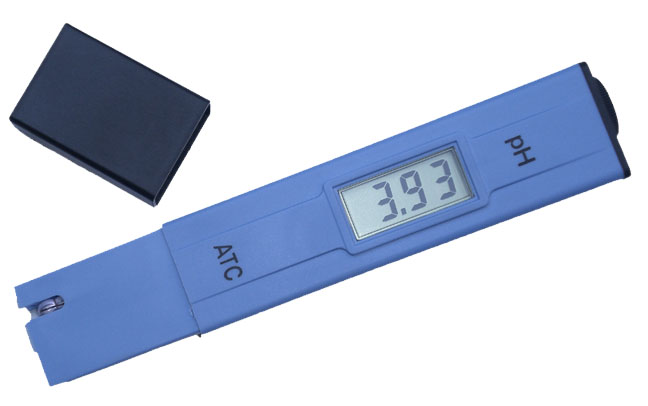
| Pen-Style (Pocket) | 0.1 to 0.01 pH | Hydroponics, pools, basic field work | Highly commoditized. Differentiate via waterproof IP ratings and replaceable electrodes. |
| Portable (Handheld) | 0.01 pH | Environmental testing, industrial QC | Requires robust casing (IP67) and high-quality BNC connectors for interchangeable probes. |
| Benchtop | 0.01 to 0.001 pH | Laboratory, pharmaceutical, R&D | Focus on advanced firmware, multi-point calibration, and GLP data management features. |
The Heart of the Meter: Electrode Quality
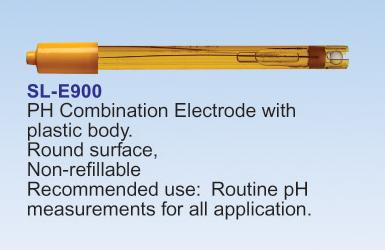
A pH meter is only as good as its electrode. The hydrogen-ion sensitive glass bulb and the reference junction dictate the lifespan and accuracy of the device.
- Glass Membrane: Standard glass is sufficient for aqueous solutions, but specialized applications (high temperature, high sodium) require specific glass formulations.
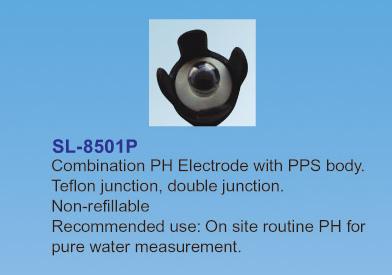
- Reference Junction: Ceramic junctions are standard, but for viscous liquids or samples containing proteins, double-junction or Teflon junctions are necessary to prevent clogging.
- Automatic Temperature Compensation (ATC): Since pH is temperature-dependent, ensure your OEM specifications mandate an integrated thermistor (usually 10K or 30K NTC) for accurate ATC.
Need help verifying a manufacturer's technical capabilities and electrode sourcing?
Talk to our teamManufacturing and Assembly Vulnerabilities
Most pH meter factories in China (heavily clustered in Guangdong and Zhejiang provinces) are essentially assembly and calibration houses. They purchase the glass electrodes from specialized glass manufacturers, mold the plastic casings, and assemble the PCBs.
Conducting thorough factory audits is essential to verify whether a supplier actually has climate-controlled calibration rooms and uses certified buffer solutions. Factories cutting corners will calibrate using expired or contaminated buffers, resulting in an entire batch of meters reading inaccurately out of the box.
Critical Quality Control Checks
Implementing rigorous quality control and inspection protocols before shipment is non-negotiable for testing instruments.
Pre-Shipment Inspection Focus Areas
- Electrode Hydration: Verify every electrode is shipped with a protective cap containing 3M KCL storage solution. Dry electrodes will degrade during ocean transit.
- Calibration Retention: Power cycle the device multiple times to ensure it retains its calibration data in memory.
- Slope Percentage: Test the electrode slope (should be between 95 percent and 105 percent); anything outside this range indicates a defective or aged glass bulb.
- Waterproof Integrity: For IP67 rated models, verify the battery compartment O-rings are properly seated and lubricated.
Purchasing Mechanics: MOQs, Pricing, and Customization
When engaging in OEM/ODM services for pH meters, costs scale significantly with the level of customization. Changing the plastic housing color or adding a logo is inexpensive, but developing custom firmware for specialized multi-parameter testing (pH/EC/TDS/Temp) requires higher upfront investment.
Looking to develop a custom pH testing product line with a reliable manufacturer?
Get a free consultationFrequently Asked Questions
Sourcing pH meters successfully means looking past the outer casing and focusing on the integrity of the electrode and the rigor of the factory's calibration process. Partnering with a team that understands these technical nuances ensures your bulk orders meet the precision standards your end-users demand.
Get Sourcing Help for pH Meters
Tell us your requirements and our experts will connect you with verified manufacturers.