Petroleum Processing Equipment
Source industrial-grade petroleum processing equipment directly from vetted manufacturers and suppliers. Designed for procurement managers, wholesalers, and specialized distributors importing heavy energy machinery in bulk, our catalog connects you to reliable factories for standard and custom OEM production.
Sourcing petroleum processing equipment requires navigating strict international standards, complex metallurgy, and high-stakes quality control. Whether you are procuring separators, heat exchangers, or fractional distillation units, securing reliable manufacturing partners in Asia demands rigorous vetting and deep technical oversight to ensure safety and operational efficiency.
Critical Specifications and Material Selection
The operational environment of petroleum processing—characterized by high pressures, extreme temperatures, and corrosive fluids—dictates stringent material requirements. When negotiating with manufacturers, your specification sheet must clearly define the exact metallurgical grades and pressure ratings required for your application. Relying on default factory specifications often leads to premature equipment failure in sour gas (H2S) or high-chloride environments.
| Material Grade | Typical Application | Cost Impact |
|---|---|---|
| Carbon Steel (ASTM A516) | Standard pressure vessels, non-corrosive environments | Baseline |
| Stainless Steel (316L/304) | Corrosive fluids, high-temperature processing | Moderate premium |
| Duplex/Super Duplex | Offshore processing, extreme sour gas (H2S) environments | High premium |
Beyond base materials, buyers must specify welding standards, corrosion allowances (typically 3mm to 6mm depending on the lifespan requirement), and the specific ASME or API codes the equipment must meet.
Need help verifying a manufacturer's API and ASME credentials before placing a bulk order?
Talk to our teamManufacturing Quality and Defect Prevention
Quality is won or lost on the factory floor, particularly in the welding and fabrication stages. A common sourcing pitfall is assuming a factory with an API certificate applies rigorous quality control to every production run by default. Continuous oversight is mandatory.
Key Factory-Level Quality Checks
- Verify welder qualifications and WPS (Welding Procedure Specifications) for the exact materials being joined.
- Ensure 100 percent Non-Destructive Testing (NDT) on critical pressure-retaining welds (Radiographic or Ultrasonic testing).
- Confirm Hydrostatic testing protocols, ensuring test pressures exceed design pressures by the required code margins.
- Inspect surface preparation and coating application (e.g., NACE standards) to prevent early-stage corrosion.
To mitigate risks, professional buyers implement independent quality control and inspection protocols, including in-line inspections during the welding phase and comprehensive pre-shipment sign-offs.
Sourcing Realities: MOQ, Lead Times, and Pricing
Procuring heavy industrial equipment differs significantly from standard commercial goods. Lead times are heavily influenced by raw material availability (especially for specialty alloys) and the complexity of custom fabrication.
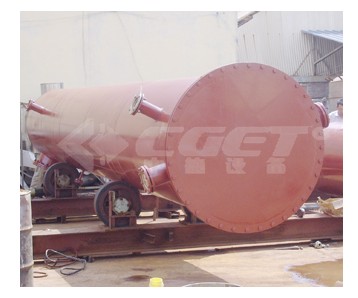
Because this equipment is often oversized and overweight, logistics planning must begin during the procurement phase. Moving out-of-gauge (OOG) cargo or heavy breakbulk requires specialized shipping and freight coordination to avoid severe delays at the port of origin.
Streamline your heavy machinery procurement, factory negotiations, and complex logistics.
Get a free consultationVerifying Supplier Capability
The Asian market features a wide spectrum of suppliers, from world-class fabricators to trading companies outsourcing to uncertified workshops. Conducting comprehensive factory audits is non-negotiable. An audit should evaluate the facility's heavy lifting capacity (cranes), in-house NDT capabilities, and traceability systems for raw materials (Mill Test Certificates).
Successfully importing petroleum processing equipment requires balancing cost efficiency with uncompromising safety and engineering standards. By thoroughly vetting manufacturing partners and implementing strict oversight at every production milestone, procurement teams can secure high-performance machinery that meets global compliance requirements.
Get Sourcing Help for Petroleum Processing Equipment
Tell us your requirements and our experts will connect you with verified manufacturers.