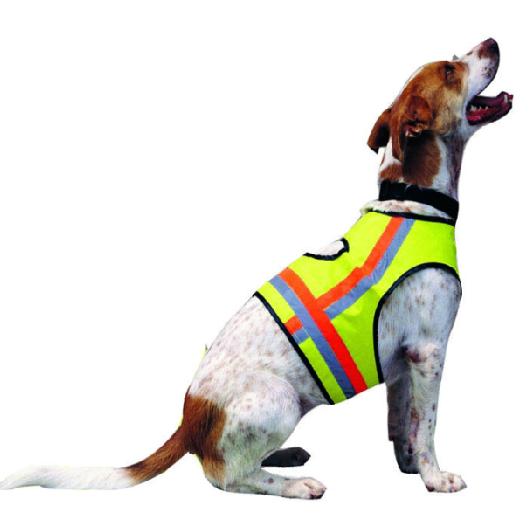
Pet Clothes
Source premium Pet Clothes in bulk from vetted manufacturers and suppliers. Designed for importers, wholesalers, and pet brands seeking reliable OEM and private-label production. Secure competitive pricing, strict quality control, and scalable manufacturing for your next apparel collection.
Sourcing pet clothes at scale requires balancing material durability with complex sizing variations. Unlike human apparel, pet clothing must accommodate extreme variations in chest-to-neck ratios, quadruped mobility, and specific behavioral wear-and-tear. For volume buyers, the primary challenge lies in finding manufacturing partners who understand specialized pattern grading and can maintain strict tolerances across a wide size run.
Fabric Selection and Material Specifications
The foundation of reliable pet apparel is fabric performance. Materials must withstand abrasion, frequent washing, and exposure to the elements while remaining non-irritating to the animal's skin and coat.
When developing tech packs for OEM/ODM production, specify the following parameters clearly:
- Fabric Weight (GSM): Typically ranging from 120 GSM for lightweight summer cooling shirts to over 300 GSM for winter fleece.
- Stretch and Recovery: High spandex content (typically 5 to 8 percent) is critical for garments covering the chest and forelegs to ensure mobility without bagging.
- Colorfastness: Pets are frequently exposed to rain and mud. Specify a colorfastness to washing and rubbing rating of Grade 4 or higher to prevent dye transfer onto the pet's fur.
| Fabric Type | Primary Use Case | Key Specifications to Demand |
|---|---|---|
| Poly-Cotton Blends | Everyday tees, hoodies | 65/35 ratio, anti-pilling finish, 160-200 GSM |
| Technical Fleece | Winter wear, activewear | Anti-static treatment, high thermal retention, 250+ GSM |
| PU-Coated Nylon | Raincoats, outdoor gear | Waterproof rating over 3000mm, breathable membrane |
Struggling to source technical fabrics or validate supplier capabilities? Let our sourcing experts match you with audited pet apparel factories.
Talk to our teamManufacturing Processes and Pattern Grading
The most common point of failure in bulk pet clothing orders is inconsistent sizing. A factory accustomed to standard human apparel often struggles with the anatomical differences between dog breeds. A Greyhound and a French Bulldog might share a back length but require entirely different neck and girth measurements.
Ensure your manufacturer utilizes advanced pattern grading software and has experience with breed-specific blocks. Stitching is equally critical; seams must lie flat to prevent chafing. Overlock stitching (often 4-thread or 5-thread) is standard for stretch fabrics, while flatlock seams are preferred for premium activewear lines.
Hardware and Safety Standards
Hardware failure on pet clothes can pose severe safety risks. Zippers, snaps, and D-rings must be heavily reinforced. D-rings integrated into apparel (for light leash attachment) require bar-tack stitching and reinforced nylon webbing backing. If a factory cannot provide pull-test data for hardware attachments, they are not suitable for functional pet apparel.
Critical Quality Control Checkpoints for Pet Apparel
- Verify pattern grading consistency across all sizes (tolerance within 1 to 2 cm).
- Conduct pull tests on all integrated D-rings and snaps (minimum 25kg force for small breeds, higher for large).
- Check for azo-free dyes and non-toxic materials, especially on chewable components.
- Ensure zipper guards are in place to prevent fur snagging during closure.
- Confirm anti-pilling and colorfastness test reports match the pre-production samples.
Partnering with a team that can execute rigorous quality control and inspection directly on the factory floor is the most effective way to prevent sizing and hardware defects from shipping.
Buying Mechanics: MOQs, Lead Times, and Pricing
Pet apparel production is heavily concentrated in specific textile hubs in China, particularly in Guangdong, Zhejiang, and Fujian provinces. Pricing is driven by fabric complexity, hardware quality, and the number of sizes per style.
Because pet clothes require extensive size runs (often XS to XXL or larger), negotiating Minimum Order Quantities (MOQs) is a balancing act. Factories typically calculate MOQs per fabric color rather than per size, but they will require a minimum volume per size to justify the cutting process.
When scaling up, ensuring your products meet local market regulations—such as heavy metal limits in hardware—is crucial. Utilizing professional compliance and testing services safeguards your brand against costly recalls.
Need to negotiate better MOQs across extensive size runs? We handle factory communication and price structuring for volume buyers.
Get a free consultationFrequently Asked Questions
Successfully sourcing pet clothes at scale comes down to controlling the variables: precise pattern grading, durable technical fabrics, and rigorous hardware testing. By defining your specifications clearly and validating factory capabilities early, you can build a reliable supply chain that delivers consistent quality across every size run.
Get Sourcing Help for Pet Clothes
Tell us your requirements and our experts will connect you with verified manufacturers.