Pet Cages
Source premium Pet Cages from vetted suppliers and manufacturers in China and across Asia. Designed for importers, wholesalers, distributors, and pet brands seeking reliable bulk purchasing and OEM/private-label production. Secure competitive pricing and reliable quality for your high-volume supply chain.
Bulk importing pet cages requires strict attention to structural integrity, material safety, and freight efficiency. Whether you are sourcing standard collapsible wire crates or heavy-duty steel tubular models, success hinges on specifying the exact wire gauge, ensuring non-toxic coatings, and verifying weld strength at the factory level. A poorly specified cage can lead to high defect rates, rusted inventory upon arrival, or severe safety liabilities.
Critical Specifications for Wire and Steel Cages
When negotiating with manufacturers, vague specifications invite corner-cutting. Professional buyers must define the exact parameters of the steel, the spacing, and the finishing process.
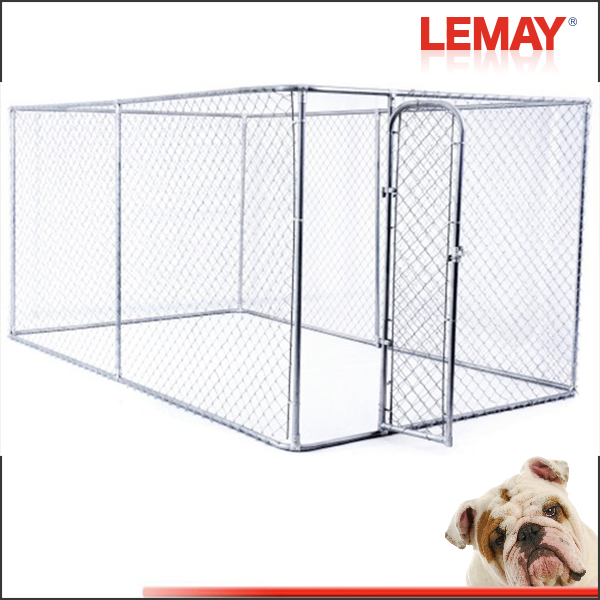
- Wire Gauge (AWG/SWG): Standard wire cages typically use a combination of gauges. The main frame wires require a thicker gauge (e.g., 7 to 9 AWG) for structural rigidity, while the internal mesh or infill wires can be lighter (11 to 12 AWG). Heavy-duty cages often utilize square steel tubing (e.g., 0.8mm to 1.2mm wall thickness) instead of standard wire.
- Mesh Spacing: Gap dimensions are critical for pet safety to prevent heads or paws from becoming trapped. Standard spacing is typically 1.5 inches for medium-to-large cages, but must be reduced to 1 inch or less for smaller breeds or specific animal types.
- Base Tray Material: The removable bottom pan is standard in almost all designs. Polypropylene (PP) is the industry standard due to its flexibility and cost-effectiveness, while Acrylonitrile Butadiene Styrene (ABS) offers higher impact resistance but increases unit cost.
| Coating Type | Process | Durability | Cost Impact |
|---|---|---|---|
| Electro-Coating (E-Coat) | Dip process, even coverage | High rust resistance | Moderate |
| Powder Coating | Sprayed and baked | Excellent scratch resistance | Low to Moderate |
| Zinc Plating | Chemical bath | Basic corrosion resistance | Low |
| Hammer-tone Finish | Textured powder coat | Hides scratches, very durable | Higher |
Navigating wire gauge specifications and factory capabilities? Let our sourcing experts help you align your product requirements with vetted manufacturers.
Get a free consultationManufacturing Vulnerabilities and Quality Control
The factory floor is where a profitable product can easily turn into a liability. Pet cages involve extensive spot welding, and inconsistent voltage or rushed assembly lines lead to "cold welds" that snap under pressure. Furthermore, improper wire cutting leaves sharp burrs that pose immediate injury risks to pets.
Implementing stringent Quality Control & Inspection protocols before the goods are packed is mandatory. Relying solely on the factory's internal QC often results in container-loads of defective goods.
Pre-Shipment Inspection Focus Areas
- Weld Integrity: Apply manual pressure to mesh intersections to check for cold or brittle spot welds.
- Edge Finishing: Run a cloth over wire ends and latch mechanisms to detect sharp burrs or exposed steel.
- Coating Adhesion: Perform a cross-hatch adhesion test to ensure powder coating will not flake or peel.
- Latch Alignment: Verify that drop-pin or slide-bolt latches engage smoothly without requiring forced bending.
- Tray Fit: Ensure the PP/ABS tray slides in and out smoothly without catching on the lower wire guides.
For buyers developing custom habitats or specialized heavy-duty models, conducting thorough Factory Audits prior to production ensures the supplier actually possesses the automated welding and coating lines required for consistent output, rather than outsourcing to sub-standard workshops.
Pricing Drivers, MOQs, and Freight Efficiency
Pet cage pricing is highly sensitive to raw material costs, specifically the spot price of low-carbon steel wire and tubing. However, the most significant cost driver often lies in the product's design for shipping.
Because assembled cages ship mostly empty air, a "knock-down" (KD) or flat-pack design is non-negotiable. The hinges and folding mechanisms must be engineered to lay completely flat. When utilizing OEM/ODM Services for custom designs, the engineering phase must prioritize minimizing the packaged carton dimensions. A reduction of just one inch in carton thickness can drastically increase the number of units that fit into a 40HQ container, significantly lowering your landed cost per unit.
Need reliable pricing, factory vetting, and lead times for your next bulk order? We negotiate directly with top-tier manufacturers to secure your margins.
Talk to our teamBuyer FAQ
Ultimately, successful pet cage sourcing is an exercise in supply chain geometry. The most profitable buyers don't just negotiate on the cost of steel; they optimize the folding mechanisms, eliminate dead space in the packaging, and enforce strict weld-quality standards to minimize returns. Partnering with experienced sourcing professionals ensures these critical details are managed from the initial factory selection all the way through to final container loading.
Get Sourcing Help for Pet Cages
Tell us your requirements and our experts will connect you with verified manufacturers.