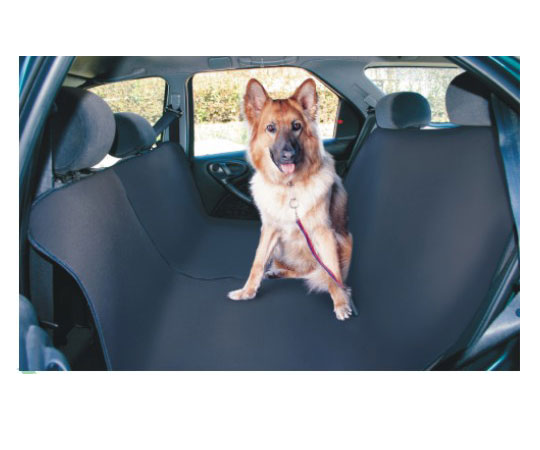
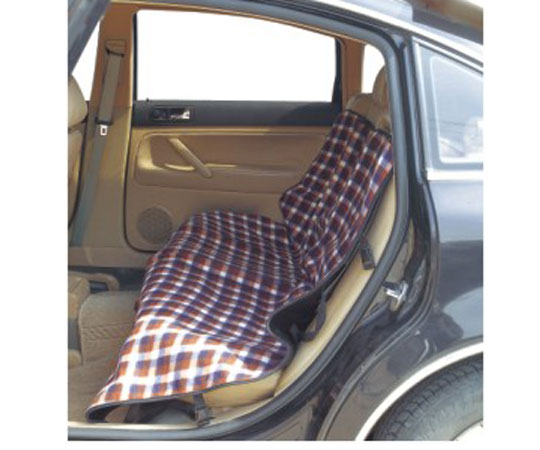
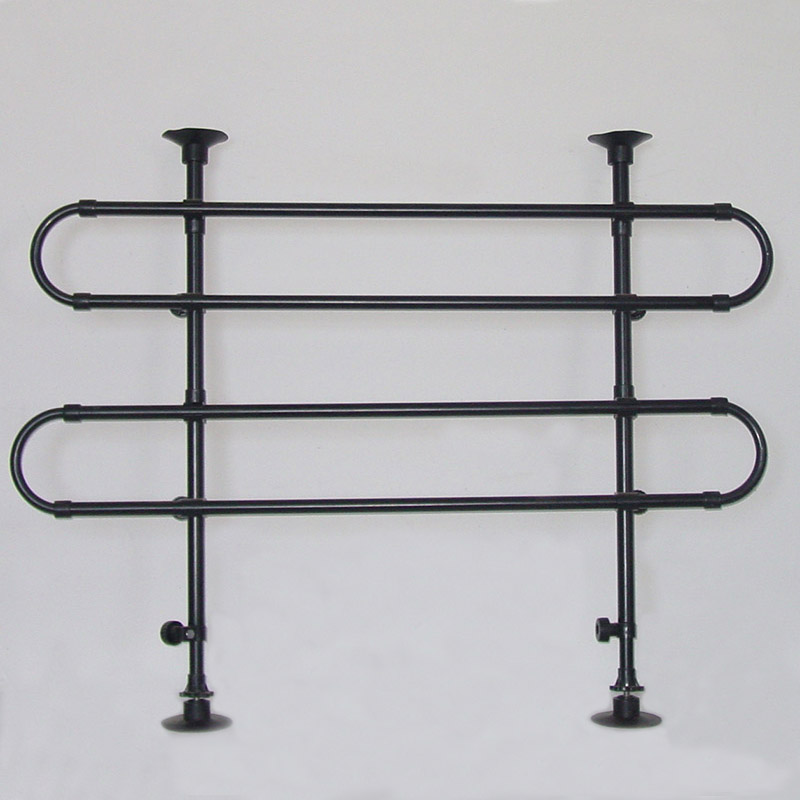
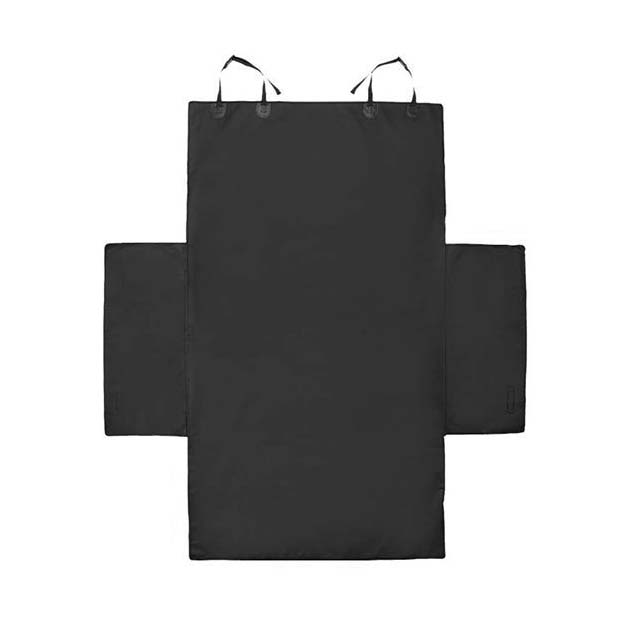
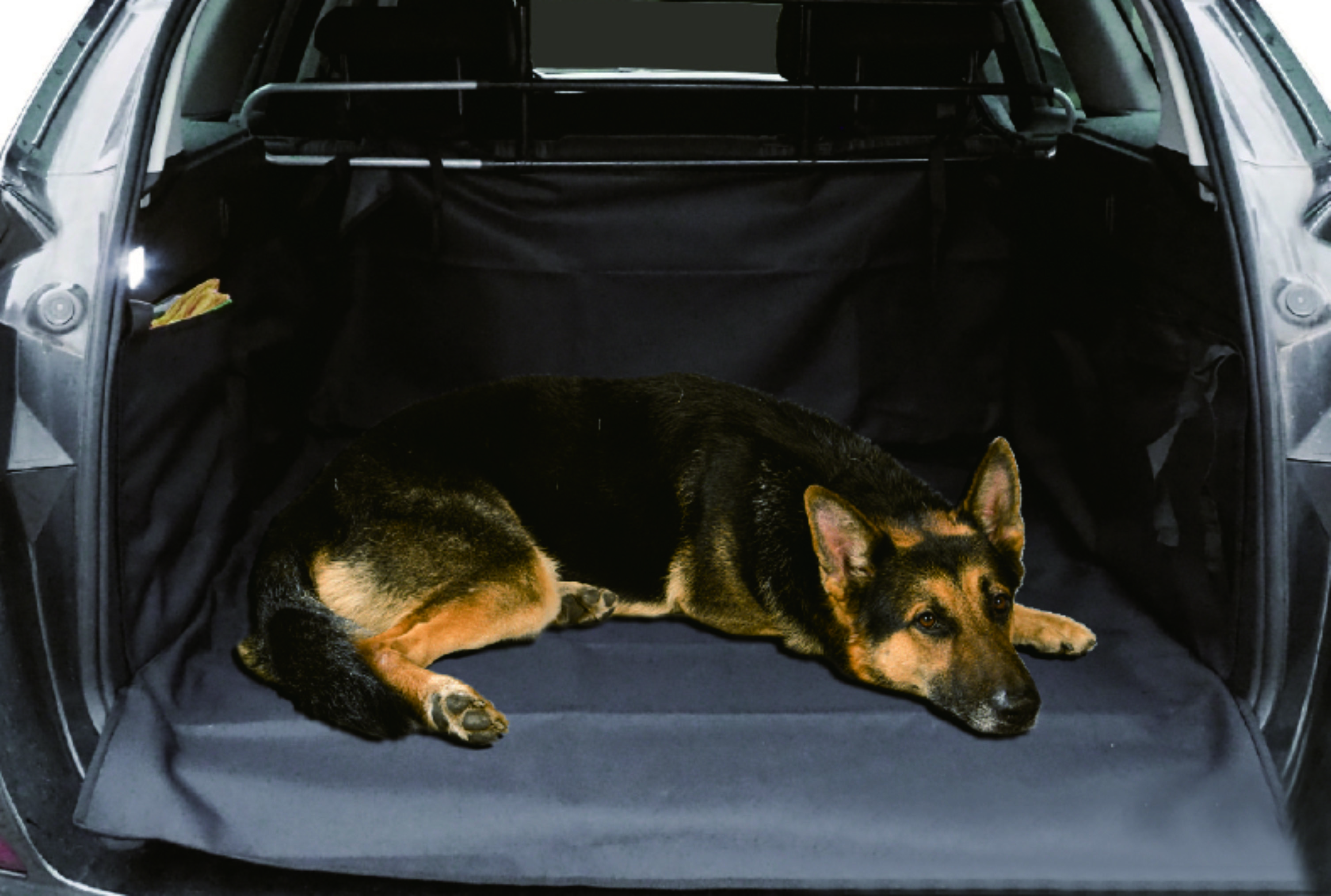
Pet Backseat Covers
Source premium pet backseat covers from vetted manufacturers and wholesale suppliers across Asia. Designed for bulk importers, distributors, and pet brands seeking reliable OEM/ODM production, our network delivers durable, high-margin travel accessories built to your exact specifications.
Sourcing pet backseat covers at volume requires balancing durability, waterproofing, and universal fit against unit cost. While the basic multi-layer construction of these covers is standardized across most Chinese manufacturers, the variance in material density, backing quality, and hardware durability is significant. For importers and brands, securing a reliable supply chain means moving past surface-level aesthetics to specify exact denier counts, waterproof coatings, and load-bearing stitching techniques.
Material Specifications & Layer Construction
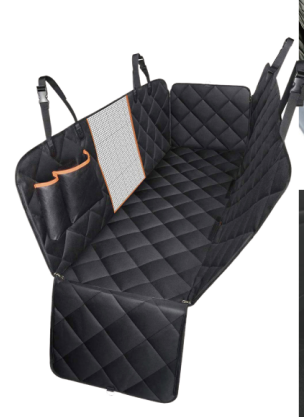
Most commercial pet backseat covers utilize a four-to-six layer construction. The exact materials you specify will dictate both the product's lifespan and its factory price point.
- Top Layer (Wear Surface): Typically 600D or 900D Oxford fabric. Higher denier counts offer better scratch resistance against dog claws, but increase weight and cost.
- Padding Layer: PP (polypropylene) cotton is standard. Specify the gram weight per square meter (GSM) to control the thickness and comfort of the cover.
- Waterproof Layer: This is where many low-cost suppliers cut corners. TPU (Thermoplastic Polyurethane) and PVC (Polyvinyl Chloride) are the two primary options for the impermeable barrier.
- Bottom Layer: Anti-slip netting or rubberized backing to prevent the cover from sliding on leather seats.
| Waterproof Material | Durability & Flexibility | Temperature Resistance | Cost Profile |
|---|---|---|---|
| TPU Coating | High (resists cracking over time) | Excellent in cold weather | Premium |
| PVC Coating | Moderate (can become brittle) | Poor (stiffens in freezing temps) | Economy |
Struggling to standardize material quality across different suppliers? We can help you lock in exact fabric specifications and enforce them at the factory level.
Talk to our teamManufacturing Processes & Vulnerabilities
The primary failure points for pet seat covers are not usually the main fabric panels, but the seams, anchor points, and zippers. When evaluating a factory's capability, pay close attention to their assembly techniques.
Quilting Techniques
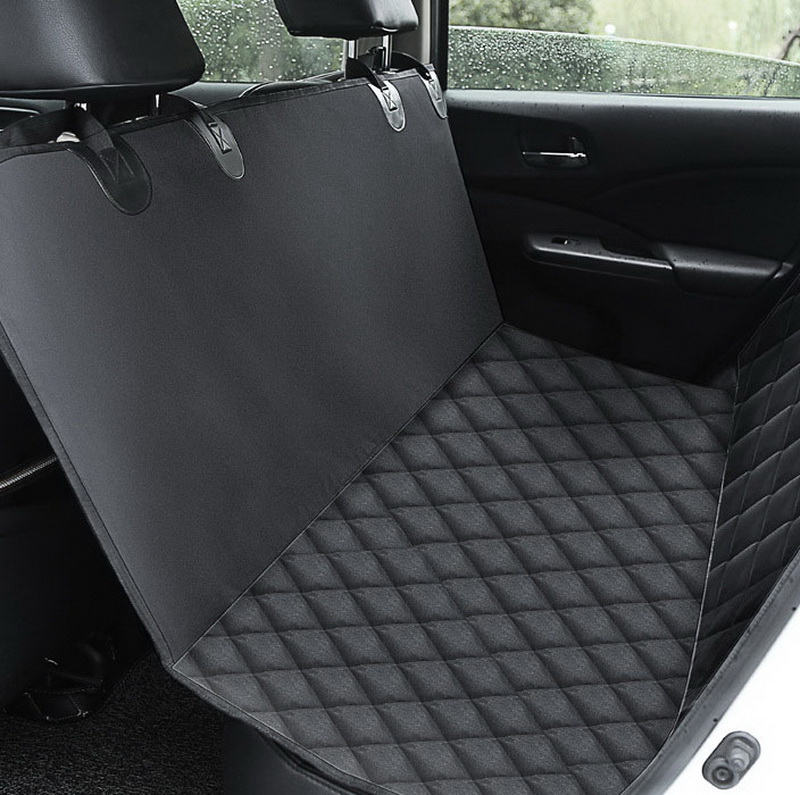
Traditional thread quilting punches microscopic holes through the waterproof layer, which can lead to moisture seepage if not properly backed. Many modern facilities now use ultrasonic pressing to fuse the layers together in a quilted pattern without using needles, maintaining the integrity of the waterproof barrier.
Load-Bearing Reinforcement
Headrest straps and seat anchors bear the brunt of a dog's weight during sudden stops. Ensure your supplier uses bar-tack stitching (a dense zigzag stitch) at all stress points. Standard straight stitching will inevitably tear out under heavy loads.
Critical Pre-Shipment QC Checkpoints
- Verify bar-tack stitching on all headrest straps and seat anchors.
- Perform hydrostatic pressure testing to confirm waterproof layer integrity.
- Check zipper smoothness and ensure auto-lock sliders are used for side flaps.
- Test the colorfastness of the Oxford fabric to ensure it will not bleed onto light-colored car seats.
- Inspect the anti-slip backing for uniform rubberization and adhesion.
Implementing rigorous quality control protocols is essential to catch these defects before the container is loaded.
Sourcing Mechanics: MOQs, Lead Times, and Customization
For brands looking to differentiate, OEM/ODM services allow for extensive customization, including custom dimensions for specific vehicle models (e.g., full-size trucks vs. compact SUVs), branded TPR rubber logos, and custom mesh viewing windows.
Keep in mind that requiring custom-dyed Oxford fabric (rather than off-the-shelf black, grey, or tan) will typically push the MOQ to 2,000 units or more due to the fabric mill's minimum dye lot requirements.
Need to negotiate lower MOQs for a market test, or looking to consolidate shipments from multiple suppliers? Let's discuss your supply chain strategy.
Get a free consultationFrequently Asked Questions
Securing a reliable supply of pet backseat covers requires detailed specifications and active oversight on the factory floor. Relying on generic supplier claims often leads to inconsistent batches and high return rates. Conducting thorough factory audits before placing your first bulk order is the most effective way to verify a supplier's true production capacity and quality management systems.
Get Sourcing Help for Pet Backseat Covers
Tell us your requirements and our experts will connect you with verified manufacturers.