Personal Care
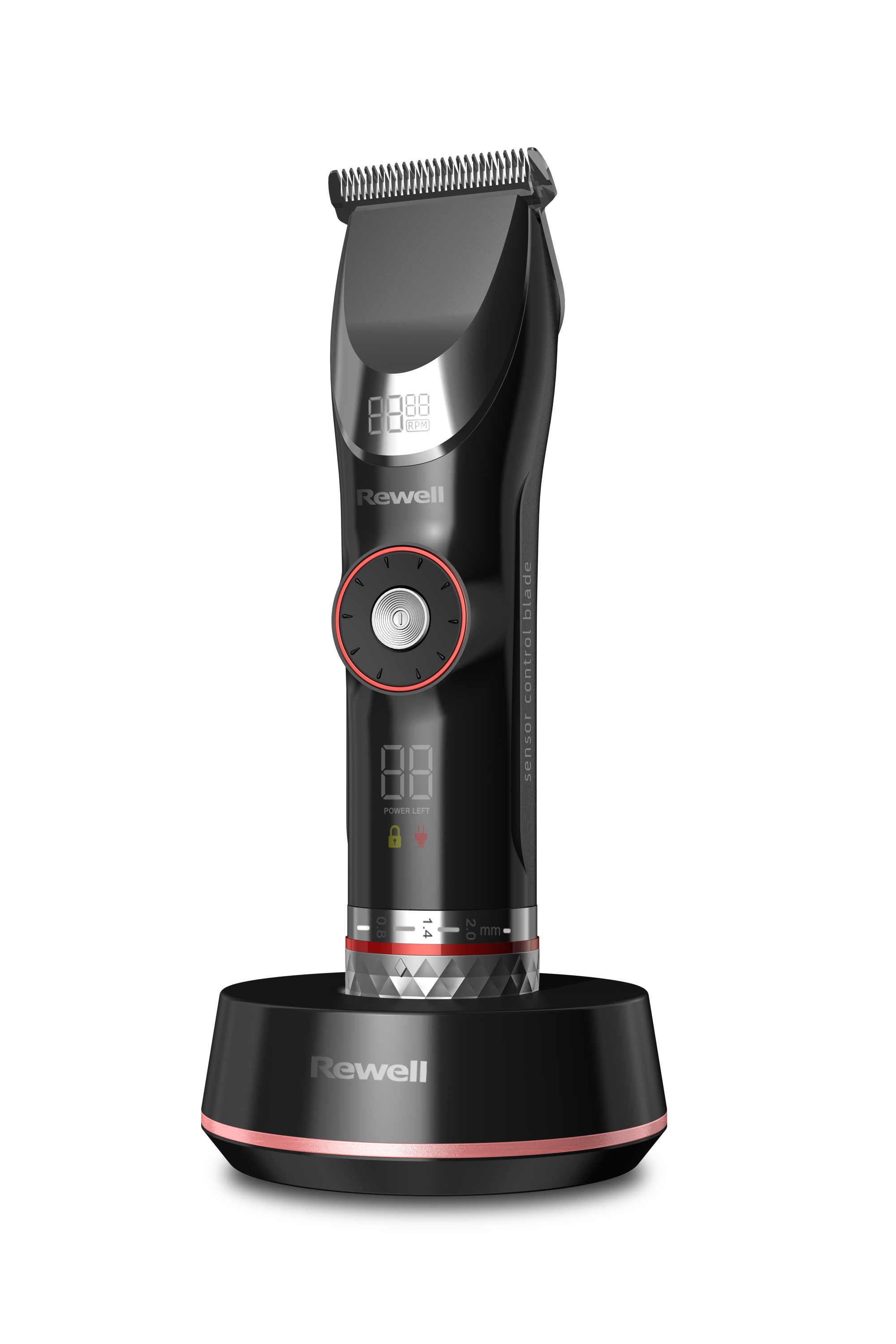
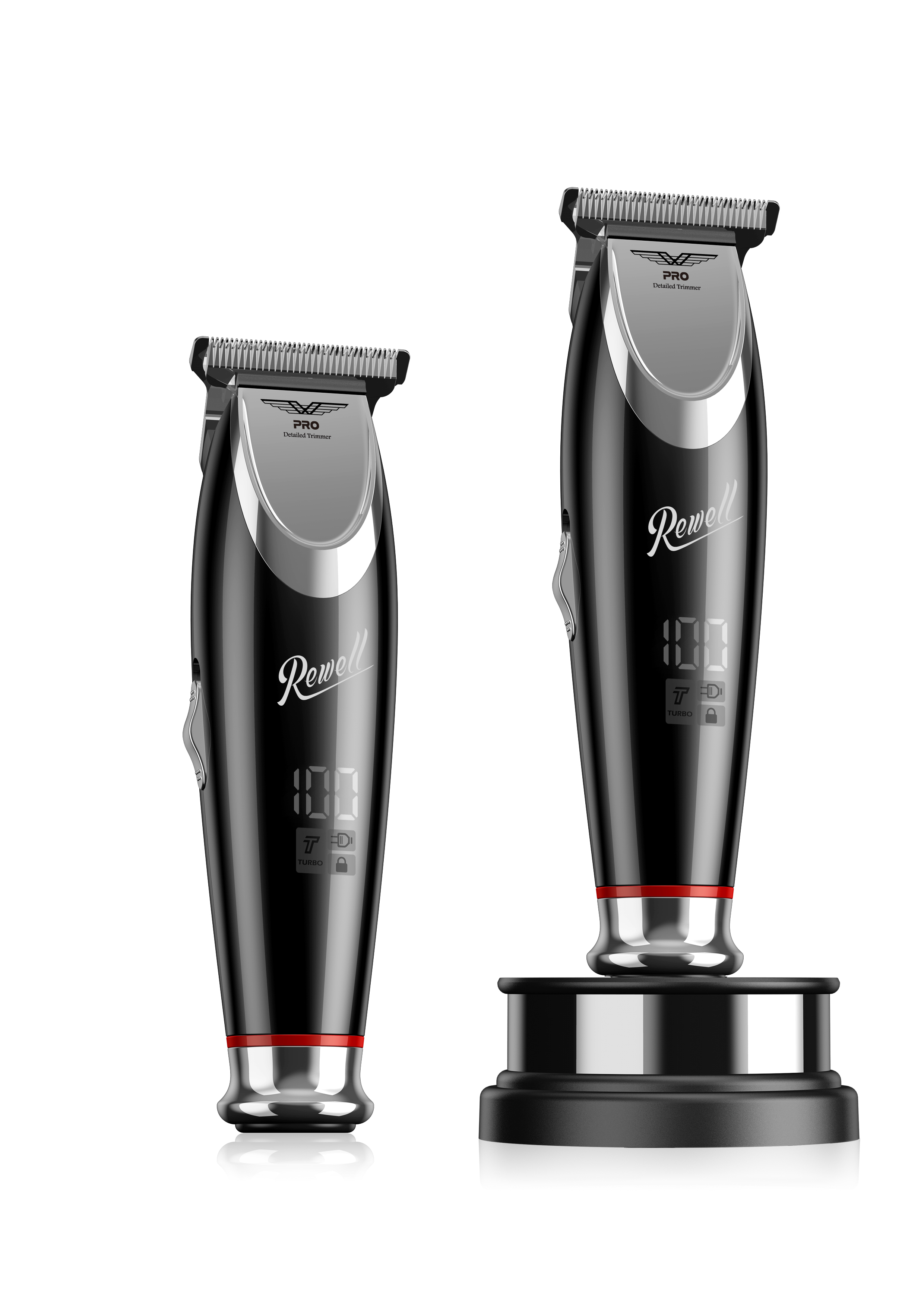
Source high-quality personal care electrical appliances directly from vetted manufacturers and wholesale suppliers. Designed for importers, distributors, and brands seeking reliable OEM and private-label production, our network delivers scalable manufacturing solutions for premium grooming and care devices.
Sourcing electrical personal care devices requires balancing motor performance, battery safety, and stringent waterproofing standards while maintaining target unit costs. When buying in volume, the difference between a high-return liability and a category-leading product lies entirely in component selection and factory-level quality assurance.
Critical Specifications & Component Selection
The core of any personal care appliance—whether intended for daily consumer use or professional environments—is its internal architecture. Buyers must specify exact components rather than relying on factory defaults, as manufacturers will often substitute cheaper alternatives to widen their margins.
| Component | Standard Market | Premium / Professional |
|---|---|---|
| Motor Type | DC brush motor (5,000 to 7,000 RPM) | Brushless DC or Magnetic (up to 10,000 RPM) |
| Battery Chemistry | NiMH or standard Li-ion (600mAh) | High-drain Li-ion (1500mAh and above) |
| Blade/Foil Material | Standard 420 Stainless Steel | Titanium-coated or Ceramic combinations |
| Waterproofing | IPX4 (Splash resistant) | IPX7 (Fully submersible) |
Motor and PCB Reliability
High-speed motors generate significant vibration and heat. If the printed circuit board (PCB) is not properly isolated or conformal coated, this vibration leads to micro-fractures in solder joints over time. Specify conformal coating on all PCBs, especially for devices intended for bathroom use where humidity is constant.
Battery Safety and Lifespan
Lithium-ion batteries are standard, but the specific cell quality dictates the device's lifespan. Specify cells from reputable manufacturers with built-in overcharge, over-discharge, and short-circuit protection circuits. A common factory shortcut is using unbranded cells that degrade by 40 percent capacity within the first hundred charge cycles.
Struggling to lock down reliable component specs with your current factory? Let us help you standardize your BOM.
Talk to our teamManufacturing Tolerances and Quality Control
Personal care devices require tight injection molding tolerances. If housing seams are off by fractions of a millimeter, water ingress becomes inevitable, leading to catastrophic failure.
To prevent this, rigorous Quality Control & Inspection protocols must be established before mass production begins.
Critical Factory-Level Inspections
- Air-leak testing on assembled housings to verify IPX ratings before packaging.
- Decibel (dB) and vibration testing to ensure motor balancing meets specified limits.
- Charge/discharge cycle testing on a randomized batch of finished units.
- Drop testing (typically 1 meter onto hard wood or concrete) to check housing integrity.
- Blade alignment and sharpness testing using standardized synthetic materials.
Compliance and Regulatory Testing
Electrical personal care items face heavy regulatory scrutiny because they combine electricity, water proximity, and direct skin contact.
For the US and EU markets, CE, RoHS, and FCC are non-negotiable baselines. However, if the device includes a charging adapter, that specific component must carry UL or ETL certification (for the US) to avoid customs seizures and liability issues. Furthermore, any plastics or metals making prolonged contact with the skin should be tested for heavy metals and phthalates. Partnering with experts for Compliance & Testing ensures your shipments clear customs without costly delays.
OEM/ODM Customization, Pricing, and MOQs
Most buyers enter this category through OEM/ODM Services, either private-labeling existing white-label molds or developing custom tooling for unique ergonomics.
Off-the-shelf molds reduce upfront costs and lead times, but restrict your ability to differentiate. Custom tooling requires a higher initial investment but provides a defensible market position. When negotiating, remember that pricing is highly sensitive to the cost of raw materials (specifically copper for motors and lithium for batteries).
Ready to scale your private-label personal care line? Speak with our sourcing engineers to map out your production strategy.
Get a free consultationBuyer FAQ
Securing high-quality personal care appliances at scale requires looking past the glossy product samples and auditing the factory's actual engineering capabilities and supply chain. By defining strict component specifications and enforcing rigorous pre-shipment testing, you can mitigate risk and build a reliable, profitable product line.
Get Sourcing Help for Personal Care
Tell us your requirements and our experts will connect you with verified manufacturers.