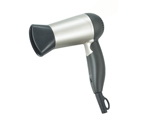
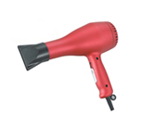
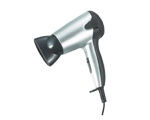
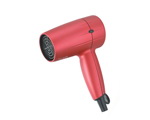
Personal Care
Source high-quality electrical personal care appliances directly from vetted manufacturers and wholesale suppliers in China. Designed for importers, distributors, and brands seeking reliable OEM, ODM, and private-label production for grooming and styling devices in bulk.
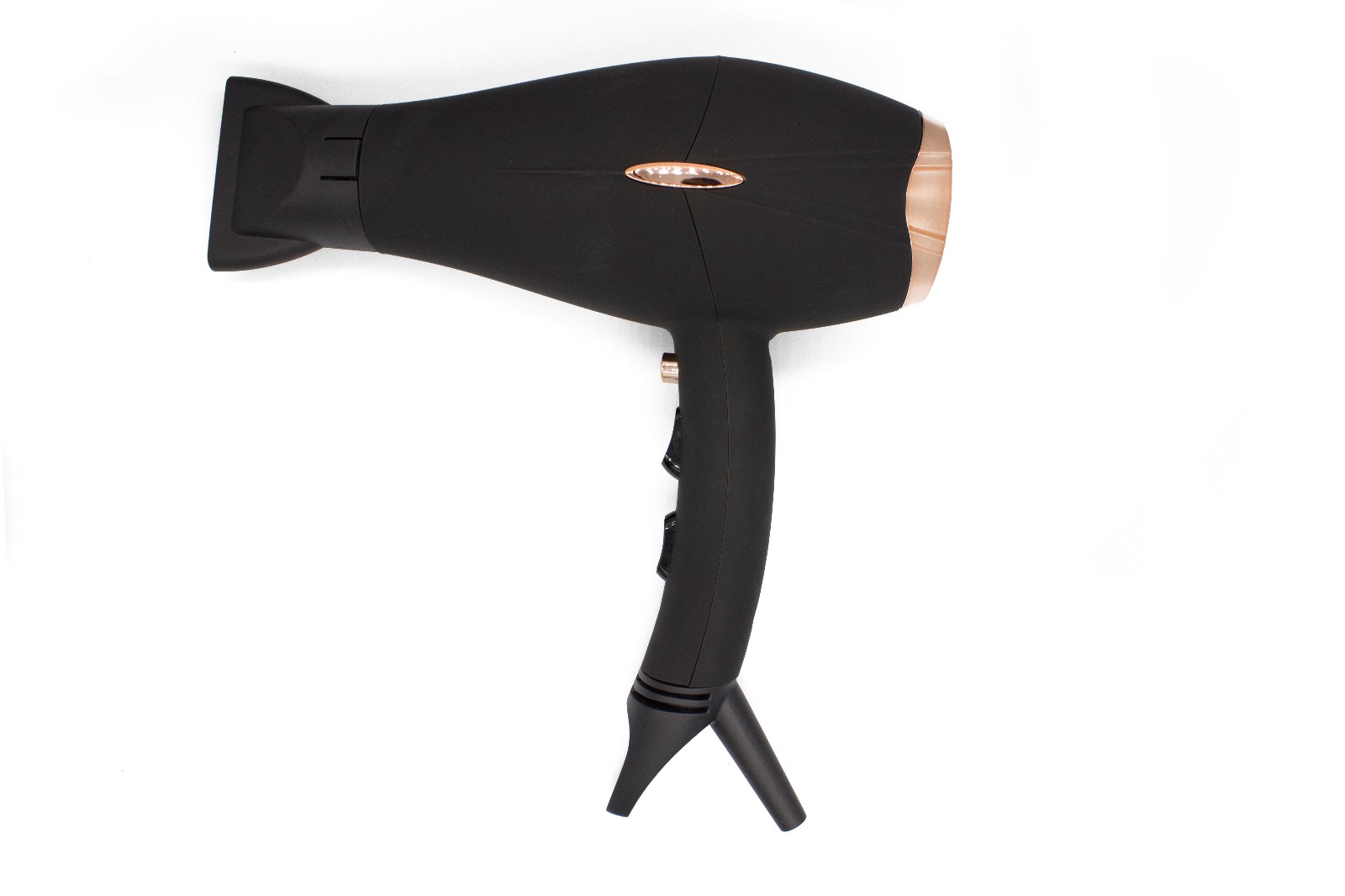
Sourcing electrical personal care devices—such as clippers, trimmers, straighteners, and advanced grooming tools—requires strict attention to component reliability and electrical safety. Because these products operate in close proximity to the human body, often in damp environments like bathrooms, the margin for error is zero. Success in this category depends on specifying the right internal components, ensuring rigorous assembly standards, and navigating complex regional compliance frameworks.
Core Specifications and Component Selection
The durability and performance of personal care appliances are dictated by the Bill of Materials (BOM), specifically the motors, heating elements, and battery chemistry. When negotiating with factories, defining these components upfront prevents silent downgrades during production.
Motors: DC vs. BLDC
For mechanical devices like clippers and epilators, the motor defines the product's lifespan. Standard magnetic or rotary DC motors are cost-effective but suffer from carbon brush wear. Brushless DC (BLDC) motors offer significantly higher RPMs, lower operating temperatures, and a lifespan exceeding 10,000 hours, though they require more sophisticated PCB controllers.
Heating Elements: PTC vs. MCH
Thermal styling tools rely entirely on their heating architecture. Specifying the correct ceramic heater impacts both user experience and safety.
| Heater Type | Heat-Up Speed | Temperature Stability | Cost Impact |
|---|---|---|---|
| PTC (Positive Temp Coefficient) | Moderate (60-90 seconds) | Good, self-regulating | Low to Baseline |
| MCH (Metal Ceramic Heater) | Fast (under 30 seconds) | Excellent, precise control | Premium (adds 15-25% to unit cost) |
Battery Chemistry
For cordless devices, lithium-ion (Li-ion) is the standard, but capacity (measured in mAh) and discharge rates vary wildly. High-drain devices require cells capable of sustained output without voltage sag. Always specify the cell brand or require UN38.3 certification for the specific battery pack used in your device.
Need help defining technical specifications and vetting component suppliers for your next product line?
Talk to our teamManufacturing Quality and In-Line Inspection
Quality in personal care electronics is won or lost on the factory floor, particularly during PCB assembly and housing injection molding. Poorly soldered connections can lead to intermittent failures, while misaligned housing molds can compromise water resistance (IPX ratings).
Relying solely on final random inspection is risky. Effective Quality Control & Inspection for this category must include in-line checks to catch defects before the devices are sealed.
Critical Factory Floor QC Checks
- Hi-Pot (High Potential) Testing: Ensuring insulation integrity to prevent electric shock.
- Earth Continuity Testing: Verifying grounding paths for mains-powered devices.
- Aging Tests: Running motors or heaters at maximum load for 24-48 hours to identify early component failure.
- Pull Tests on Cords: Verifying strain relief mechanisms meet UL/CE standards.
- IPX Water Ingress Testing: Submersion or splash testing for wet/dry shavers and trimmers.
Navigating Compliance and Certifications
Electrical personal care items are heavily regulated. Importing non-compliant devices risks customs seizures and liability. For the US market, UL or ETL listing is practically mandatory for retailer acceptance, alongside FCC for any devices emitting radio frequencies (including digital displays or Bluetooth features). For the EU, CE marking must include the Low Voltage Directive (LVD) and Electromagnetic Compatibility (EMC) directive, plus RoHS for hazardous substances.
Working with a partner who understands Compliance & Testing ensures your product is tested by accredited third-party labs (like SGS or TUV) before mass production begins.
MOQs, Pricing Drivers, and Lead Times
Pricing in this category is highly volume-dependent due to the cost of injection molding and PCB setup. Custom OEM/ODM Services will require higher commitments than buying off-the-shelf white-label designs.
Unit costs are primarily driven by the motor type, battery capacity, housing finish (e.g., soft-touch rubberized coatings vs. standard injected ABS), and the inclusion of premium features like digital LCD screens or titanium-coated plates.
Ready to negotiate pricing and secure reliable production capacity for your personal care brand?
Get a free consultationFrequently Asked Questions
Successfully sourcing personal care appliances requires balancing strict safety compliance with competitive BOM costs. By thoroughly vetting your supply chain with professional Factory Audits and maintaining tight control over component specifications, you can build a reliable, high-performing product line that protects your brand's reputation.
Get Sourcing Help for Personal Care
Tell us your requirements and our experts will connect you with verified manufacturers.