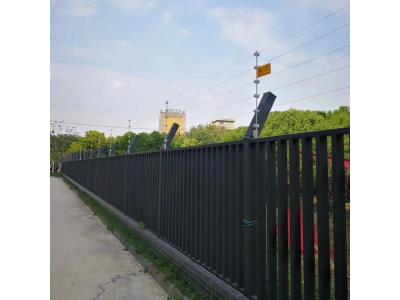
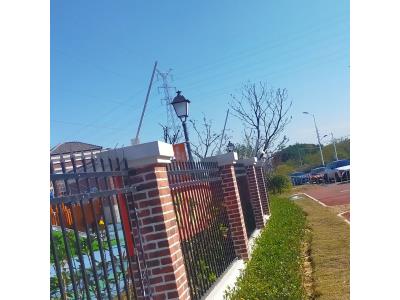
Perimeter Protection Systems
Source commercial-grade Perimeter Protection Systems directly from vetted manufacturers and wholesale suppliers. Designed for security distributors, system integrators, and brands requiring reliable OEM production, these industrial-grade detection solutions meet stringent global standards for critical infrastructure protection.
Sourcing perimeter protection systems in volume requires a strict balance between detection sensitivity and environmental resilience. The primary challenge when evaluating overseas manufacturers is validating their proprietary algorithms and hardware durability against false alarms—often triggered by severe weather, wildlife, or electromagnetic interference (EMI). Securing reliable hardware at scale means looking past the spec sheet and scrutinizing the factory's engineering capabilities and testing protocols.
Evaluating Sensor Technologies and Specifications
Perimeter security relies on a layered approach, and manufacturers typically specialize in specific sensor technologies. When selecting a factory for your product line, you must ensure their core competency aligns with your environmental requirements.
For brands looking to develop proprietary detection algorithms or integrate specific communication modules (like LoRaWAN or NB-IoT), engaging a supplier with robust OEM/ODM Services is critical. The right manufacturing partner will allow you to customize firmware, adjust beam frequencies, and modify housing materials to suit your target market.
| Technology | Typical Range | False Alarm Vulnerability | Primary Application |
|---|---|---|---|
| Active Infrared (AIR) | Up to 250m | Heavy fog, snow, falling leaves | Commercial fencing, gates |
| Microwave (Bistatic) | Up to 500m | Moving water, large metal objects | Open fields, industrial sites |
| Fiber Optic Fence Sensors | Up to 10km+ | Wind-induced fence rattle (if poorly tuned) | Critical infrastructure, borders |
Critical Hardware Specifications
- Housing Materials: Standard ABS plastic degrades rapidly under UV exposure. High-end systems utilize UV-stabilized polycarbonate or extruded aluminum.
- Conformal Coating: Ensure the PCB features a high-quality conformal coating to prevent moisture condensation and corrosion, which are fatal to outdoor sensors.
- Tamper Protection: Commercial-grade units must include anti-masking technology, anti-crawl beams, and physical tamper switches that trigger an immediate alert if the housing is opened or physically obstructed.
Struggling to verify a manufacturer's technical claims? Let our engineers audit their facilities and validate their product performance.
Talk to our sourcing expertsQuality Control and Compliance Standards
A perimeter system that fails in the field damages your brand's reputation instantly. Quality control cannot be limited to a visual check before shipping; it requires rigorous environmental and functional testing.
Navigating regional regulations is also mandatory. European markets demand EN 50131 compliance (often Grade 3 or Grade 4 for perimeter systems), while North American markets require FCC certification for microwave and wireless components. Partnering with a team that understands Compliance & Testing ensures your imports won't be held up at customs or rejected by integrators.
Factory Floor Quality Verification
- Ingress Protection (IP) Testing: Verify actual IP65 or IP67 testing chambers are used on the assembly line, not just claimed on paper.
- Temperature Cycling: Ensure units are tested in environmental chambers ranging from -40°C to +70°C.
- EMI/RFI Immunity: Check for proper shielding and testing against high-voltage surges and radio frequency interference.
- Algorithm Calibration: Observe how the factory calibrates the receiver sensitivity and anti-masking parameters before final assembly.
Bulk Pricing, Lead Times, and MOQ Realities
Pricing for perimeter protection systems varies drastically based on the technology, detection range, and the level of customization required. Standard multi-beam active infrared sensors are heavily commoditized, while fiber-optic and advanced microwave systems command premium pricing.
When negotiating pricing, factor in the cost of after-sales support. Perimeter systems often require firmware updates to refine false-alarm filtering. A manufacturer offering rock-bottom prices may lack the engineering team necessary to provide ongoing software support.
Need accurate volume pricing for your specific perimeter security project? We can negotiate directly with top-tier manufacturers on your behalf.
Get a pricing consultationBuyer FAQ
Sourcing reliable perimeter protection systems requires looking beyond the sales catalog and deeply into the manufacturer's engineering culture and quality assurance processes. Implementing strict Quality Control & Inspection protocols at the factory level is the only way to ensure the hardware you import performs flawlessly in the field.
Get Sourcing Help for Perimeter Protection Systems
Tell us your requirements and our experts will connect you with verified manufacturers.