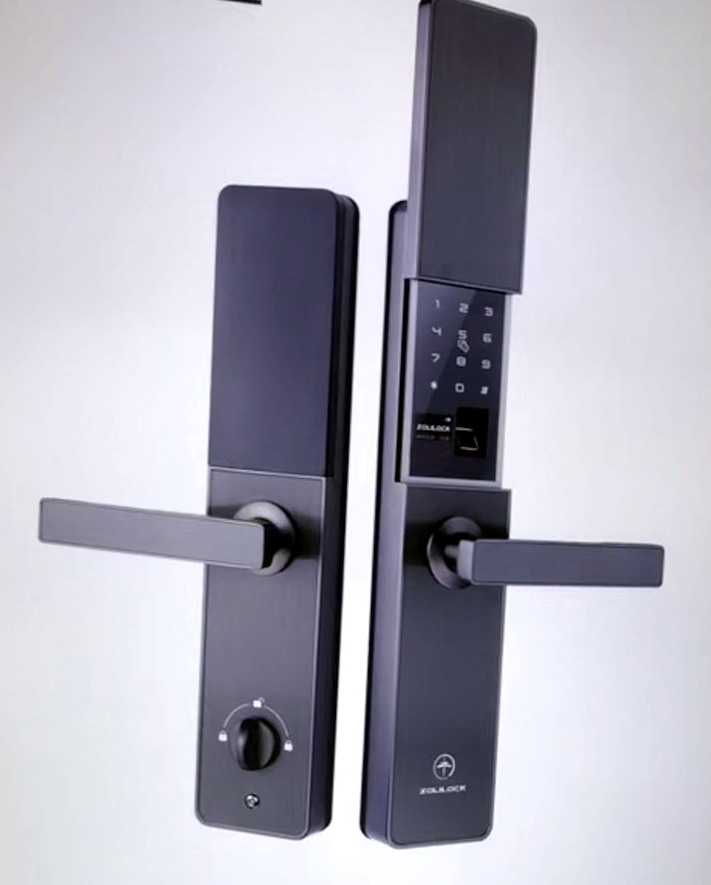
Perimeter & Physical
Source high-grade perimeter and physical security equipment directly from vetted Chinese manufacturers. Designed for importers, wholesalers, distributors, and integrators, our bulk sourcing covers heavy-duty barriers, motorized turnstiles, and high-security fencing. Secure reliable OEM/ODM production and competitive wholesale pricing.
Physical and perimeter security products demand a rigorous balance of mechanical durability and electronic reliability. When sourcing turnstiles, crash barriers, bollards, or high-security fencing in volume, the primary challenge is ensuring the factory's material grades, motor specifications, and finishing processes match your required operational lifespan and environmental conditions.
Specifying Perimeter Security Hardware
The reliability of physical security equipment rests heavily on the core materials and, for automated systems, the drivetrain. Buyers must clearly define these specifications in the purchase order to prevent factories from substituting cheaper, visually identical components.
- Material Grades: For stainless steel housings (common in turnstiles and automated gates), SUS304 is the baseline for indoor or mild outdoor use. For coastal environments or highly corrosive industrial sites, SUS316 is mandatory to prevent pitting and rust. Sheet thickness should typically range from 1.2mm to 2.0mm; thinner gauges are prone to denting and vibration fatigue.
- Surface Treatment: For carbon steel fencing and heavy barriers, specify hot-dipped galvanization rather than cold (electro) galvanizing. The zinc coating thickness should be specified in microns (typically 50 to 85 microns for heavy outdoor use) followed by a UV-resistant powder coat.
- Drivetrains and Motors: Automated barriers require robust motors. Brushless DC (BLDC) motors offer significantly higher Mean Time Between Failures (MTBF) compared to traditional brushed motors, making them essential for high-traffic access control points.
| Motor Type | Typical MTBF (Cycles) | Maintenance | Best Application |
|---|---|---|---|
| Brushed DC | 1M - 3M | High (Brush replacement) | Low-traffic gates, budget installations |
| Brushless DC (BLDC) | 5M - 10M+ | Very Low | High-traffic turnstiles, toll barriers |
| Servo Motor | Over 10M | Minimal | High-speed precision gates, premium security |
Need help verifying factory capabilities for heavy-duty security hardware? Speak with our sourcing engineers.
Discuss your product specsManufacturing Quality and Defect Prevention
A common pitfall when sourcing perimeter hardware is assuming that heavy metal fabrication equates to high precision. In reality, poor welding and inadequate surface preparation are the leading causes of premature failure in physical security products.
Before committing to a supplier, running thorough Factory Audits is crucial to verify their metalworking capabilities, specifically looking at their welding automation and powder-coating lines.
Critical QC Checkpoints for Perimeter Hardware
- Weld Integrity: Inspect for continuous, slag-free welds (TIG preferred for stainless aesthetics) rather than spot welding on load-bearing joints.
- Ingress Protection (IP) Testing: Verify IP65 or IP67 ratings for outdoor electronic components and motor housings using standardized water/dust chamber tests.
- Integration Compatibility: Test PCB stability and ensure standard communication protocols (Wiegand, RS485, TCP/IP) function correctly with generic third-party access control panels.
- Coating Adhesion: Perform cross-hatch adhesion testing on powder-coated steel to ensure the finish will not flake under impact or extreme weather.
Implementing strict Quality Control & Inspection before shipment ensures that heavy, expensive-to-ship items do not arrive with structural defects or electronic faults.
Customization and OEM Production
Many importers require custom dimensions for specific lane widths, proprietary logic board integrations, or custom branding. Chinese manufacturers are highly capable of OEM/ODM Services, but structural changes must be managed carefully. Altering the dimensions of a heavy crash barrier or the arm length of a boom gate changes the torque requirements on the motor and the sheer stress on the mounting points. Always require a localized stress test and a functional prototype before approving mass production.
Pricing, MOQs, and Lead Times
Perimeter security encompasses a wide range of product sizes, which directly impacts minimum order quantities and production timelines.
Pricing is heavily tied to global steel indexes and the specific grade of electronic components used. Be wary of quotes that are significantly below market average; this almost always indicates a downgrade in steel thickness, a switch from hot-dipped to cold galvanization, or the use of refurbished motors.
Looking to optimize your supply chain for heavy security equipment? Let's review your purchasing strategy.
Get a sourcing assessmentFrequently Asked Questions
Sourcing perimeter and physical security equipment requires a deep understanding of metallurgy, electromechanical engineering, and heavy freight logistics. By strictly defining your material grades and implementing rigorous in-process inspections, you can secure highly reliable infrastructure hardware at competitive wholesale margins.
Get Sourcing Help for Perimeter & Physical
Tell us your requirements and our experts will connect you with verified manufacturers.