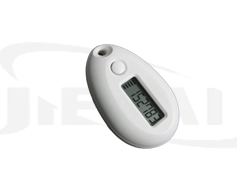
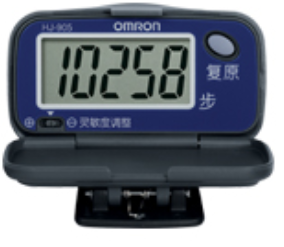
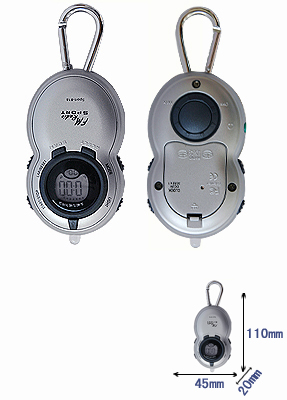
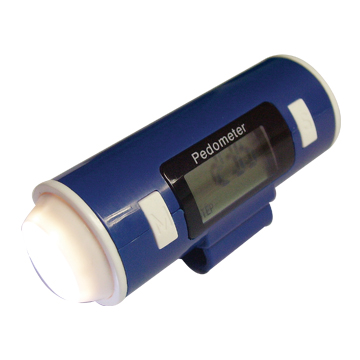
Pedometers
Source high-accuracy pedometers from vetted Chinese manufacturers and suppliers. This catalog is built specifically for importers, sporting goods distributors, and fitness brands seeking reliable bulk pricing and OEM/ODM private-label production. Secure competitive wholesale rates and consistent manufacturing quality.
Sourcing pedometers requires balancing sensor accuracy against unit costs. While the basic mechanics of step counting are well understood, bulk buyers must navigate a fragmented manufacturing base where component substitution—particularly downgrading 3D accelerometers to cheaper 2D or mechanical sensors—can ruin a production run. Specifying the exact internal components and establishing rigid testing protocols is essential for a successful import order.
Core Sensor Technologies
The heart of any pedometer is its sensor. Chinese manufacturers typically offer two primary categories, and failing to specify your requirement will almost certainly result in the factory defaulting to the cheaper option to increase their margin.
| Sensor Type | Accuracy | Orientation | Typical Cost Impact |
|---|---|---|---|
| 3D Tri-axis Accelerometer | High (over 95 percent) | Any pocket/bag | Premium |
| 2D / Pendulum | Moderate to Low | Must be upright on hip | Budget |
When negotiating with suppliers, request the specific IC model used for the 3D sensor (common reliable chips include Bosch or Kionix). Cheaper generic chips often suffer from "ghost steps" registered during driving or typing.
Need help verifying factory component claims? We audit suppliers and secure your BOM before production begins.
Talk to our teamManufacturing Vulnerabilities and Quality Control
Even with a high-end sensor, poor assembly can compromise the final product. The primary failure points in pedometer manufacturing revolve around casing integrity, battery contacts, and firmware calibration.
During pre-shipment inspection, inspectors must verify that the physical assembly protects the sensitive internal electronics.
Critical QC Checks for Pedometers
- Shake Testing: Simulating walking and running to verify step-count accuracy against a baseline.
- Drop Testing: Minimum 1-meter drop onto concrete to check ABS/PC casing durability and battery retention.
- Display Verification: Checking LCD/OLED screens for dead pixels or poor contrast under bright light.
- Battery Contact Tension: Ensuring spring contacts do not flatten, which causes random resets.
- Firmware Validation: Testing memory functions (e.g., 7-day or 30-day storage) and reset protocols.
If your product is destined for European or North American markets, you must also ensure the factory can provide valid documentation for CE, RoHS, and FCC (if Bluetooth-enabled). Utilizing professional compliance and testing services prevents customs seizures and retail rejections.
OEM and ODM Customization Options
Most fitness brands and distributors opt for some level of customization. The route you choose dictates your upfront investment and time to market.
White-Label vs. Custom Tooling
Advantages
- White-Label: Faster lead times (20-30 days).
- White-Label: Lower MOQs and zero injection-molding costs.
- Custom Tooling: Total control over industrial design and casing materials.
- Custom Tooling: Exclusive market presence and integrated IP.
Disadvantages
- White-Label: Identical physical product to competitors.
- White-Label: Limited to basic logo printing and custom packaging.
- Custom Tooling: High upfront mold costs (thousands of dollars).
- Custom Tooling: Extended lead times (60-90 days for initial run).
For brands looking to develop a unique proprietary device, engaging a partner experienced in OEM/ODM services ensures that the factory's engineering team accurately translates your CAD files into a mass-producible reality without compromising the internal sensor housing.
Typical MOQs, Pricing, and Lead Times
Understanding standard factory requirements helps you structure your purchasing schedule and negotiate effectively.
Pricing is highly volatile based on the sensor IC, display type (basic LCD vs. backlit OLED), and connectivity (standalone vs. Bluetooth). Basic 3D pedometers typically range from low single digits, while connected smart-pedometers scale higher.
Optimize your unit costs without sacrificing sensor accuracy. Let us negotiate directly with top-tier manufacturers on your behalf.
Get a free consultationFrequently Asked Questions
Securing a reliable supply of pedometers demands strict attention to internal component specifications and rigorous pre-shipment testing. By defining your technical requirements clearly and verifying factory capabilities early, you protect your margins and deliver a product that end-users can trust.
Get Sourcing Help for Pedometers
Tell us your requirements and our experts will connect you with verified manufacturers.