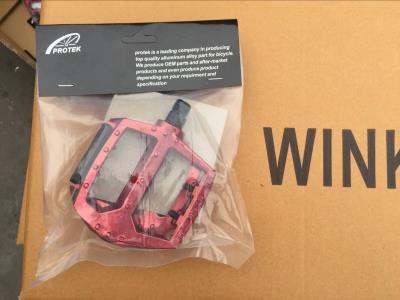
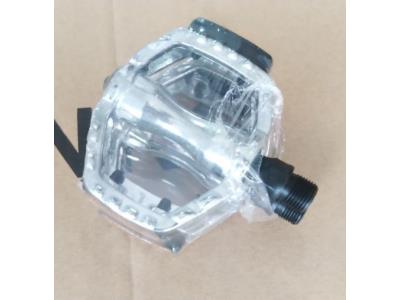
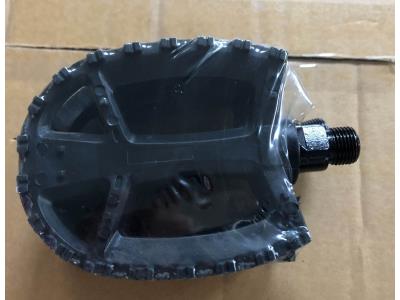
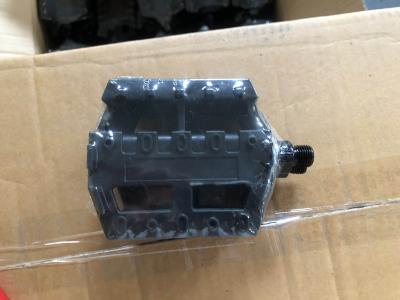
Pedals
Source high-quality bicycle pedals from vetted manufacturers and suppliers across Asia. Built for volume importers, wholesale distributors, and cycling brands seeking reliable OEM and private-label production. Discover competitively priced bulk options engineered for durability, performance, and international safety compliance.
Sourcing bicycle pedals at scale requires balancing material costs, manufacturing precision, and strict safety standards. Whether you are procuring composite flat pedals for the aftermarket or developing a proprietary clipless system, the core sourcing challenge remains the same: ensuring consistent spindle durability and bearing longevity across thousands of units without inflating unit costs.
Technical Specifications and Material Selection
The performance and cost of a pedal are dictated primarily by the spindle, the bearing assembly, and the body material. Specifying these correctly with your factory is critical to avoiding high warranty return rates.
Spindle Engineering
The spindle bears the entire dynamic load of the rider. Standard bulk orders typically utilize Chrome-Molybdenum (Cr-Mo) steel. For premium lightweight applications, titanium is used, but it requires specialized machining capabilities and strict quality oversight to prevent stress fractures. When negotiating specifications, confirm the heat treatment process. Improperly treated Cr-Mo spindles are a common point of failure in budget-tier manufacturing.
Bearing Configurations
Bearing setup directly impacts both the lifespan of the pedal and the assembly cost at the factory.
| Configuration | Application | Cost Impact | Durability |
|---|---|---|---|
| Loose Ball (Cup & Cone) | Entry-level / Commuter | Low | Moderate (requires maintenance) |
| 1 DU Bushing + 1 Sealed Bearing | Mid-range Mountain / Road | Medium | High |
| Multiple Sealed Cartridge Bearings | Premium Aftermarket | High | Excellent |
Manufacturing Processes and Factory Capabilities
Pedal bodies are manufactured using three primary methods. Your choice dictates tooling costs, lead times, and the type of supplier you need to engage.
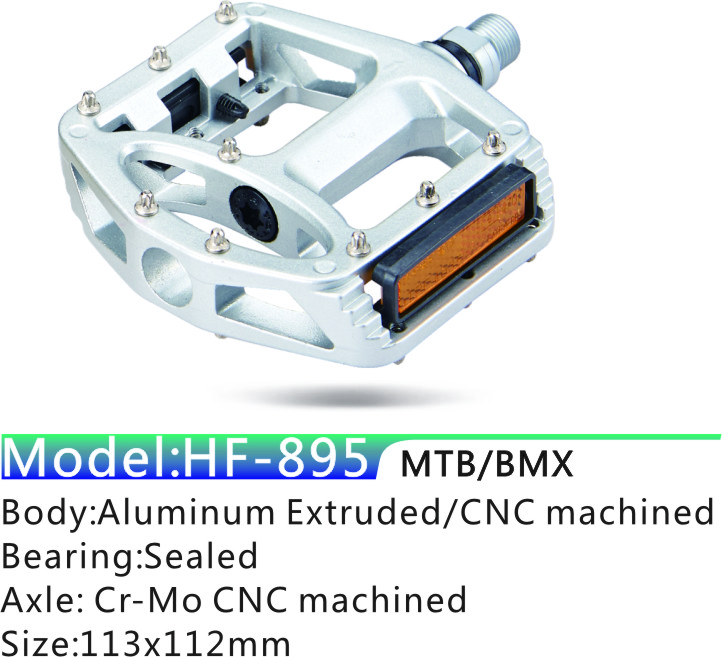
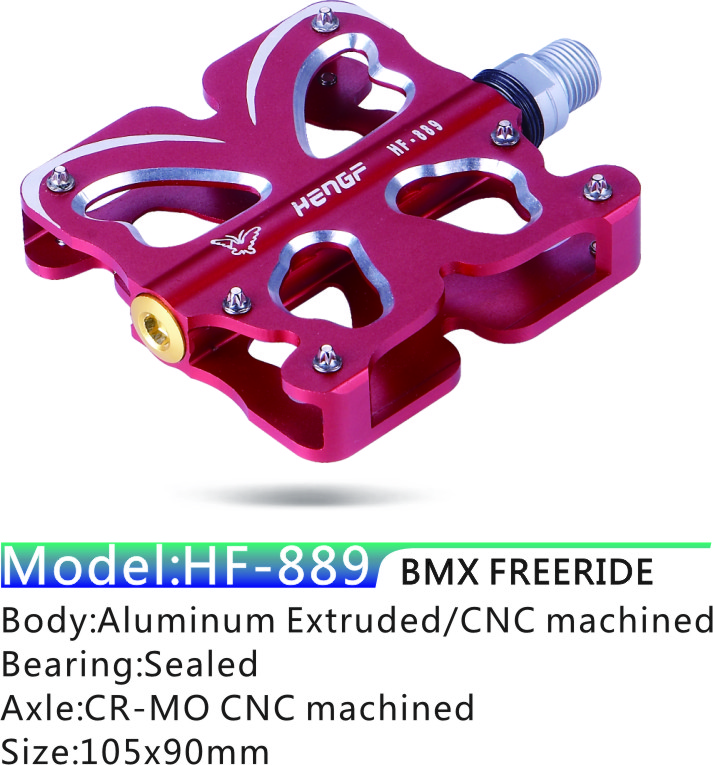
- CNC Machining: Used for high-end aluminum pedals. Factories start with extruded aluminum billets and CNC machine the final shape. Tooling costs are minimal, making this ideal for brands utilizing OEM/ODM Services for custom designs at lower volumes.
- Die-Casting: The standard for mid-range aluminum pedals. It requires a significant upfront investment in steel molds but drastically reduces the per-unit cost at high volumes.
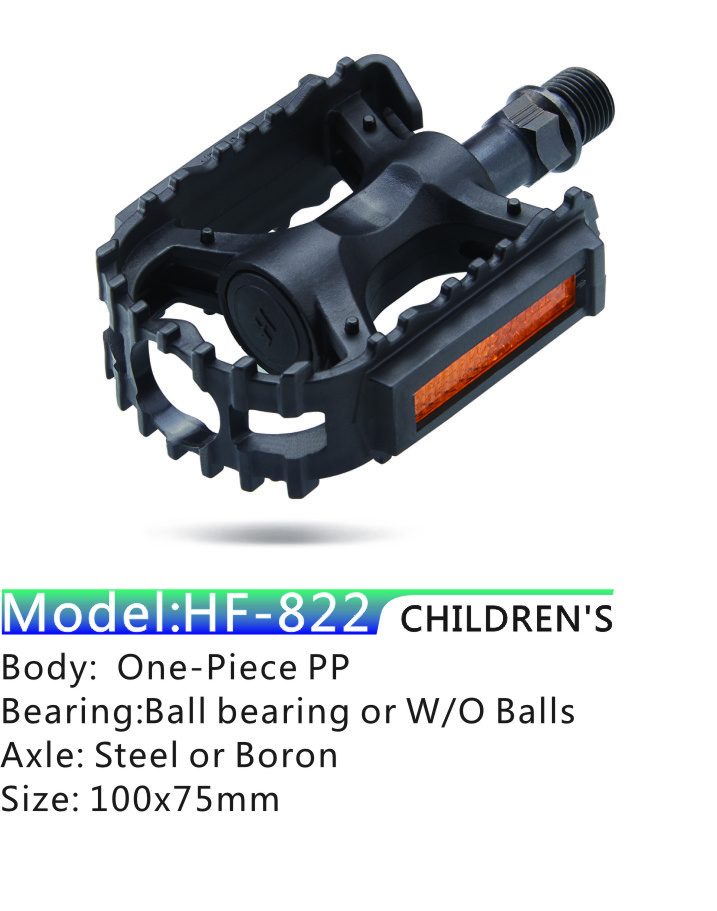
- Injection Molding: Used for nylon-reinforced composite pedals. These require precision molds to ensure the traction pins (if molded in) and spindle cavities are perfectly aligned.
Need to verify a manufacturer's CNC capabilities or tooling setup? Let us handle the factory vetting and technical negotiations.
Talk to our teamQuality Control and Safety Compliance
Bicycle pedals must withstand severe dynamic loads and environmental exposure. Relying solely on a supplier's internal testing is risky. Independent Quality Control & Inspection is necessary to verify that mass production matches the approved golden sample.
Critical Pre-Shipment Inspection Points
- Spindle fatigue resistance (verifying compliance with ISO 4210-8 standards)
- Bearing rotation smoothness and lateral play tolerances
- Thread pitch accuracy (9/16-inch standard vs 1/2-inch for specific BMX/kids bikes)
- Salt spray testing for corrosion resistance on spindles and traction pins
- Axial load testing to ensure the pedal body does not separate from the spindle
When conducting Factory Audits, prioritize suppliers with in-house testing laboratories capable of running 100,000-cycle dynamic load tests. Facilities outsourcing their fatigue testing often suffer from delayed feedback loops during production runs.
Buying Mechanics: MOQs, Pricing, and Lead Times
Pricing in pedal manufacturing is highly sensitive to raw material fluctuations (aluminum and steel) and CNC machining time.
If you are opening new molds for die-cast or composite pedals, expect an additional 30 to 45 days for tooling creation and sample approval. Tooling costs for die-casting can range from a few thousand dollars to significantly more depending on the complexity of the pedal profile and pin layout.
Managing tooling development, quality inspections, and freight for bicycle components? See how our end-to-end sourcing operations can protect your margins.
Get a free consultationFrequently Asked Questions
Securing a reliable supply of bicycle pedals requires moving beyond basic catalog selection. Success depends on rigorous material specification, understanding the limits of a factory's machining tolerances, and enforcing strict dynamic testing protocols before shipment.
Get Sourcing Help for Pedals
Tell us your requirements and our experts will connect you with verified manufacturers.