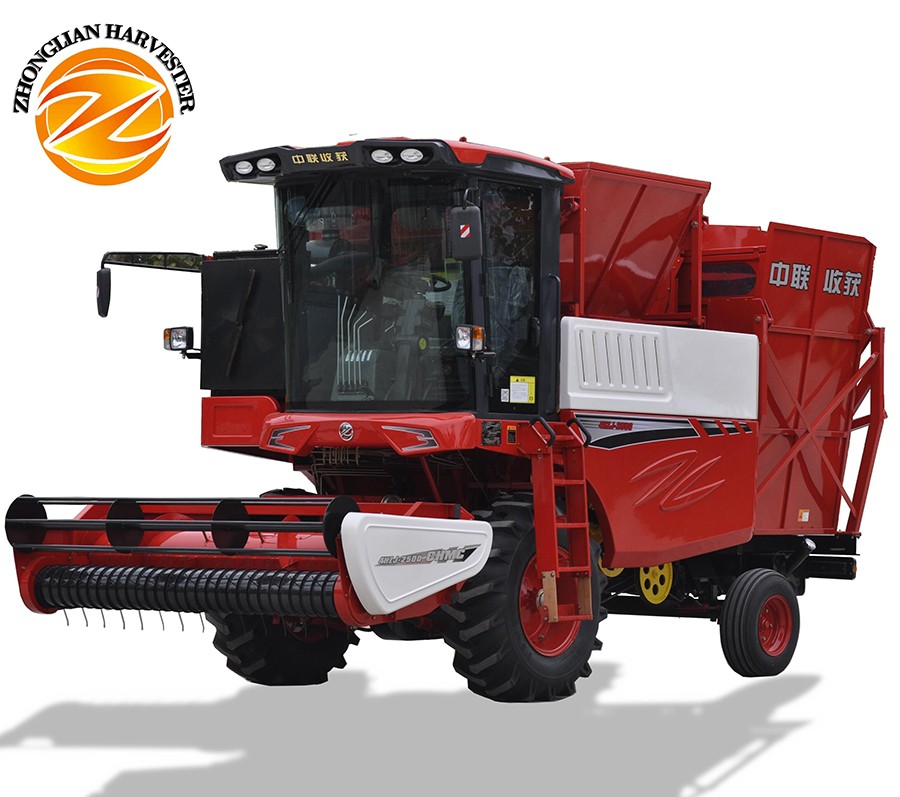
Peanut Harvesters
Source commercial-grade Peanut Harvesters directly from vetted manufacturers and wholesale suppliers. Built for agricultural equipment distributors, importers, and brands seeking reliable OEM production, these harvesters deliver high-efficiency extraction and minimal pod damage for large-scale farming operations.
Sourcing peanut harvesters requires balancing two competing mechanical demands: aggressive soil separation and gentle pod handling. For agricultural machinery distributors and importers, selecting the right manufacturing partner means looking beyond the spec sheet to evaluate structural integrity, vibration control, and the equipment's adaptability to regional soil profiles. A harvester that performs flawlessly in light sandy soil may suffer catastrophic frame failure or excessive pod loss in heavy clay if not engineered correctly.
Critical Specifications and Performance Metrics
When evaluating suppliers, the technical specifications must align with your target market's standard tractor fleet and planting practices. A mismatch in PTO (Power Take-Off) speed or hydraulic requirements will render the equipment unusable.
Key variables to specify during procurement include:
- Digging Depth & Width: Ensure the blade width corresponds to the standard row spacing of your target region (typically ranging from 800mm to 1600mm).
- Vibration Screen Mechanics: The stroke and frequency of the shaker chain or vibrating screen dictate soil separation. Look for adjustable eccentric wheels to allow operators to tune the vibration to soil moisture levels.
- Tractor Horsepower (HP) Matching: Harvesters must be paired correctly. A 2-row harvester generally requires a 50-80 HP tractor, while larger 4-row models demand 90 HP and above.
Manufacturing Standards and Factory Floor Quality
The lifespan of agricultural machinery is dictated by the quality of its steel and the precision of its welds. Constant vibration during operation will quickly expose poor manufacturing. When evaluating a factory, or conducting Factory Audits prior to finalizing a contract, pay close attention to the fabrication of the main chassis and moving parts.
Critical Inspection Points for Peanut Harvesters
- Chassis Welding: Look for continuous, deep-penetration robotic welds on the main frame, rather than manual spot welds that are prone to fatigue.
- Blade Material: Digging blades should be forged from high-carbon steel (e.g., 65Mn) and heat-treated for abrasion resistance.
- Bearing Seals: Ensure all bearings on the shaker shafts are double-sealed to prevent fine soil and dust ingress.
- Chain Tensioners: Verify the presence of heavy-duty, adjustable tensioners on the conveyor chains to prevent slippage under heavy loads.
Need help verifying a manufacturer's production capabilities? We conduct on-site audits to ensure your agricultural machinery is built to last.
Talk to our teamAdapting to Local Soil Conditions via OEM Customization
Off-the-shelf harvesters rarely perform optimally in every environment. Working with suppliers that offer robust OEM/ODM Services allows you to tailor the machine's soil separation mechanisms to your buyers' specific needs.
| Soil Type | Blade Requirement | Separation Mechanism |
|---|---|---|
| Sandy Soil | Standard angle, medium depth | Single shaker chain, lower vibration frequency |
| Heavy Clay | Aggressive angle, high-penetration | Dual-stage vibrating screens, high-torque PTO |
| Rocky Soil | Reinforced, spring-loaded blades | Heavy-duty rubber-coated conveyor bars |
Buying Mechanics: MOQs, Pricing, and Lead Times
Procuring heavy agricultural machinery involves distinct logistical and financial planning compared to smaller consumer goods.
- Minimum Order Quantities (MOQs): For large, tractor-mounted harvesters, factories often accept MOQs as low as 1 to 3 units for initial trial orders. For smaller, walk-behind or single-row models, expect MOQs of 10 to 20 units.
- Pricing Drivers: The cost of a peanut harvester fluctuates based on steel commodity prices, the quality of the hydraulic components (imported vs. domestic valves), and the complexity of the transmission gearbox.
- Lead Times: Standard production runs typically require 35 to 50 days. However, custom OEM modifications or peak pre-harvest season orders can push lead times beyond 60 days.
Streamline your agricultural equipment sourcing. We negotiate pricing, manage MOQs, and oversee production schedules on your behalf.
Get a free consultationLogistics and Shipping Considerations
Peanut harvesters are bulky and awkwardly shaped, making freight optimization a critical factor in your landed cost. Most manufacturers ship these units SKD (Semi-Knocked Down). The main chassis remains intact, but the PTO shafts, wheels, and sometimes the digging blades are removed and crated separately.
Proper SKD packing allows multiple units to fit into a standard 40HQ container, significantly reducing the per-unit shipping cost. Utilizing experienced Shipping & Freight coordination ensures that the factory packs the containers to maximize space without risking damage to the heavy steel components during transit.
Successfully sourcing peanut harvesters requires a deep understanding of agricultural mechanics and rigorous oversight on the factory floor. By focusing on structural integrity, proper tractor matching, and optimized logistics, importers can deliver reliable, high-margin machinery to their local agricultural markets.
Get Sourcing Help for Peanut Harvesters
Tell us your requirements and our experts will connect you with verified manufacturers.