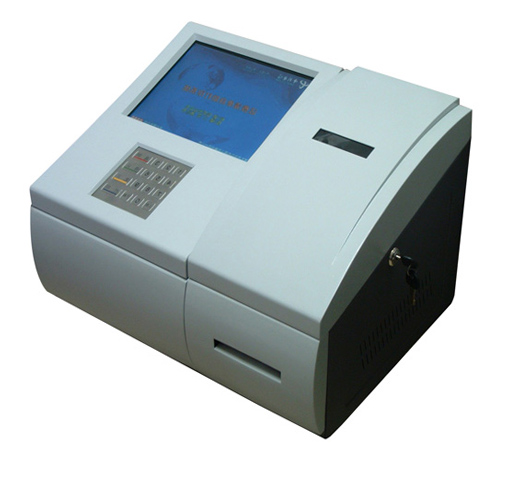
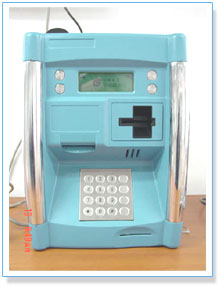
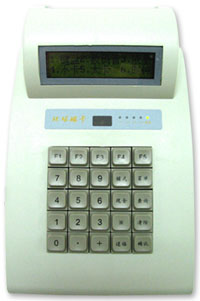
Payment Kiosks
Source commercial-grade payment kiosks directly from vetted manufacturers and suppliers. Designed for importers, distributors, and brands seeking reliable OEM and private-label production, our network delivers customizable hardware built for high-traffic environments. Secure competitive wholesale pricing for your next bulk rollout.
Sourcing payment kiosks requires balancing robust physical engineering with reliable electronic integration. A kiosk must withstand high-volume public use while maintaining seamless communication between the motherboard, touchscreen, and peripheral devices. The primary challenge in bulk procurement is finding a factory that possesses both precision sheet-metal fabrication capabilities and the technical expertise to handle complex component integration without thermal or hardware compatibility failures.
Core Specifications and Enclosure Engineering
A successful payment kiosk deployment starts with the right foundational hardware. Buyers must specify both the computing architecture and the physical enclosure standards to ensure longevity in commercial settings.
Computing Architecture: ARM vs. x86
The choice of mainboard dictates the operating system, peripheral compatibility, and overall cost. Most Chinese manufacturers offer flexible configurations within the same physical enclosure.
| Specification | Android (ARM) | Windows (x86) |
|---|---|---|
| Typical Chipsets | Rockchip RK3288, RK3399, RK3568 | Intel Core i3, i5, i7 (Industrial) |
| Standard RAM | 2GB to 8GB | 4GB to 16GB |
| Thermal Output | Low (Passive cooling often sufficient) | Moderate to High (Requires active cooling) |
| Best Use Case | Dedicated single-app POS, digital menus | Complex legacy POS software, heavy multitasking |
Display and Touch Technology
For commercial payment kiosks, Projected Capacitive (PCAP) touch is the industry standard. It allows for a flat, edge-to-edge glass design that is easy to clean and highly responsive. Infrared (IR) touch is sometimes used for larger screens or extreme outdoor environments, but it requires a raised bezel that can accumulate dust. When specifying displays, ensure a minimum brightness of 300 to 400 nits for indoor use, and 1000+ nits with anti-glare glass for semi-outdoor or window-facing units.
Enclosure Fabrication
The durability of a kiosk is determined by its sheet metal fabrication. Standard commercial kiosks should utilize 1.2mm to 1.5mm cold-rolled steel. Anything thinner is prone to warping and denting in public spaces. If you are developing a custom form factor, partnering with a supplier that offers comprehensive OEM/ODM services is critical, as the factory will need to engineer custom tooling and bending processes for the steel.
Need help finalizing specifications or engineering a custom kiosk enclosure?
Talk to our teamComponent Integration and Quality Control
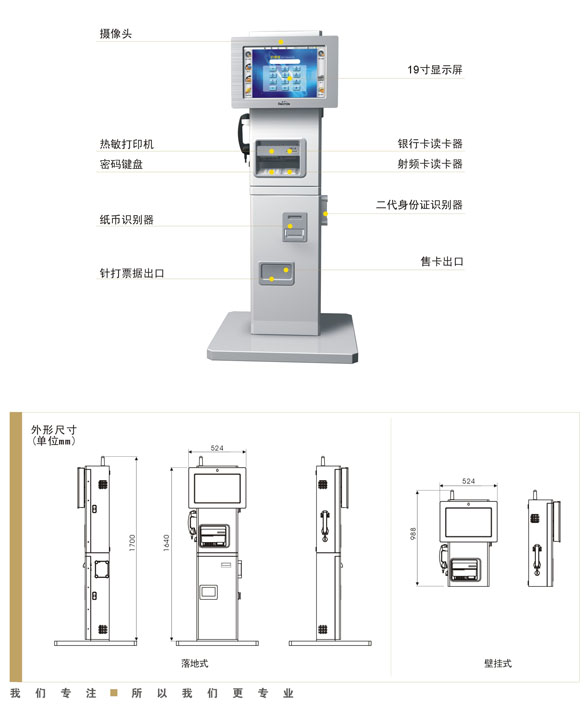
Payment kiosks are assemblies of multiple disparate parts: thermal receipt printers (typically 58mm or 80mm), 2D barcode scanners, NFC readers, and POS terminal brackets. The integration of these components is where poor manufacturing is most evident.
Critical Factory-Level Quality Checks
- Cable Management: Internal wiring must be securely tied and routed away from heat sinks and sharp metal edges.
- Thermal Dissipation: Verify the placement of exhaust fans and ventilation grilles, especially for Windows-based units or those with large power supplies.
- Printer Alignment: The thermal printer output must align perfectly with the external bezel to prevent paper jams.
- Touch Calibration: Edges and corners of the PCAP screen must register touches accurately without dead zones.
- Grounding: Proper electrical grounding of the metal chassis to prevent static discharge from damaging internal components.
Executing thorough quality control and inspection prior to shipment is essential. Once a container of fully assembled kiosks leaves the factory, rectifying internal cabling or thermal issues becomes prohibitively expensive.
Compliance and Accessibility Standards
Importing payment kiosks requires adherence to electrical safety and electromagnetic interference standards. Standard certifications include CE, FCC, and RoHS. If the kiosk includes a built-in payment module rather than just a bracket for an external terminal, that module must be PCI DSS compliant.
Additionally, buyers must consider accessibility standards like the ADA (Americans with Disabilities Act) in the US, which dictates the maximum reach height for interactive elements (typically 48 inches from the floor). Proper compliance and testing verification ensures your imported units will pass local regulatory scrutiny.
Pricing, MOQs, and Lead Times
Kiosk pricing is highly variable based on screen size, computing power, and peripheral inclusion. Standard 27-inch to 32-inch PCAP Android kiosks typically range from $350 to $700 per unit, while high-spec Windows units with integrated commercial printers and scanners can exceed $1,200.
Before committing to a custom tooling run, conducting thorough factory audits is highly recommended to verify the supplier's actual sheet metal fabrication equipment and assembly line capacity.
Looking to verify a kiosk manufacturer or negotiate better terms for a bulk order?
Get a free consultationFrequently Asked Questions
Sourcing payment kiosks at scale is an exercise in managing integration risk. Success depends on selecting a manufacturing partner capable of precision metalwork and rigorous electronic assembly, ensuring your deployment remains reliable in the field.
Get Sourcing Help for Payment Kiosks
Tell us your requirements and our experts will connect you with verified manufacturers.