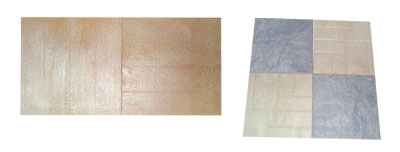
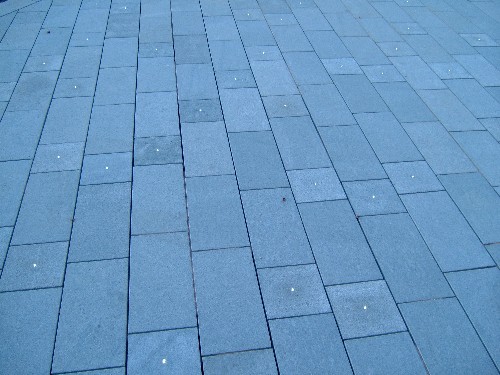
Paving Stone
Source high-quality paving stone directly from vetted manufacturers and suppliers. Designed for commercial developers, landscape wholesalers, and importers buying in bulk, our network offers reliable production of granite, basalt, and limestone pavers to strict dimensional tolerances.
Sourcing paving stone at volume requires balancing aesthetic consistency with structural integrity. For commercial hardscaping and large-scale residential projects, the core procurement challenge is managing dimensional tolerances and finish uniformity across thousands of square meters, all while navigating the severe weight constraints of international shipping.
Critical Specifications and Tolerances
When ordering paving stone in bulk, generic material descriptions are insufficient. Factories need precise technical specifications to calibrate their cutting and finishing equipment.
The most critical dimension is thickness. For sand-set applications, thickness variations of plus or minus 3mm might be acceptable. However, for mortar-set applications, you must specify calibrated stone with a tolerance of plus or minus 1mm to 2mm to avoid costly installation delays and lippage.
Additionally, buyers must specify compressive strength and water absorption rates, particularly for freeze-thaw climates. High water absorption in porous stones like certain sandstones will lead to spalling if not properly treated or specified for the correct climate zone.
| Surface Finish | Slip Resistance | Typical Application |
|---|---|---|
| Flamed | High | Exterior walkways, public plazas |
| Bush-Hammered | Very High | Inclines, high-traffic commercial |
| Honed | Medium | Covered patios, warm climates |
| Natural Cleft / Split | High | Driveways, cobblestone pathways |
Need help standardizing specifications across multiple stone suppliers? We can help you establish clear technical requirements for your next project.
Talk to our teamManufacturing Risks and Quality Control
Paving stone production involves quarrying, block cutting, surface treating, and edge finishing. Quality is often lost during the block cutting phase. If a factory uses worn diamond wire saws or misaligned gang saws, the resulting pavers will suffer from "wedging"—where one end of the stone is thicker than the other.
Another common defect, particularly in light-colored granites, is iron oxidation. Unseen iron pyrite veins within the stone can rust when exposed to moisture, leading to orange stains weeks after installation. Thorough factory audits are essential to ensure the supplier is selecting premium blocks and not mixing lower-grade, iron-heavy stone into your order.
Pre-Shipment Inspection Checklist for Paving Stone
- Verify thickness calibration across multiple pallets (e.g., strictly plus or minus 2mm).
- Check for wedging or uneven cuts using a digital caliper.
- Inspect for micro-cracks, excessive veining, or iron pyrite deposits.
- Ensure wooden crates are heavily reinforced, strapped, and carry ISPM-15 fumigation stamps.
- Confirm edge treatments (e.g., chamfered, tumbled) match the approved sample.
To prevent defective batches from leaving the factory, implementing strict quality control protocols before the stone is crated is non-negotiable. Once heavy stone is packed, inspecting the lower layers of a crate becomes nearly impossible without unpacking the entire container.
Pricing, MOQs, and Heavy Freight Logistics
Unlike consumer goods, paving stone logistics are dictated entirely by weight, not volume. A standard 20-foot container will hit its maximum legal weight limit long before it is physically full.
Pricing is driven by the raw block cost, the intensity of the finish (flaming and bush-hammering add labor and machine time), and the yield loss during cutting. Because stone is a heavy, low-margin commodity, optimizing your shipping and freight strategy is critical. You must calculate the exact square meterage that fits into the maximum allowable weight for your destination port and inland trucking limits to avoid dead freight costs.
Struggling to optimize your container payloads for heavy stone? Let our logistics experts analyze your shipping strategy to reduce landed costs.
Get a free consultationFrequently Asked Questions
Successfully importing paving stone in bulk requires looking past the per-square-meter price. The true cost of sourcing lies in managing dimensional accuracy, preventing material defects, and maximizing container weight efficiency. Partnering with experienced professionals ensures your specifications are met and your heavy freight moves smoothly from quarry to site.
Get Sourcing Help for Paving Stone
Tell us your requirements and our experts will connect you with verified manufacturers.