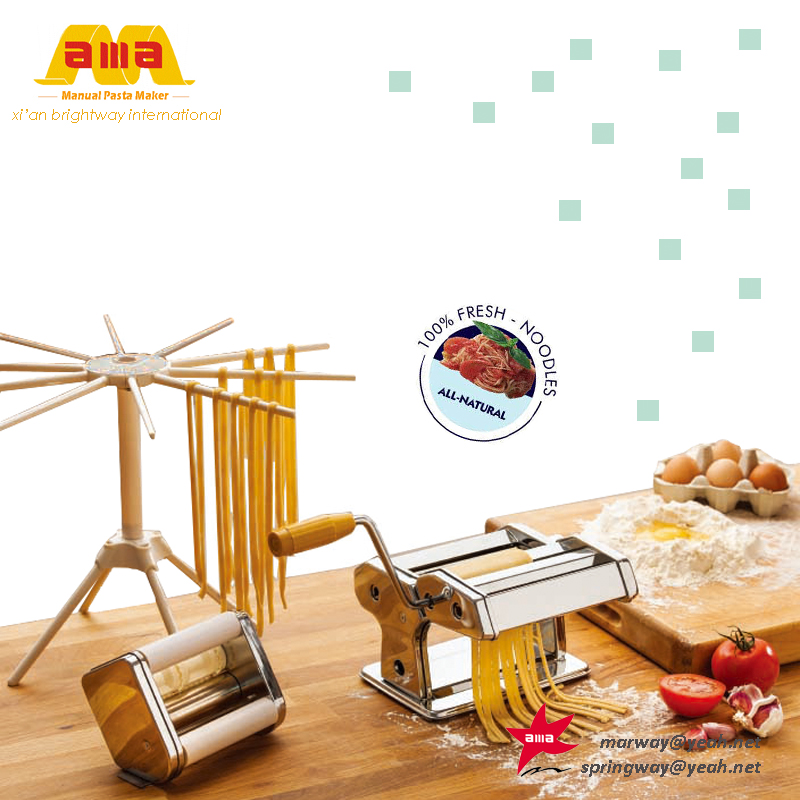
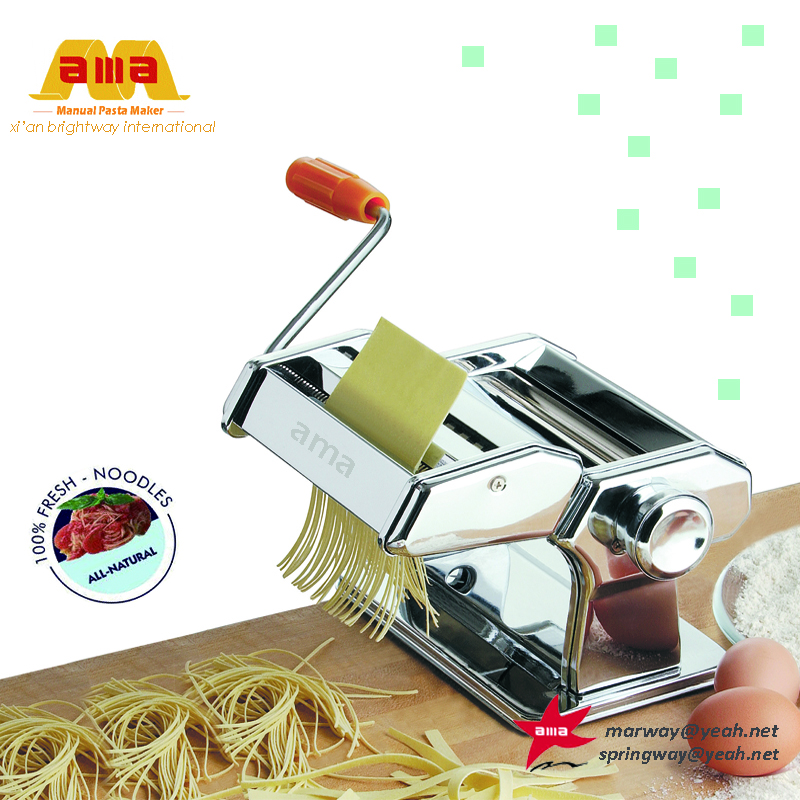
Pasta Tools
Source premium Pasta Tools from vetted suppliers and manufacturers across Asia. This catalog is designed for importers, distributors, and kitchenware brands looking for reliable wholesale purchasing and custom OEM production. Find factory-direct pricing on durable tools built for professional and high-end consumer kitchens.
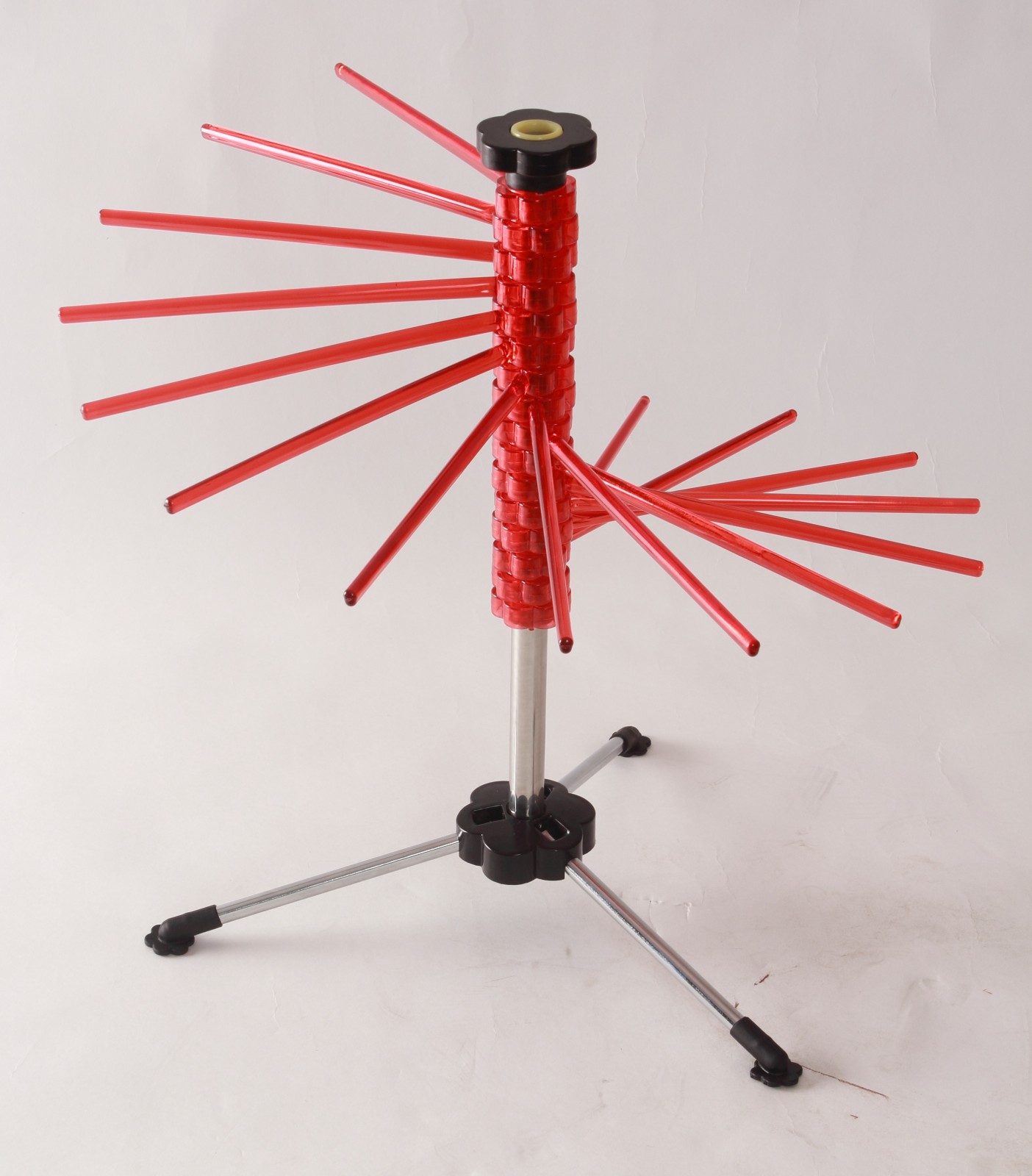
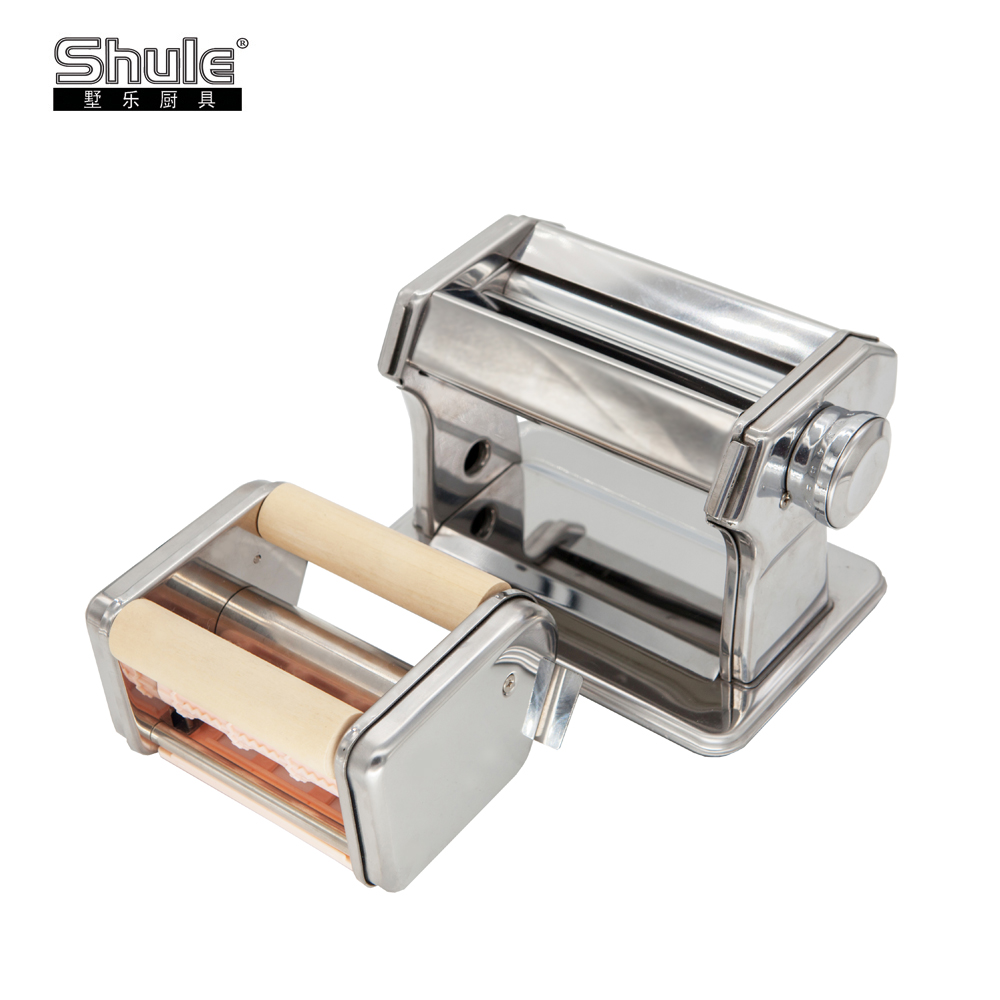
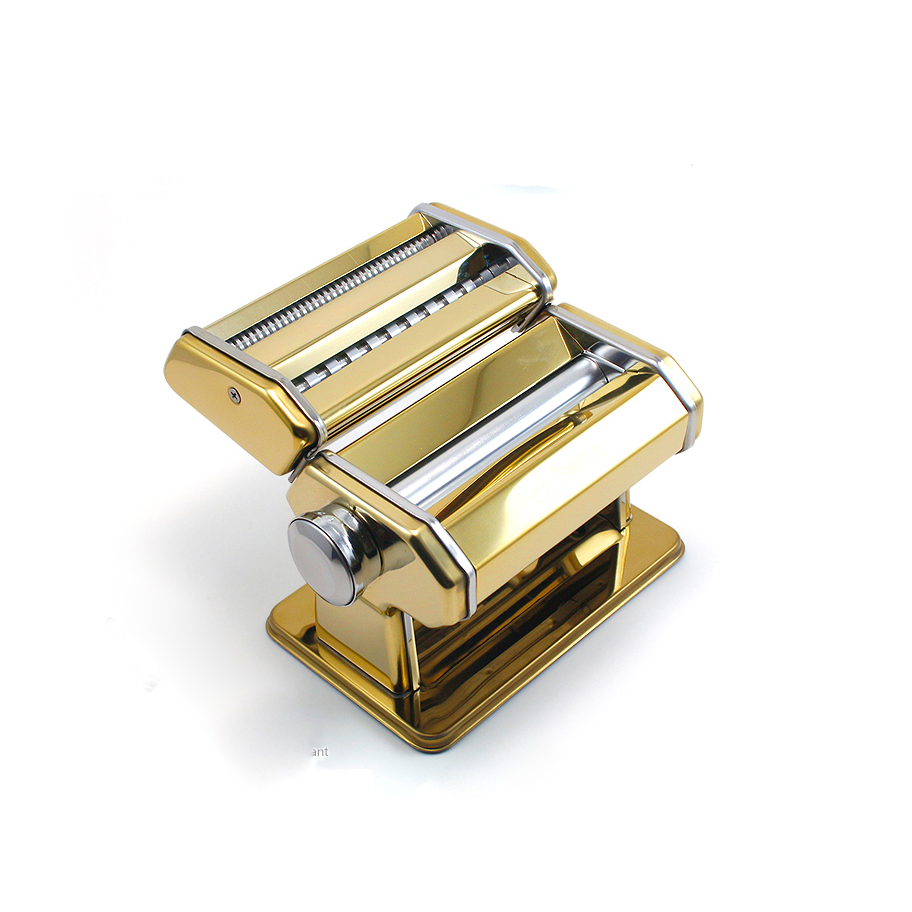
Sourcing pasta tools in bulk requires balancing mechanical precision with strict food-contact safety. Whether you are importing traditional hand-crank machines, ravioli stamps, or dough drying racks, the core challenge lies in material integrity and finishing quality. A poorly machined roller will shred dough, while subpar metal plating risks contaminating food. Navigating these risks at the factory level separates profitable, long-lasting product lines from expensive recall liabilities.
Material Selection and Food-Contact Compliance
The foundation of any high-quality pasta tool is the material used for its food-contact surfaces. Buyers must specify exact grades of metal and wood to ensure compliance with regional regulations like FDA (US) and LFGB (Europe).
| Material | Common Application | Durability & Safety Profile |
|---|---|---|
| Anodized Aluminum | Machine rollers, extruders | Lightweight, prevents heavy metal transfer to dough, requires precise anodizing. |
| 304 Stainless Steel | Cutters, premium machine bodies | Maximum rust resistance, highly durable, higher raw material cost. |
| 430 Stainless Steel | Standard machine bodies, clamps | Good durability, magnetic, slightly lower rust resistance than 304. |
| Beechwood / Rubberwood | Drying racks, stamp handles | Naturally antimicrobial, must be dried to under 12 percent moisture to prevent warping. |
When working with factories in hardware hubs like Yangjiang or Yongkang, do not assume food-grade materials are used by default. Rigorous compliance testing is essential to verify that heavy metals like lead or cadmium do not leach from zinc-alloy components or chrome plating.
Manufacturing Tolerances and Quality Control
Pasta machines and cutters rely on tight mechanical tolerances. If the gap between rollers is uneven by even a fraction of a millimeter, the dough will tear or extrude unevenly. Furthermore, the gears driving these rollers must operate smoothly without requiring non-food-safe industrial lubricants.
Need to verify a factory's machining capabilities before placing a large order? Let us evaluate their production lines.
Talk to our teamCatching defects requires comprehensive quality control and inspection during assembly, not just before shipping.
Critical QC Checks for Pasta Tools
- Roller Alignment: Measure the gap consistency across the entire width of the rollers at minimum and maximum thickness settings.
- Burr Removal: Inspect all stamped metal edges (cutters, ravioli stamps) for sharp burrs that could cause injury or trap food.
- Plating Adhesion: Perform cross-hatch adhesion tests on chrome-plated carbon steel bodies to ensure plating will not flake into food.
- Gear Lubrication: Verify that only certified food-grade grease is applied to internal mechanical gears.
- Moisture Content: Test wooden components to ensure moisture levels are low enough to prevent mold during ocean transit.
OEM and Customization Capabilities
Many brands choose to differentiate their pasta tools through custom designs, unique roller widths, or branded wooden handles. Engaging a factory for OEM/ODM services allows you to modify existing molds or create entirely new tooling for proprietary ravioli shapes or motorized attachments. When negotiating custom molds, clarify tool ownership upfront and ensure the factory has the engineering capability to maintain tight tolerances on custom extrusion dies.
Typical MOQs, Pricing, and Lead Times
Production metrics vary significantly based on the complexity of the tool. Simple ravioli stamps can be produced rapidly, while multi-setting pasta machines require extensive assembly and calibration.
Looking to consolidate multiple kitchenware SKUs into a single shipment? We can manage the sourcing and logistics.
Get a free consultationFrequently Asked Questions
Successfully importing pasta tools at scale means looking past the polished exterior to verify the engineering and material safety beneath. By setting strict material specifications and enforcing rigorous in-line inspections, you can build a reliable supply chain that protects both your margins and your brand's reputation.
Get Sourcing Help for Pasta Tools
Tell us your requirements and our experts will connect you with verified manufacturers.