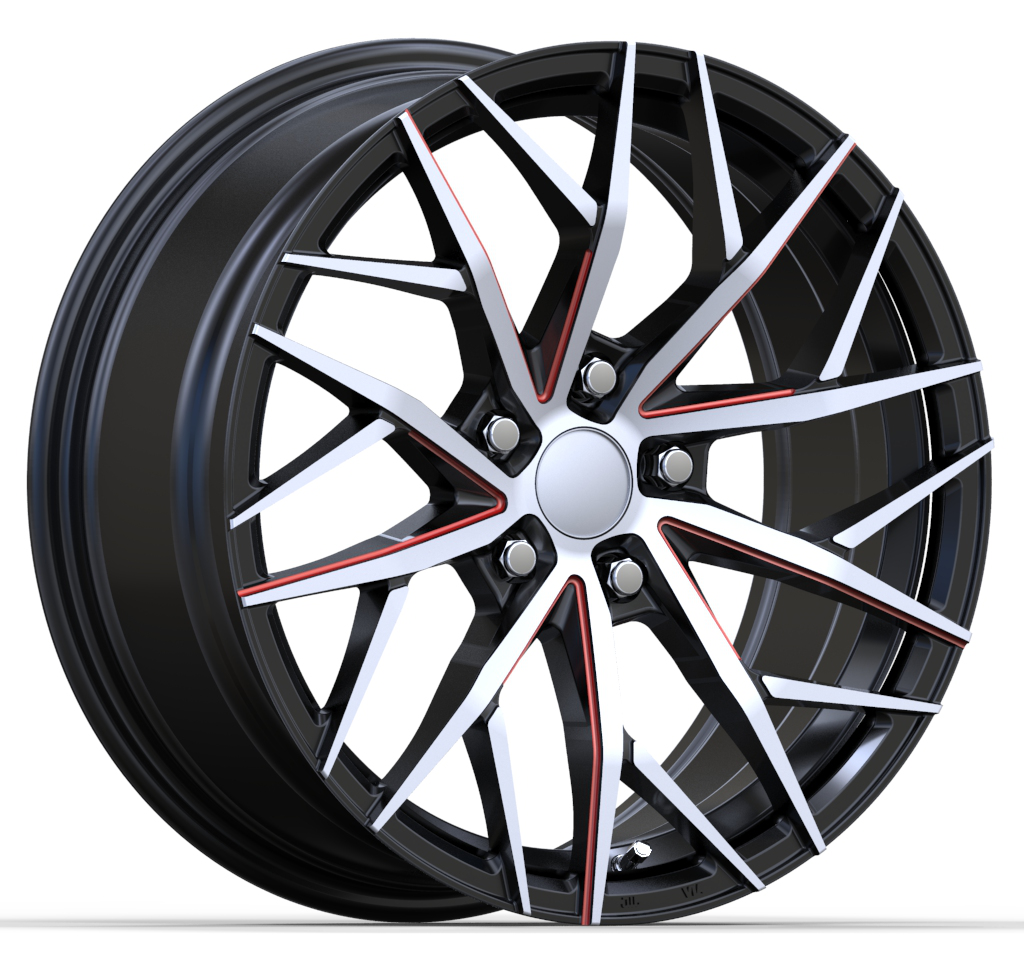
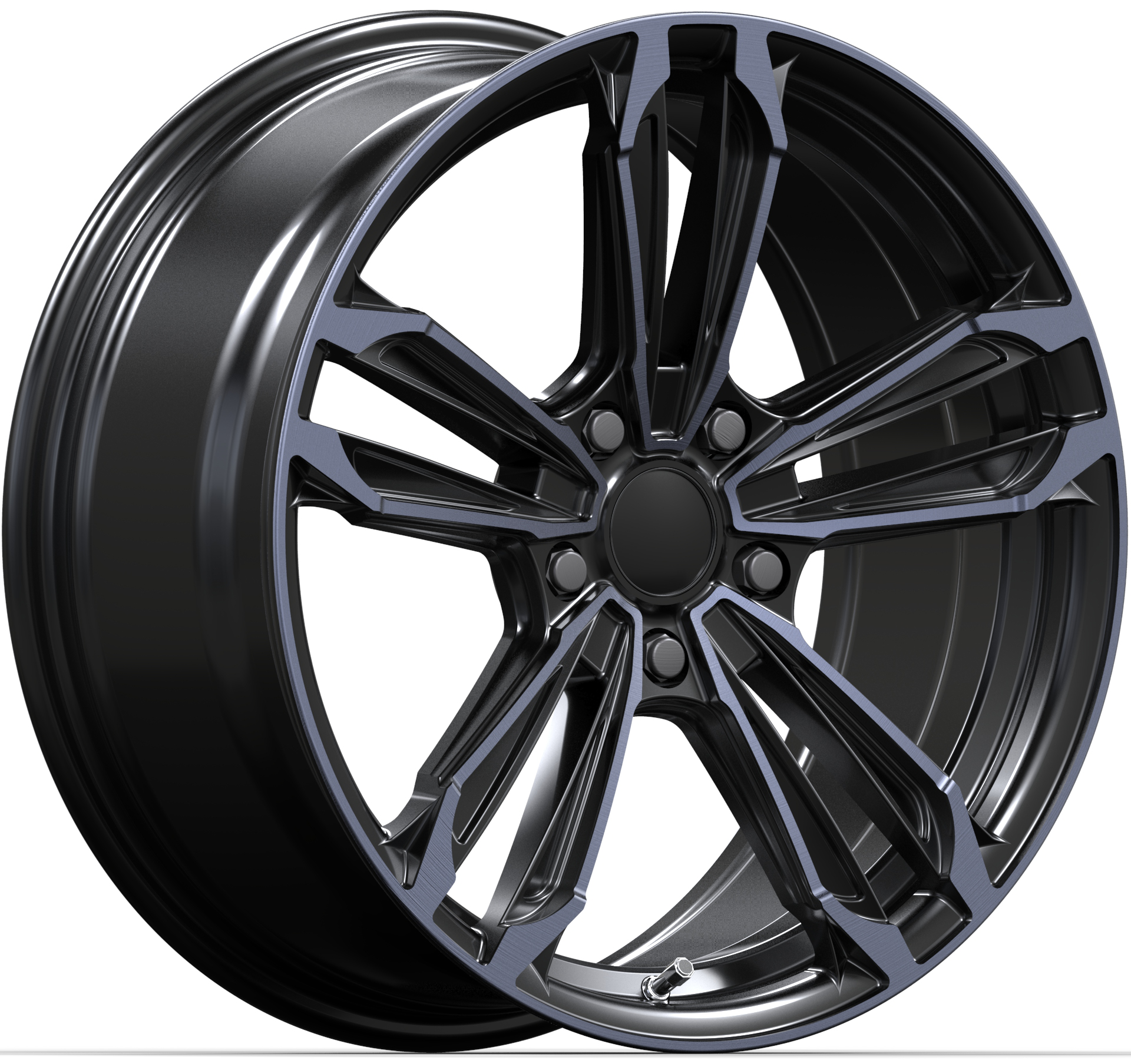
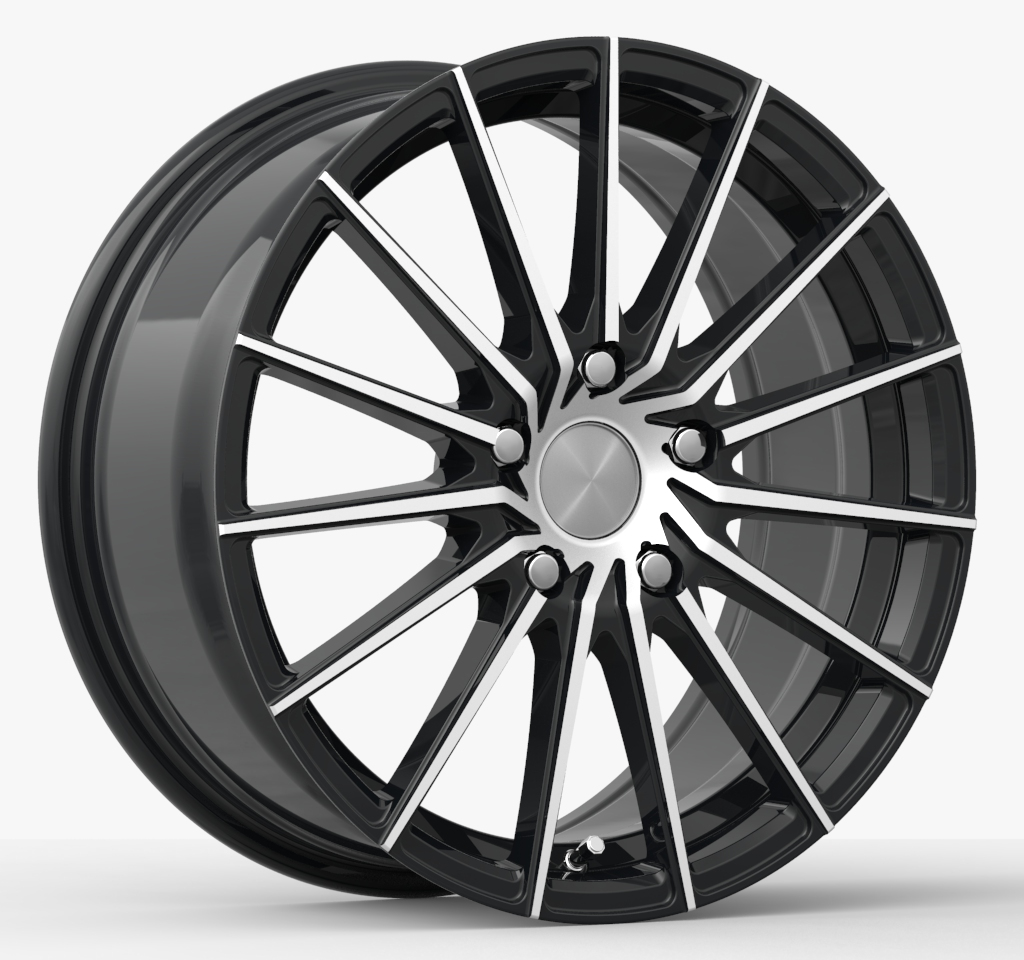
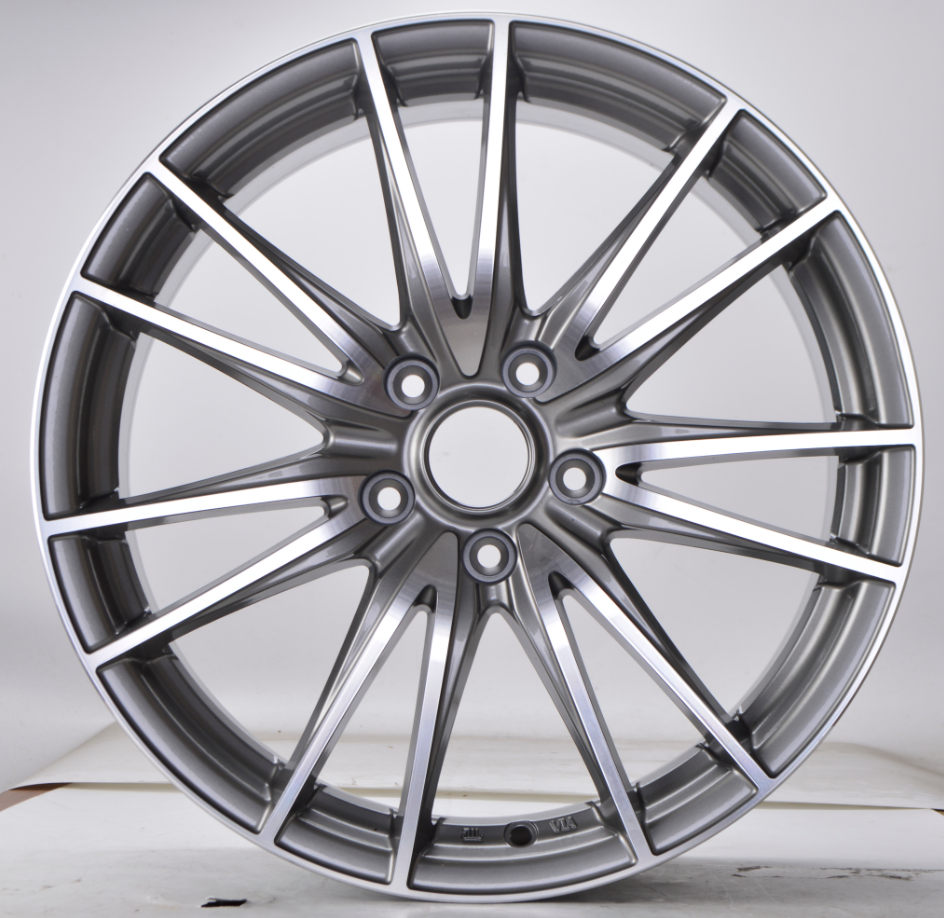
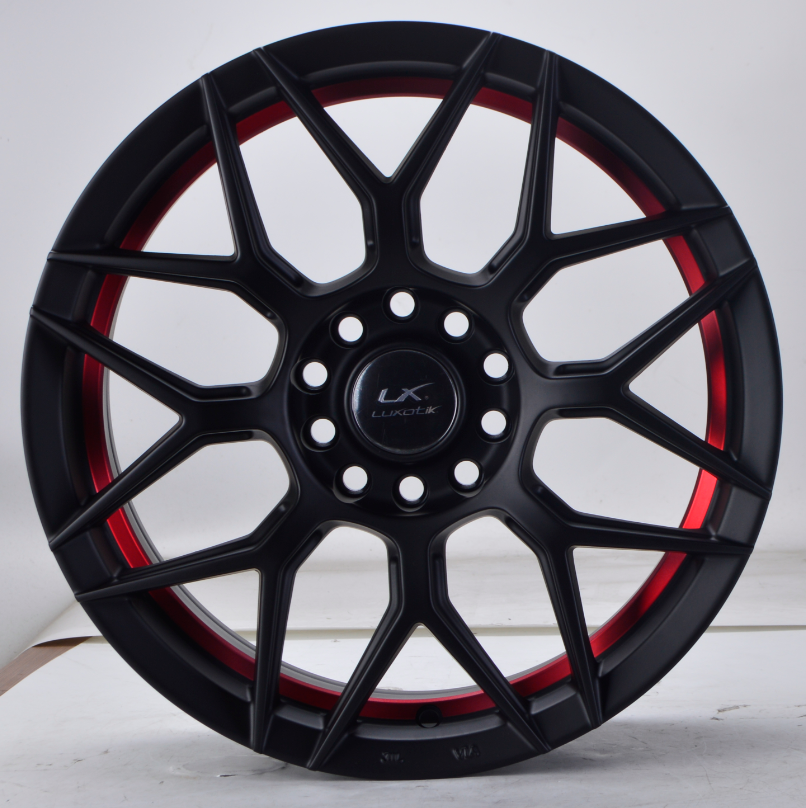
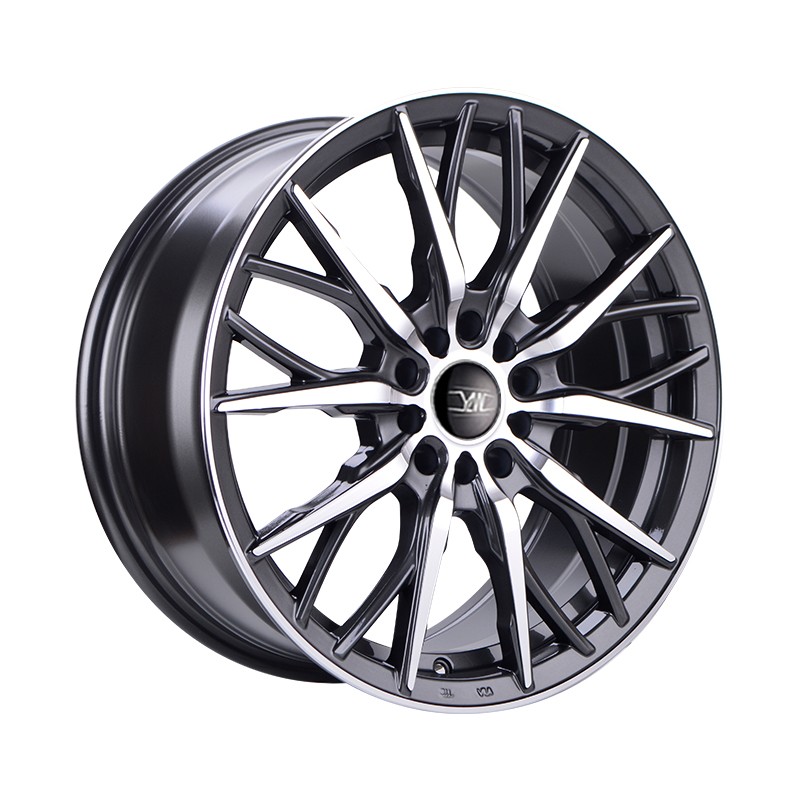
Passenger Car Wheels
Source premium Passenger Car Wheels from vetted manufacturers and suppliers across Asia. Designed for automotive parts importers, national distributors, and aftermarket brands seeking reliable OEM/private-label production, our wholesale wheel catalog offers scalable manufacturing solutions with strict quality oversight.
Sourcing passenger car wheels at scale requires a precise balance of structural integrity, unsprung weight reduction, and cosmetic durability. Whether you are expanding an aftermarket catalog or developing a proprietary wheel line, securing reliable production means navigating complex tooling requirements, stringent safety testing, and tight manufacturing tolerances.
Manufacturing Processes and Material Selection
The production method dictates your tooling investment, per-unit cost, and the final market positioning of your wheel line. Most passenger car wheels are manufactured using aluminum alloy (typically A356.2) through one of three primary methods:
- Low-Pressure Die Casting (LPDC): The industry standard for OEM and mass-market aftermarket wheels. Molten aluminum is pushed into the mold under low pressure, reducing porosity and creating a denser, stronger wheel compared to basic gravity casting.
- Flow Forming (Rotary Forging): A hybrid process where a low-pressure cast wheel is spun under high heat while steel rollers press against the barrel. This compresses the aluminum grain structure, significantly increasing barrel strength and reducing weight, bridging the gap between cast and forged wheels.
- Forging (Monoblock or Multi-piece): A solid billet of 6061-T6 aluminum is subjected to immense pressure, creating the strongest and lightest wheels. Tooling costs are minimal as designs are CNC-machined rather than cast in molds, making this ideal for premium, low-volume custom orders.
| Process | Initial Tooling Cost | Per-Unit Cost | Strength-to-Weight Ratio |
|---|---|---|---|
| Low-Pressure Cast | High | Low | Standard |
| Flow Formed | High | Medium | Excellent |
| Forged (CNC) | Low | High | Maximum |
Critical Specifications for Custom Wheel Tooling
When developing a new wheel design, factories require precise engineering parameters. Failing to specify these clearly can result in wheels that fail load tests or do not clear vehicle brake calipers.
- Pitch Circle Diameter (PCD): The diameter of the imaginary circle drawn through the center of the wheel lugs (e.g., 5x114.3, 5x120).
- Offset (ET) and Backspacing: Determines how far the wheel sits inside or outside the fender.
- Center Bore (CB): Must be machined to exact tolerances. Many aftermarket brands opt for a larger center bore (e.g., 73.1mm) and use hub-centric rings to fit various vehicles, reducing SKU counts.
- Load Rating: Passenger car wheels typically require a load rating between 500 kg and 850 kg per wheel. The factory must engineer the spoke thickness and barrel profile to meet this specific rating.
Ensure your wheel manufacturer meets international safety standards before committing to expensive tooling.
Talk to our teamQuality Control and Safety Testing
Wheels are safety-critical components. Relying solely on a factory's self-reported quality is a massive risk. Proper Quality Control & Inspection protocols must be established before mass production begins.
Essential Factory Testing Capabilities
- X-Ray Inspection: To detect internal voids, porosity, or shrinkage in cast wheels.
- Dynamic Radial Fatigue Testing: Simulates the forces of straight-line driving under heavy load.
- Cornering Fatigue Testing: Tests the structural integrity of the wheel center and spokes.
- 13-Degree Impact Testing: Simulates striking a pothole or curb to ensure the wheel bends rather than shatters.
- Runout Testing: Measures radial and lateral variance to ensure a perfectly round wheel (typically tolerance is under 0.3mm).
Certification Compliance
Depending on your target market, your wheels may need to pass specific regulatory standards such as JWL/VIA (Japan), TÜV (Europe), or DOT compliance (USA). Ensure the factory has the accredited testing equipment in-house or uses certified third-party labs.
Before opening molds, it is highly recommended to conduct thorough Factory Audits to verify the supplier's casting equipment, heat-treating facilities (T6 tempering), and historical compliance records.
Production Realities: MOQs, Lead Times, and Pricing
Scaling a wheel business requires careful cash flow and inventory management. Unlike off-the-shelf accessories, wheels involve significant upfront tooling and longer production cycles. If you are utilizing OEM/ODM Services to create proprietary designs, factor tooling development into your timeline.
Factories will often allow you to split the MOQ across different finishes (e.g., 50 pieces gloss black, 50 pieces machined face) provided you meet the overall minimum for the mold size.
Streamline your wheel supply chain from tooling development to final delivery.
Get a free consultationFrequently Asked Questions
Sourcing passenger car wheels requires a partner who understands the technical nuances of alloy casting, load engineering, and international safety compliance. By prioritizing factories with robust internal testing and enforcing strict pre-shipment inspections, you can build a resilient, profitable wheel brand.
Get Sourcing Help for Passenger Car Wheels
Tell us your requirements and our experts will connect you with verified manufacturers.