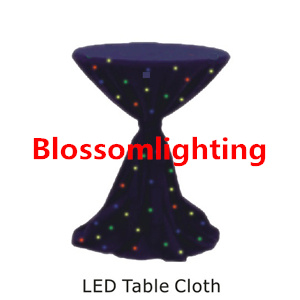
Party Tableware & Table Decorations
Source premium Party Tableware & Table Decorations from vetted manufacturers and wholesale suppliers across Asia. Built for importers, wholesale distributors, and brands seeking reliable OEM and private-label production, our network delivers compliant, high-volume party supplies ready for global markets.
Sourcing party tableware and table decorations at volume requires balancing strict food-contact safety with flawless aesthetic coordination. When producing a cohesive party line, the paper napkins, plastic cutlery, and paperboard plates must match perfectly in color and design, despite utilizing entirely different substrates, inks, and manufacturing processes. Success depends on rigorous specification management and careful supplier selection.
Material Specifications & Food-Contact Compliance
The foundation of any tableware sourcing program is material safety and structural integrity. Because these products come into direct contact with food and beverages, they are subject to heavy regulatory oversight.
Substrates and Coatings
Paper plates and cups are rarely just paper; they require a barrier coating to prevent moisture and grease from compromising the structure.
| Material Substrate | Primary Application | Key Sourcing Consideration |
|---|---|---|
| Virgin Wood Pulp (250-350 GSM) | Premium plates, cups | Requires PE or PLA coating for moisture/grease resistance. |
| Bagasse (Sugarcane) | Eco-friendly tableware | Naturally compostable, but check for PFAS-free certifications. |
| Polystyrene (PS) / Polypropylene (PP) | Cutlery, rigid cups | PS offers rigidity; PP offers flexibility and crack resistance. |
| Crystallized PLA (CPLA) | Compostable cutlery | Withstands higher temperatures than standard PLA (up to 85°C). |
Regulatory Compliance
You must specify the target market's regulatory framework before production begins. Factories must use food-grade, soy-based, or water-based inks, and the finished products must pass specific migration testing. Key standards include FDA (21 CFR) for the US market, LFGB for Germany, and the EU Framework Regulation (EC) No 1935/2004.
Relying on a factory's past test reports is risky, as ink formulations and raw material batches change. Implementing batch-specific Compliance & Testing is the only way to guarantee shipments will not be held at customs.
Navigating complex food-contact regulations across different global markets?
Talk to our teamManufacturing Tolerances and Quality Control
Producing party tableware involves high-speed automated processes: flexographic or offset printing, die-cutting, and thermoforming. Minor calibration errors on the factory floor translate to massive defect rates.
Managing Color Consistency
Achieving CMYK or Pantone color consistency across a kitted party set is notoriously difficult. A specific shade of pink will look different when printed on a highly absorbent 2-ply tissue napkin compared to a glossy PE-coated paper plate. You must require physical pre-production samples (PPS) for every substrate and establish acceptable color variance tolerances (Delta E) before mass production.
Critical Defect Checklist
When setting up your Quality Control & Inspection protocols, instruct inspectors to look for the following common manufacturing failures:
Pre-Shipment Inspection Focus Areas
- Odor testing: Checking for residual volatile organic compounds (VOCs) from improperly cured inks.
- Coating adhesion: Ensuring PE/PLA lamination does not peel or blister when exposed to hot liquids.
- Die-cut accuracy: Verifying clean edges on plates and centerpieces without hanging chads or frayed fibers.
- Colorfastness: Rub-testing dyed napkins to ensure color does not bleed onto hands or surfaces when wet.
- Registration alignment: Checking that multi-color prints align perfectly without overlapping shadows.
Kitting, Packaging, and Supply Chain Mechanics
Party tableware is rarely sold as single SKUs. Retailers and consumers expect pre-packaged kits (e.g., 24 plates, 24 cups, 48 napkins, and a table runner).
Kitting introduces a significant labor component to an otherwise automated production process. It also requires consolidating components that may be produced by different specialized sub-tier factories. A factory that excels at paper pulp molding may outsource the plastic cutlery injection molding. Managing this consolidation accurately is critical to avoiding incomplete retail sets.
Typical MOQs and Lead Times
Production minimums are largely dictated by the setup costs of printing presses and raw material master rolls.
- Standard MOQs: Expect 50,000 to 100,000 pieces per design for printed paper plates and cups. Napkins often require MOQs of 100,000+ pieces due to high-speed tissue folding machinery.
- Lead Times: Standard production runs typically take 30 to 45 days. If you are developing custom shapes or utilizing OEM/ODM Services for bespoke table centerpieces, add 15 to 20 days for tooling and mold creation.
Need to consolidate multiple tableware SKUs into precise, retail-ready kits?
Get a free consultationFrequently Asked Questions
Sourcing party tableware requires meticulous attention to material safety, cross-substrate color matching, and complex kitting operations. By establishing strict specifications and rigorous quality control protocols early in the sourcing process, buyers can secure reliable, high-volume production that meets both regulatory standards and consumer aesthetic expectations.
Get Sourcing Help for Party Tableware & Table Decorations
Tell us your requirements and our experts will connect you with verified manufacturers.