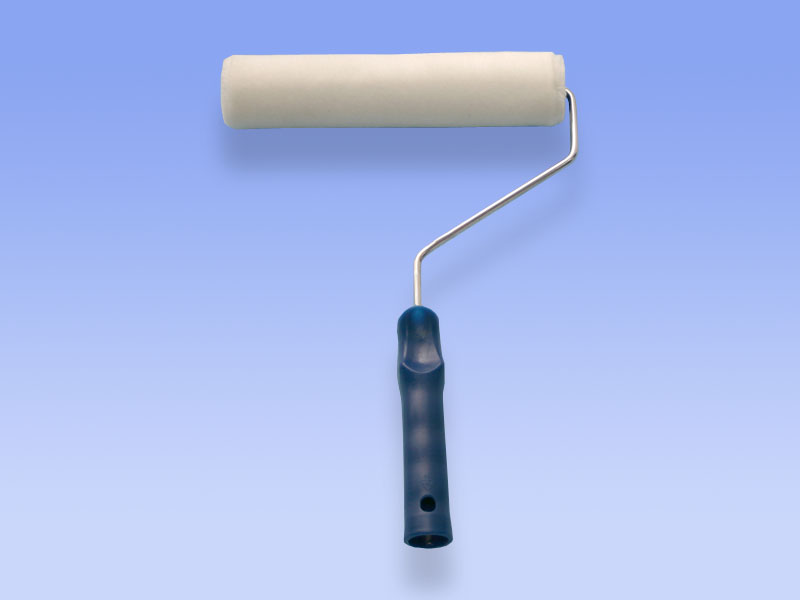
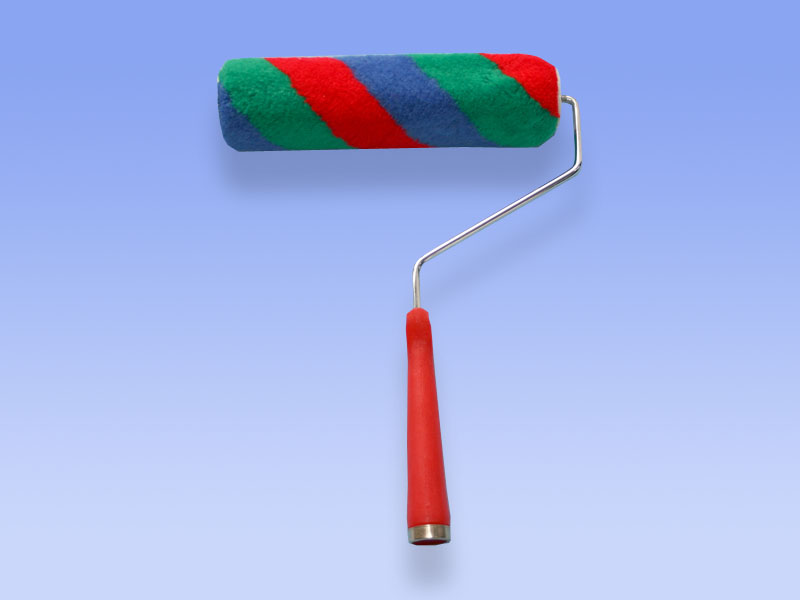
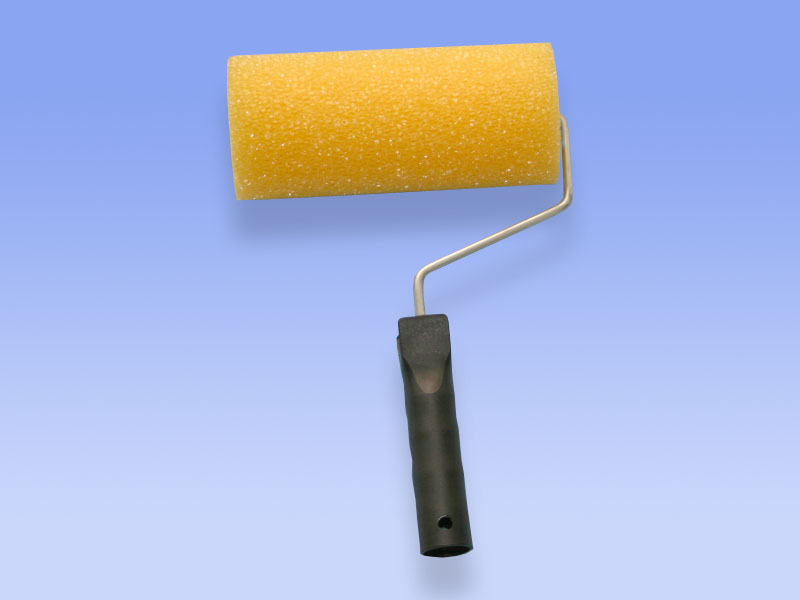
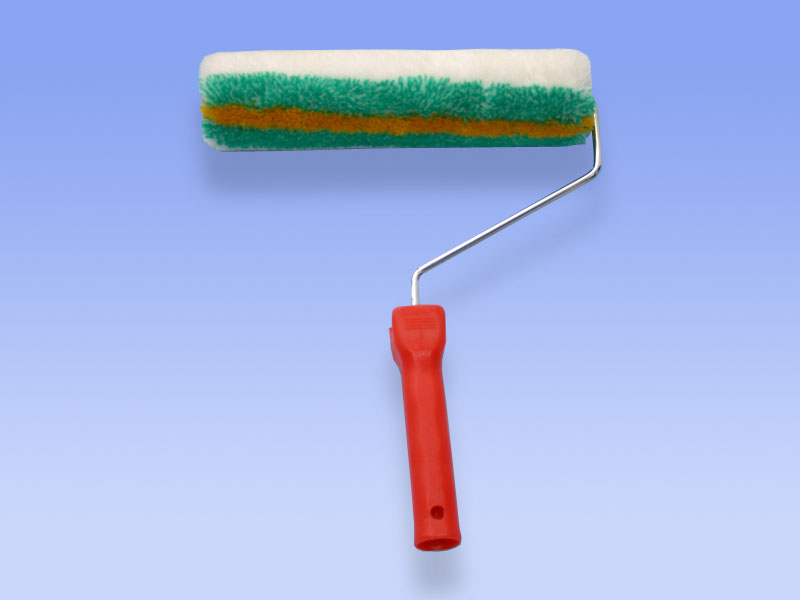
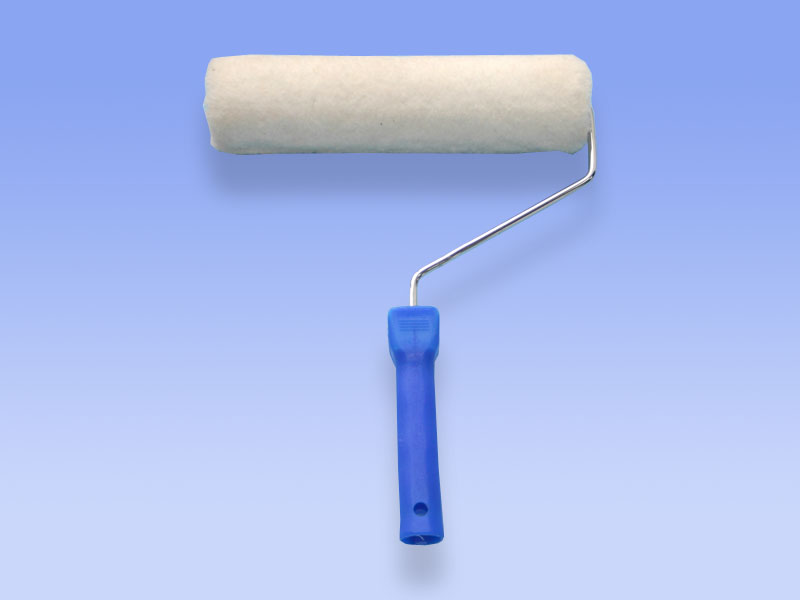
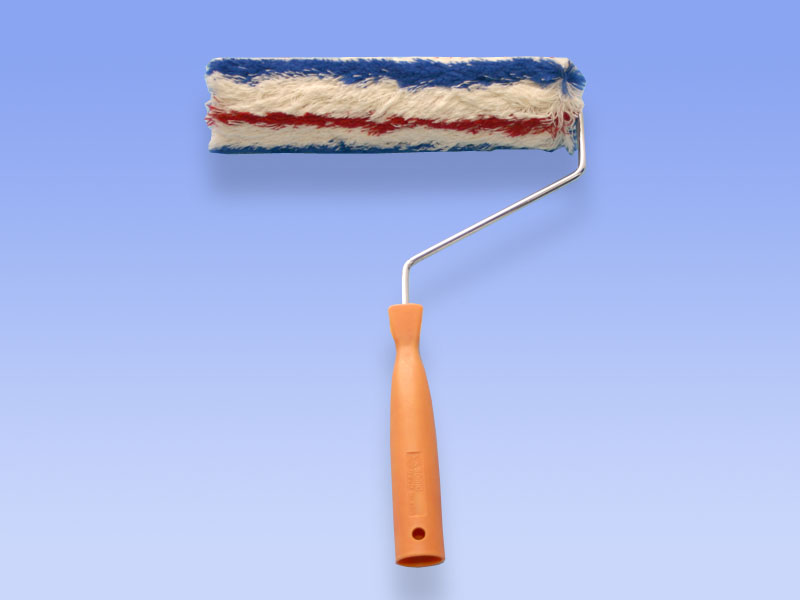
Paint Rollers & Parts
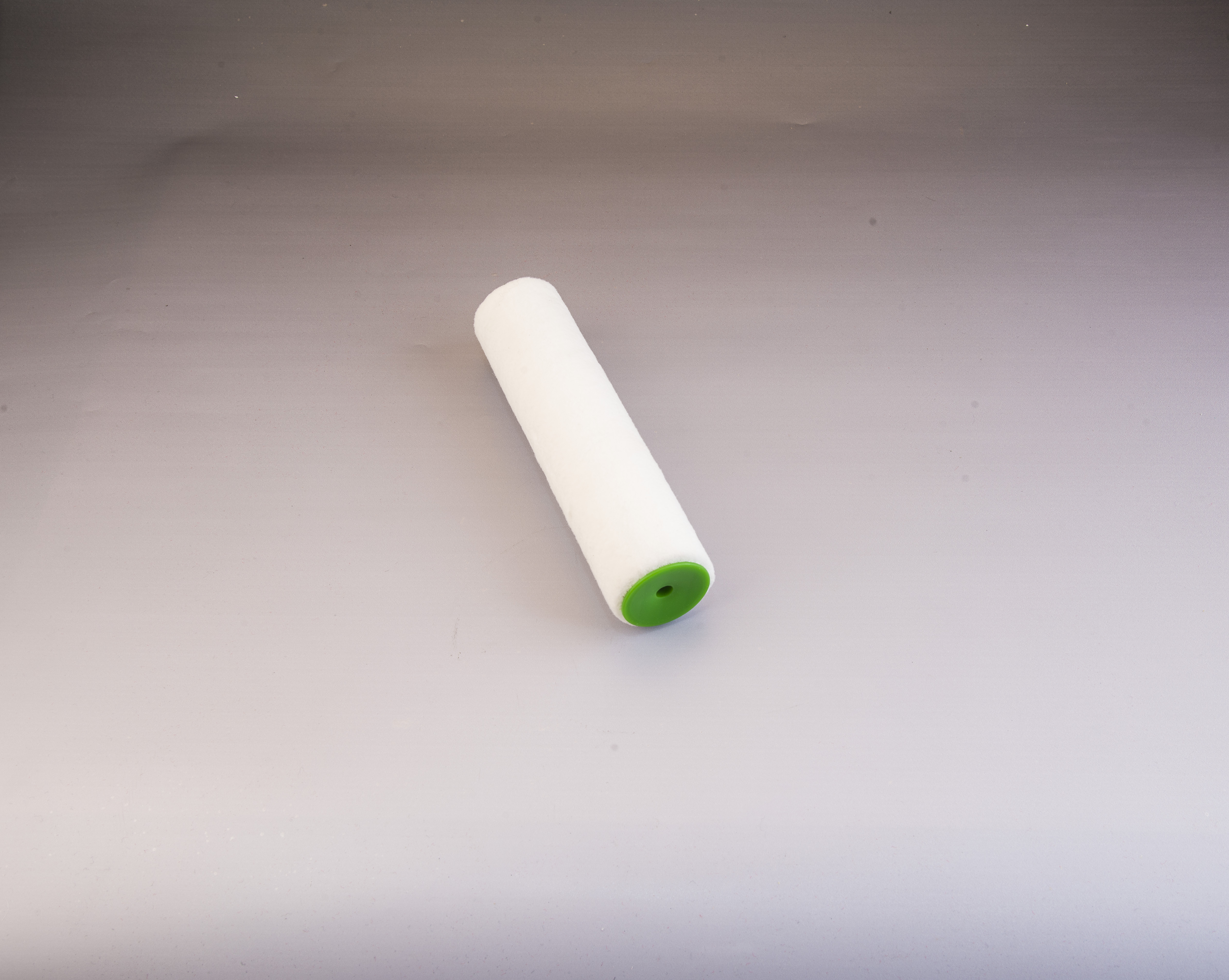
Source high-quality paint rollers and parts directly from vetted manufacturers and wholesale suppliers. Built for importers, distributors, and hardware brands, our network supports bulk procurement, OEM/private-label production, and custom component sourcing to scale your tool catalog profitably.
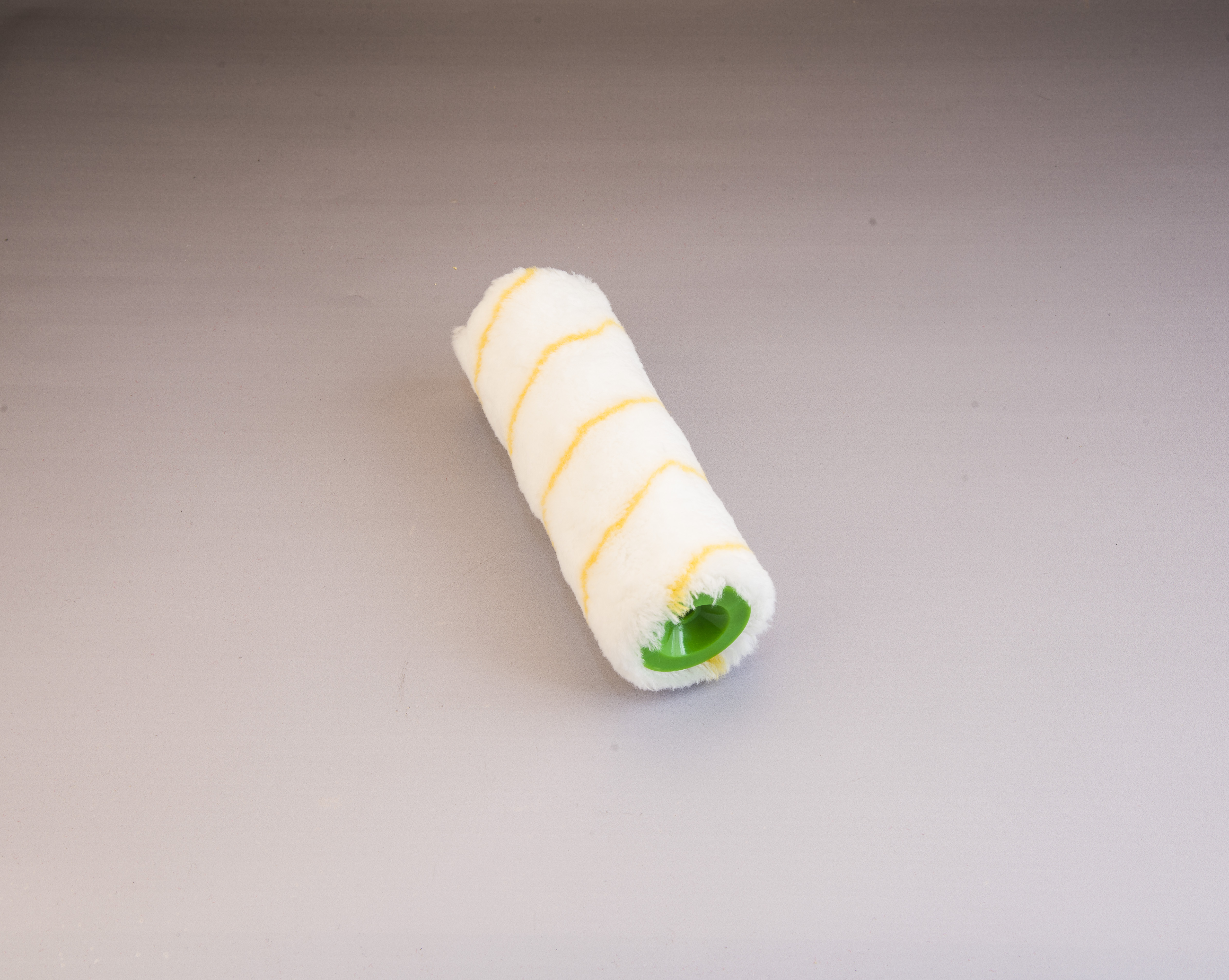
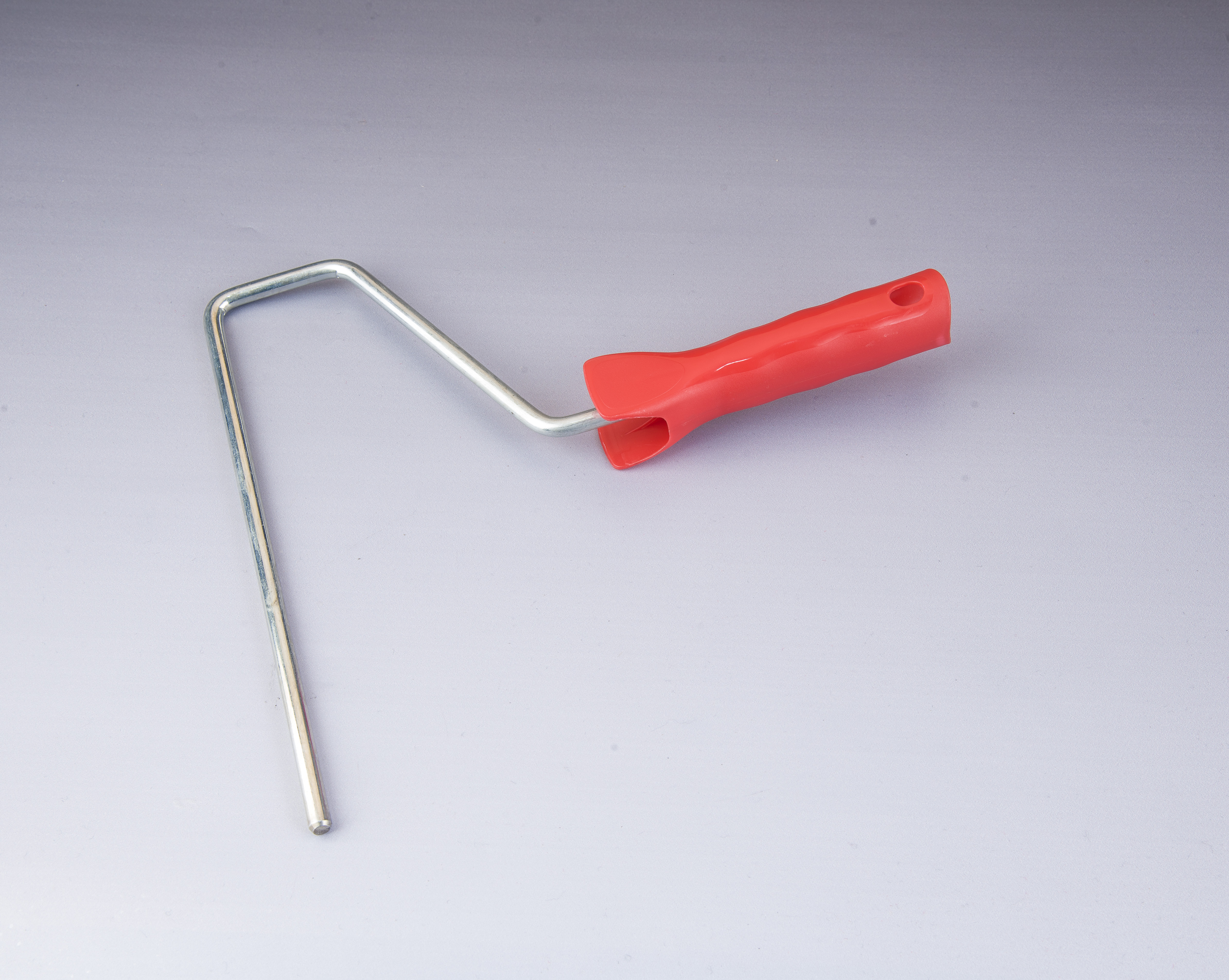
Sourcing paint rollers and their component parts—covers, frames, and extension poles—requires balancing cost-efficiency with end-user performance. For bulk buyers, the primary challenge is maintaining batch-to-batch consistency. A cheap roller cover that sheds lint or a frame that bends under pressure ruins a paint job, leading to high return rates and brand damage. Successfully importing these tools at scale requires strict specification of materials, bonding methods, and structural tolerances before production even begins.
Defining Material Specifications
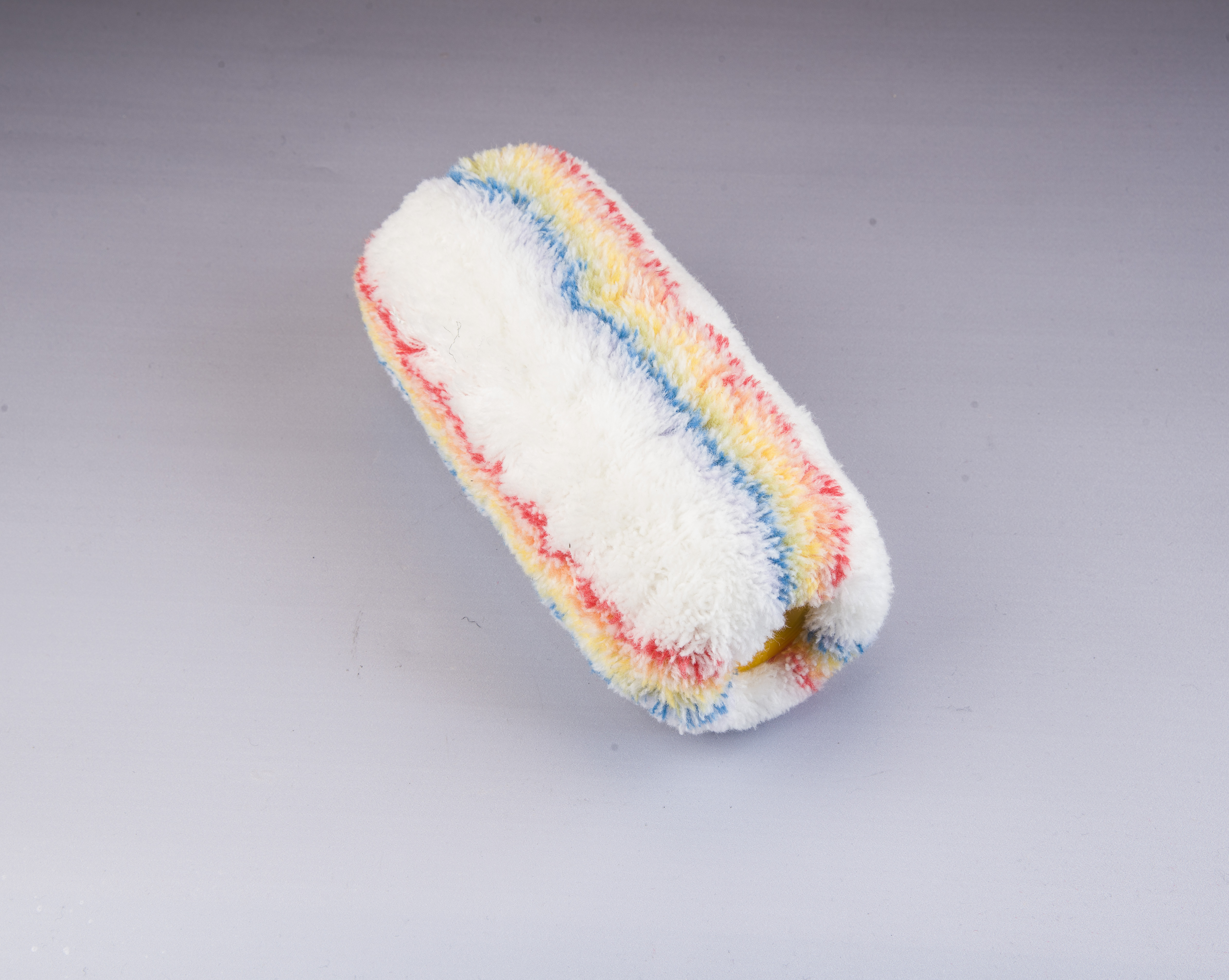
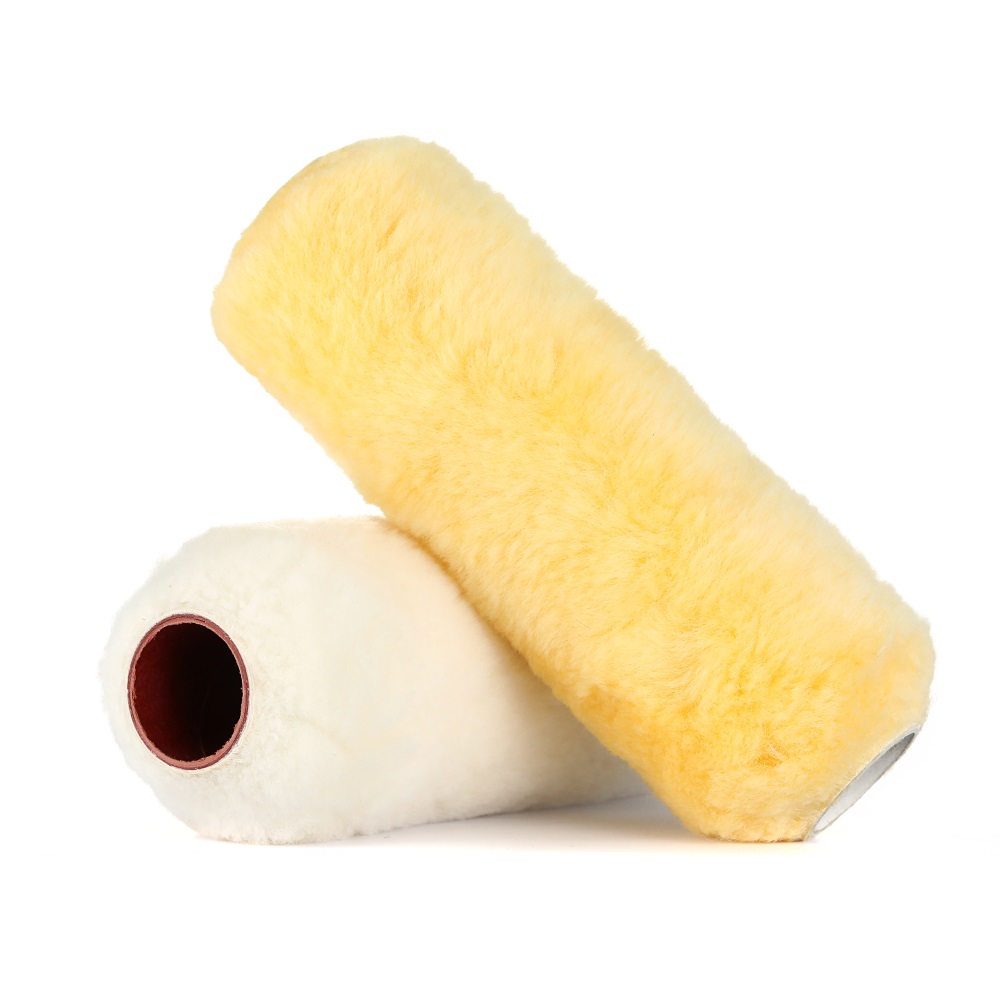
The core of any paint roller sourcing strategy lies in the fabric and the frame construction. Specifying "polyester" is not enough; buyers must define pile height (nap), fabric density, and the bonding method used to attach the fabric to the core.
| Fabric Material | Typical Application | Key Manufacturing Characteristic |
|---|---|---|
| Polyester | Economy / General purpose | Low cost, but prone to matting and shedding if not finished properly. |
| Microfiber | Smooth surfaces | High paint pickup and release; requires precise thermo-fusion to prevent core separation. |
| Polyamide (Nylon) | Rough surfaces / Heavy duty | High durability and solvent resistance; excellent for epoxies and masonry. |
| Woven Wool / Mohair | Gloss paints / Varnishes | Naturally lint-free if woven correctly; higher raw material cost. |
Core and Bonding Mechanics
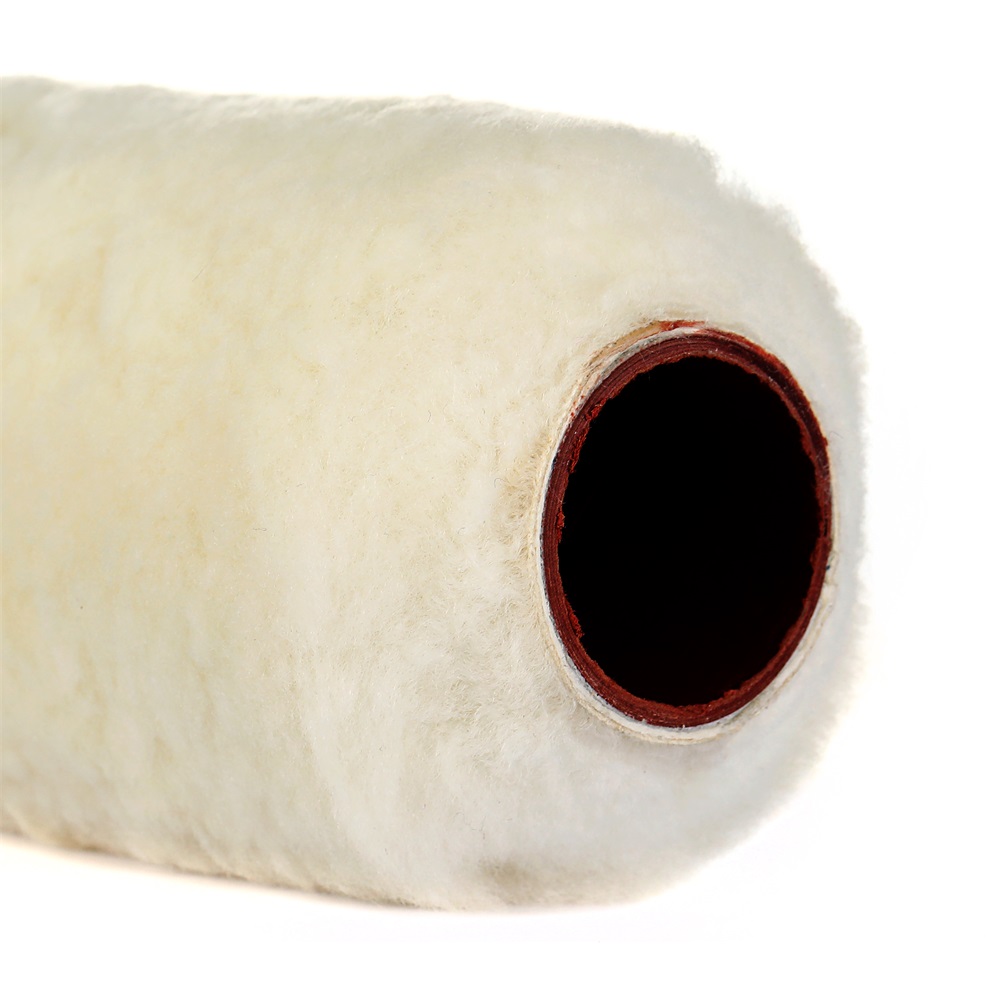
Professional-grade roller covers utilize thermo-fusion, where the fabric is melted directly into a polypropylene (PP) core. Economy rollers often use PVC cores with adhesive glue, which can dissolve when exposed to heavy solvents, causing the fabric to unwrap. Always specify thermo-fused PP cores for any product targeting professional painters or high-end DIY markets.
Struggling with inconsistent roller cover quality or high defect rates? Let us help you establish strict material specifications with proven manufacturers.
Talk to our teamManufacturing Quality Control
Quality is won or lost on the factory floor. When vetting suppliers or conducting Factory Audits, you must evaluate their fabric finishing processes and metalworking capabilities.
Shedding (linting) is the most common defect in paint rollers. This occurs when manufacturers skip the combing and vacuuming stages of fabric finishing. Additionally, frames must be built to withstand sustained pressure without bending.
Critical Quality Control Checks for Paint Rollers
- Fabric Pull Test: Ensure fibers do not easily detach from the thermo-fused core.
- Core Crush Resistance: The PP or PVC core must withstand heavy grip pressure without cracking.
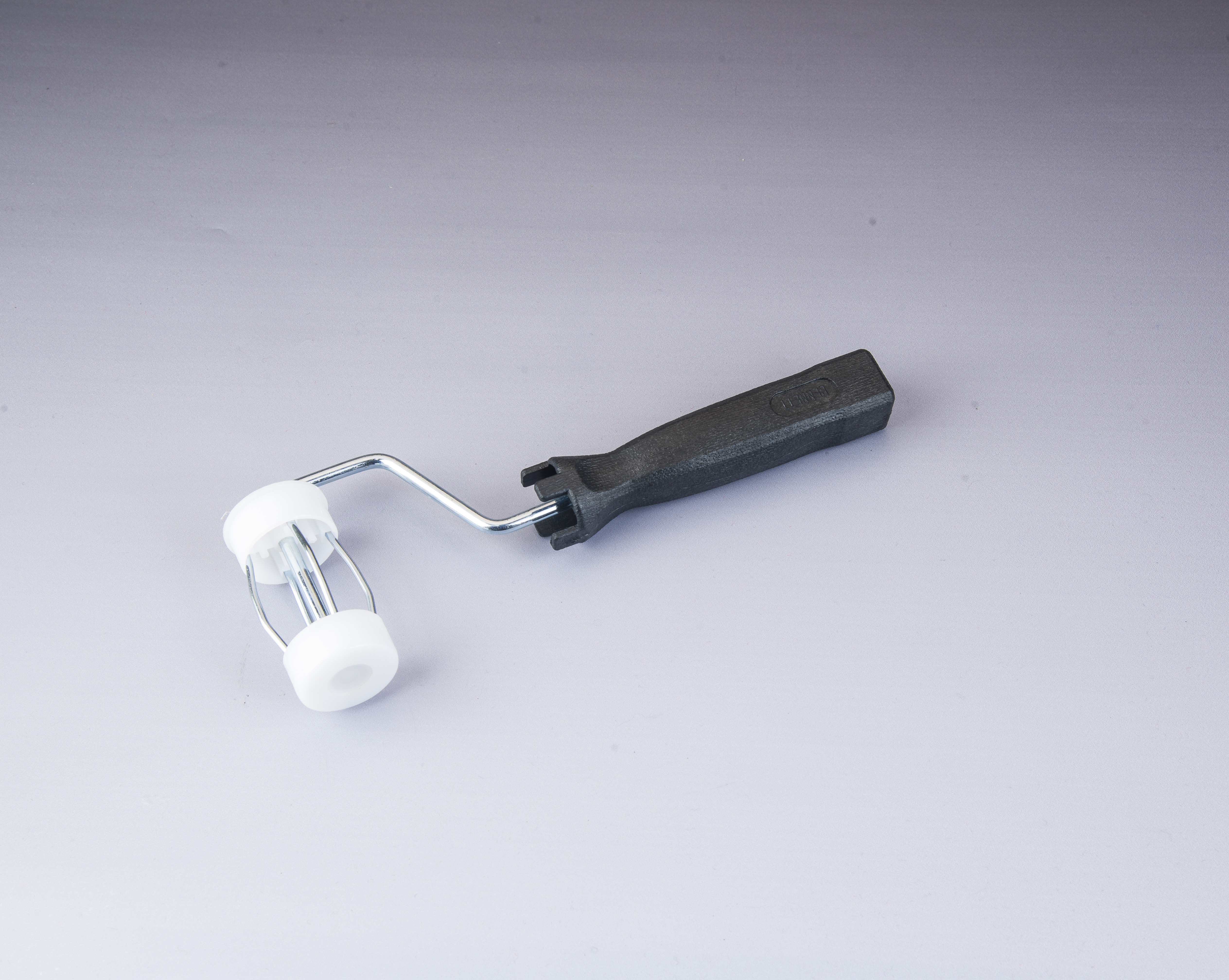
- Frame Wire Gauge: Standard professional frames use a 5-wire cage; economy frames use 4-wire.
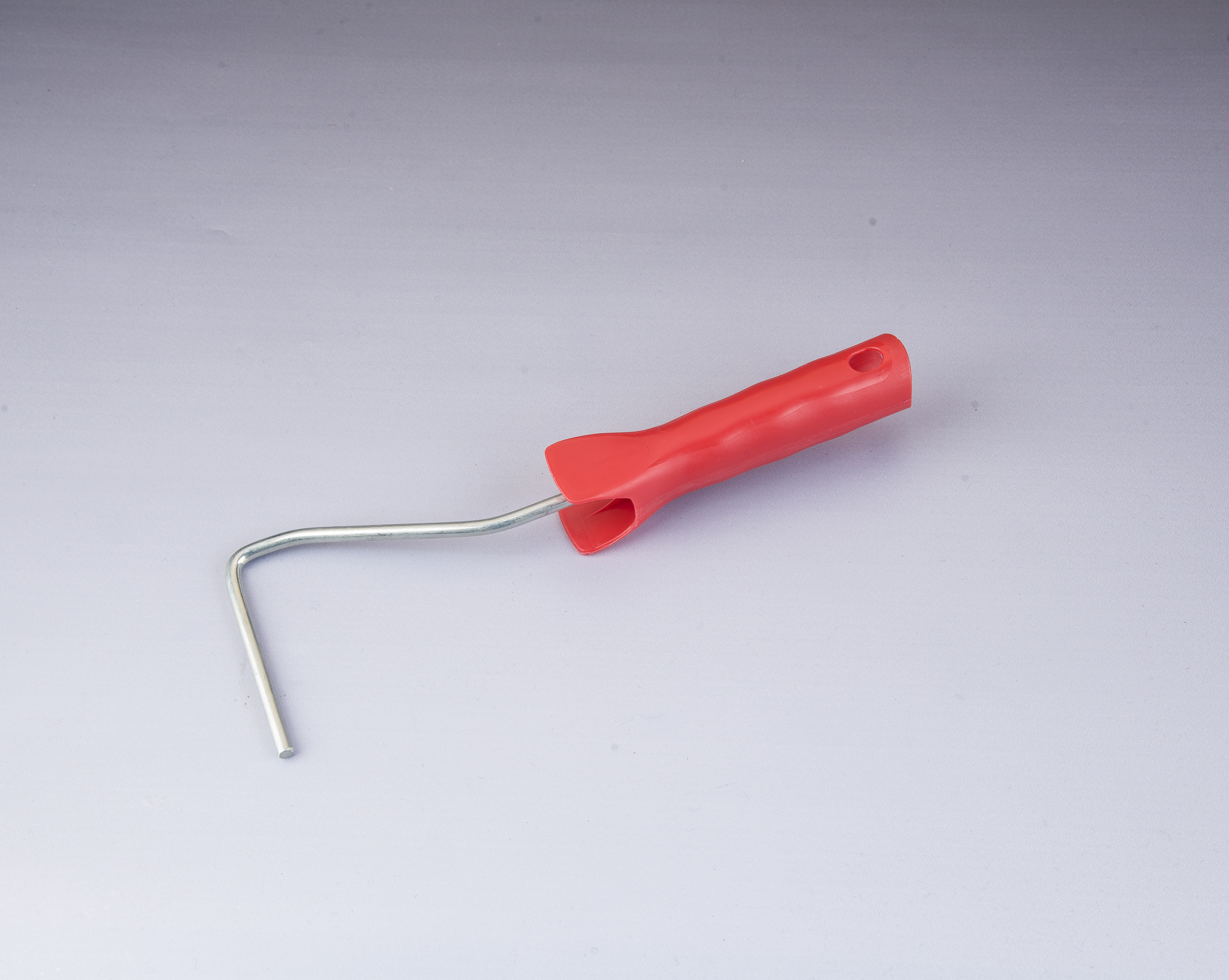
- Shank Thickness: Specify an 8mm shank for heavy-duty frames to prevent bending (economy is often 6mm).
- Plating Quality: Chrome plating offers superior rust resistance compared to standard zinc washing.
Implementing rigorous Quality Control & Inspection protocols before shipment is essential to catch poorly bonded cores, rusted frames, or shedding fabrics before they reach your warehouse.
OEM Customization and Private Labeling
Paint tools offer excellent opportunities for brand differentiation. Through OEM/ODM Services, brands can customize various components to stand out in a crowded hardware market.
Customization typically focuses on the handle ergonomics and branding. TPR (Thermoplastic Rubber) over-molded handles can be cast in custom brand colors with embossed logos. You can also specify unique fabric blends, custom pile heights (such as 3/8-inch or 1/2-inch naps), and branded retail packaging like printed polybags or structural blister packs.
Pricing, MOQs, and Lead Times
China remains the dominant manufacturing hub for paint rollers, with heavy concentrations of specialized factories in Zhejiang and Jiangsu provinces. Pricing is highly dependent on raw material costs (plastics, steel, and synthetic fabrics) and the level of finishing required.
Keep in mind that consolidating different components (frames, covers, trays) often means coordinating between multiple specialized sub-factories, as few manufacturers produce all parts under one roof.
Need reliable pricing and lead times for your next bulk order of paint tools? Connect with our sourcing experts.
Get a free consultationFrequently Asked Questions
Sourcing paint rollers in volume is about defining exact structural and material tolerances rather than buying blindly off the shelf. By controlling the specifications—from shank thickness to fabric bonding methods—you ensure a consistent, high-performing product that professionals and DIYers will trust.
Get Sourcing Help for Paint Rollers & Parts
Tell us your requirements and our experts will connect you with verified manufacturers.